| Quantity: | |
|---|---|


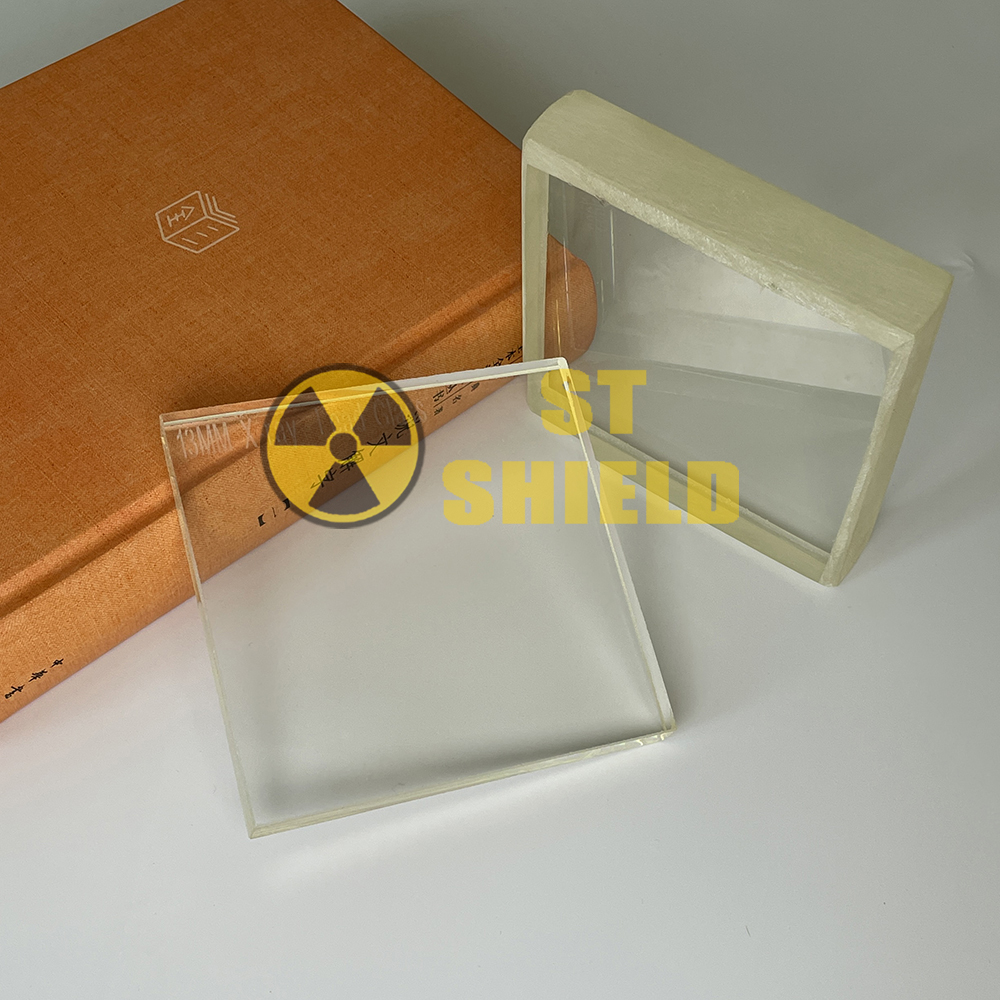
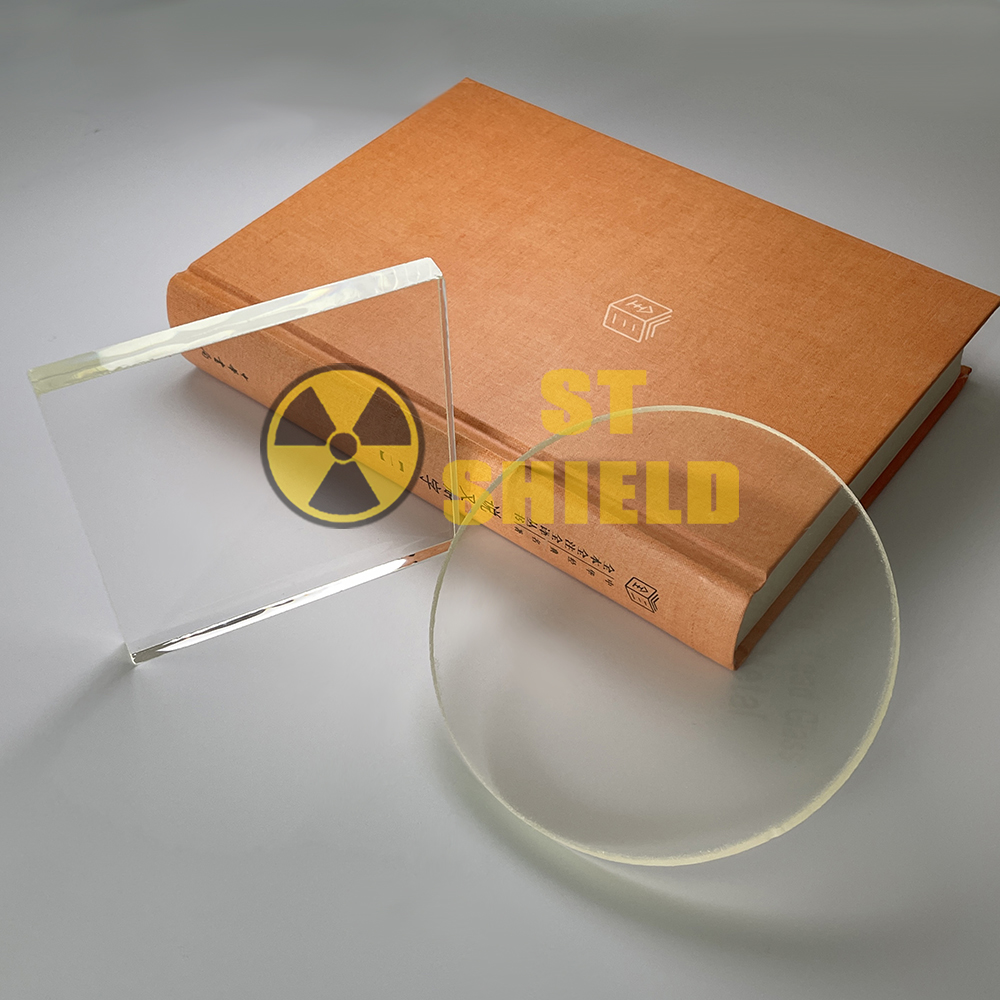
10mm-30mm Lead glass (also known as radiation-proof lead glass or X-ray protective glass) is a type of lead-containing optical glass primarily used for observation windows in medical radiology departments, nuclear medicine, and industrial flaw detection, achieving the dual functions of "light transmission observation" and "radiation protection.".
Lead Glass
Lead Glass
The lead equivalent (mmPb) of lead glass is the core indicator for measuring its radiation shielding ability, indicating how many millimeters of pure lead plate the thickness of glass is equivalent to in terms of protective effect.
| Recommended Thickness | Lead equivalent (approximately) | Applicable scenarios |
|---|---|---|
| 10mm | 2.0 mmPb | Ordinary dental X-ray room, low-dose radiation equipment |
| 12mm | 2.5 mmPb | General hospital X-ray room, DR room |
| 15mm | 3.0 mmPb | CT room, dental hospital |
| 18mm | 4.0 mmPb | CT room, nuclear medicine operation room |
| 20mm | 4.5 mmPb | High dose CT and DSA machine room |
| 25mm | 5.0 mmPb | Nuclear medicine, linear accelerator |
| 30mm | 6.0 mmPb | Nuclear medicine ward, high-energy gamma ray protection |
Final glass thickness and lead equivalent should be determined according to the radiation source, equipment output, room layout, distance and local radiation shielding requirements.
1.Lead glass is a brittle material with a high density (about 1.5-2 times that of ordinary glass), and special attention should be paid to its construction and daily maintenance:
2. Handle with care: Professional suction cups or soft cushions should be used for support during transportation to avoid collisions
3. Installation and sealing: The glass must overlap and overlap with the wall protective material (lead plate/barium sulfate) by ≥ 30mm around the edges to prevent radiation leakage at the joint
4. Avoid acid and alkali: Lead glass is prone to acid and alkali pollution. When installing, the sealant should not contain acidic substances such as acetic acid and ammonia water, and should not be stored in acidic or humid environments
5. Scratch protection: The surface hardness is low, and sharp objects should be avoided from touching during construction. It can be treated with scratch resistance
6. Avoid the main radiation: The installation position should avoid the direction of the main X-ray and be convenient for observing the status of the examinee and the opening and closing of the protective door
7. Cleaning and maintenance: Use water, mild cleaning agents, and a soft cloth to wipe, avoiding the use of corrosive cleaning agents

Lead Glass
Lead Glass
Can we customize irregular lead glass?
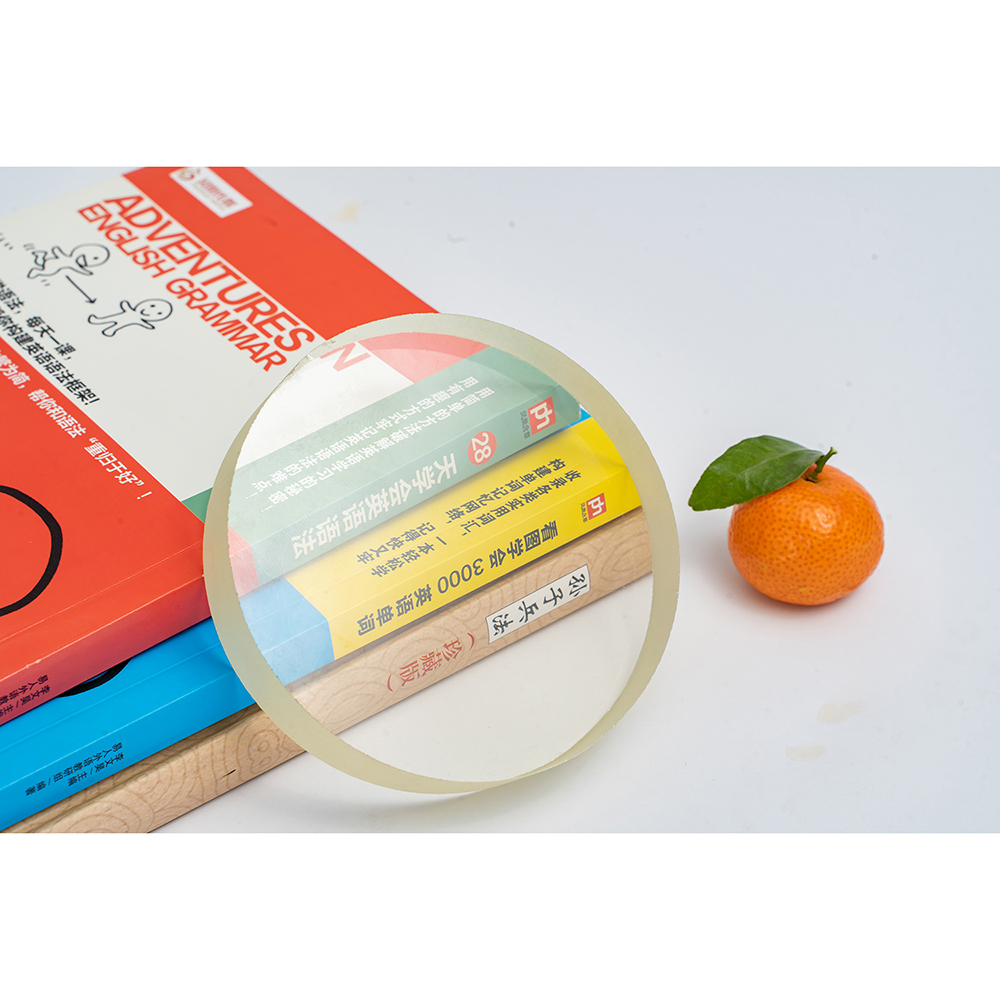
Okay. Support customization of special specifications such as circular, perforated, notched, curved, etc. according to drawings, but the customization cycle is relatively long (usually 15-20 working days), and irregular processing will increase costs.
Can lead glass be directly installed on ordinary window frames?
No. Lead lined frames (with lead equivalent matching glass) must be used to ensure that the frames can also shield radiation. Ordinary aluminum alloy or wooden window frames cannot block radiation leakage from the frame.
Does lead glass need regular maintenance?
Lead glass itself has stable chemical properties and does not require frequent maintenance, but it is recommended to conduct a protective performance retest once a year to check whether the sealing strip is aging and whether the frame is loose.
How to clean lead glass?
Wipe with clean water, mild detergent, and a soft cloth. Do not use cleaning agents containing abrasives or strong acids or alkalis to avoid scratching or corroding the surface.
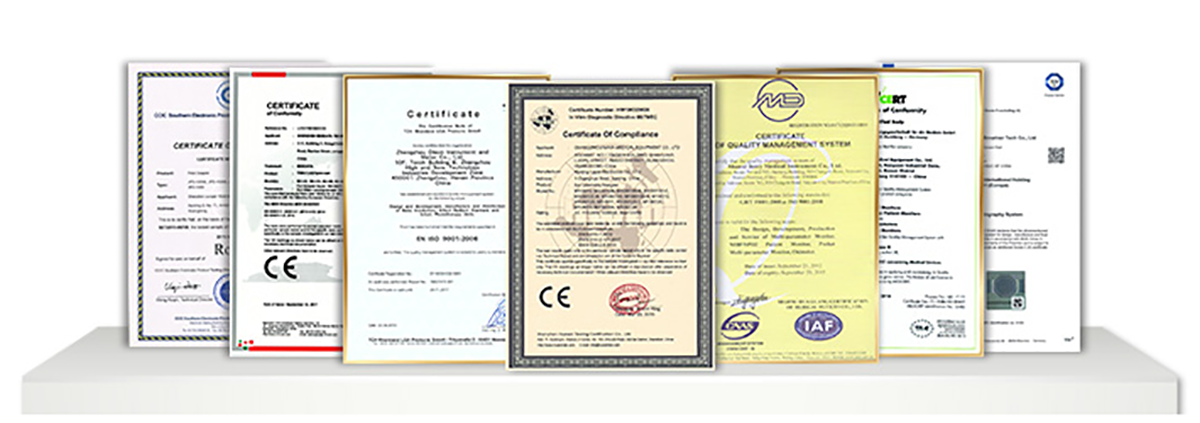
Material certification: Provide chemical composition and lead equivalent testing reports for each batch
Optical testing: transmittance, refractive index, bubble/stripe level testing
Shielding Verification: Third Party Institution X-ray Shielding Rate Test Report
Certification system: CE, ISO, SGS certification (optional)