





| Quantity: | |
|---|---|


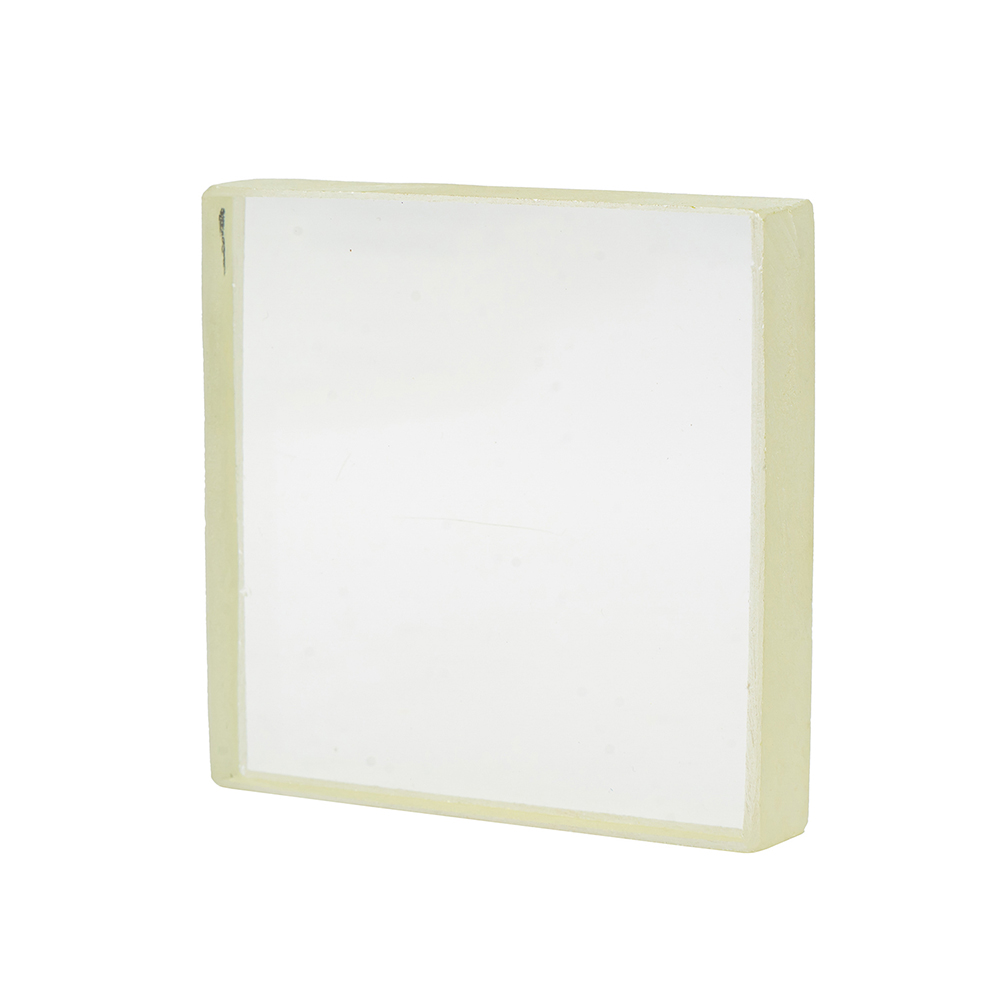
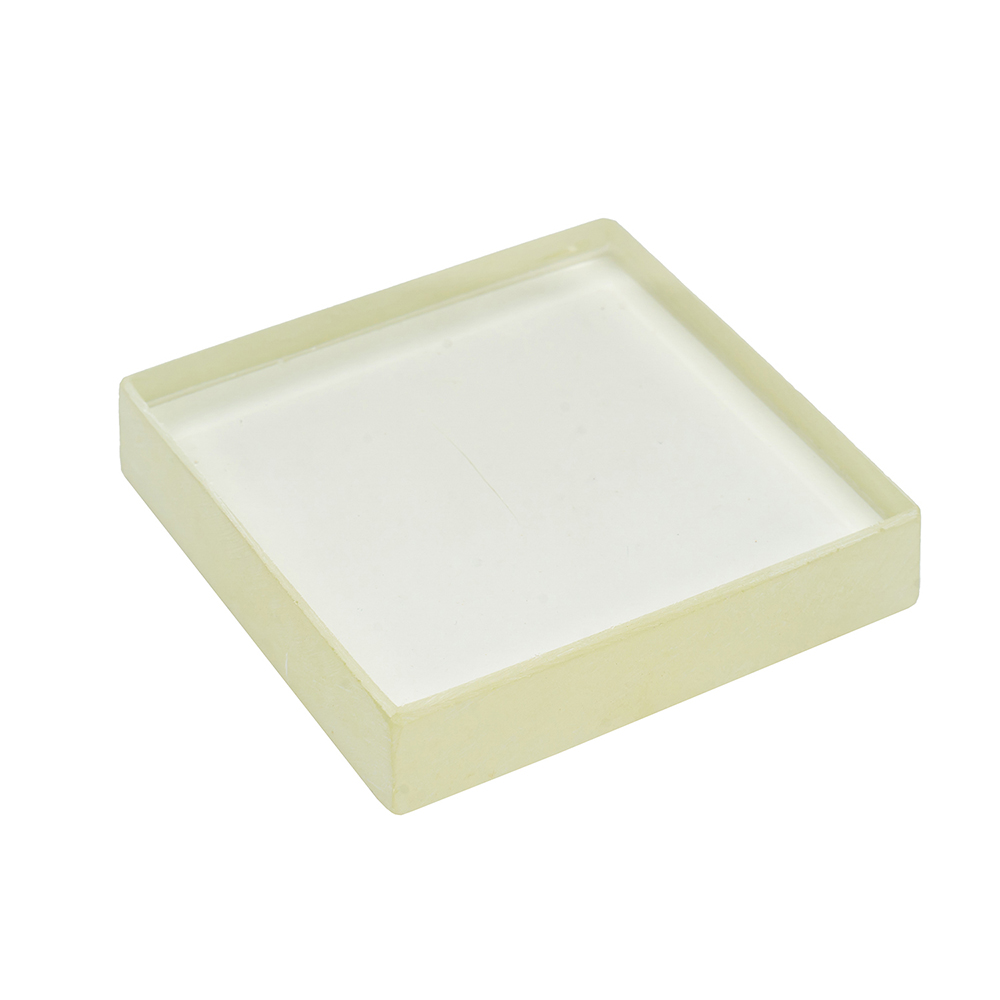
Lead Glass (ZF2 & ZF3 models) is a specialized protective material engineered to block X-rays and gamma rays while maintaining exceptional optical clarity. Designed with 99.994% pure lead ingots integrated into a high-density glass matrix, these models deliver reliable radiation attenuation without compromising visibility—a critical requirement for medical, research, and industrial settings. With a transparency rate of 95%, ZF2 and ZF3 lead glass ensures clear, distortion-free observation during procedures, making it an essential component for X-ray rooms, CT suites, operating rooms, and laboratory observation windows. It combines durability, compliance, and functionality to meet the strictest safety standards.
Parameter | ZF2 Lead Glass | ZF3 Lead Glass |
Refractive Index | 1.6725 | 1.7172 |
Density | 4.2 G/cm³ | 4.46 G/cm³ |
Lead Equivalent | 0.21mmpb | 0.24mmpb |
SiO₂ Content | 39.1% | 33.88% |
Pb₃O₄ Content | 55.41% | 61.05% |
Other Components | 5.49% | 5.07% |
Transparency | 95% | 95% |
Thickness Range | 5mm - 150mm | 5mm - 150mm |
Customization | Custom-cut to fit standard and non-standard window openings | Custom-cut to fit standard and non-standard window openings |
At 95% transparency, ZF2 and ZF3 lead glass provides unobstructed visibility, allowing medical staff to monitor patients during X-ray/CT procedures or researchers to observe experiments without visual interference. This clarity eliminates the trade-off between protection and observation quality.
The high Pb₃O₄ content (55.41% for ZF2, 61.05% for ZF3) and pure lead core (99.994%) ensure effective attenuation of ionizing radiation. ZF3 offers a slightly higher lead equivalent (0.24mmpb) for enhanced protection in moderate-radiation environments, while ZF2 balances shielding and versatility for general use.
Manufactured with a robust glass matrix, the lead glass resists impact, temperature fluctuations, and chemical exposure. It maintains structural integrity even in high-traffic clinical or industrial settings, reducing the risk of cracks or degradation that could compromise shielding.
Available in thicknesses from 5mm to 150mm and customizable cuts, it fits a wide range of window openings—from small dental X-ray room ports to large interventional suite panels. It is compatible with standard window frames and installation hardware, simplifying retrofits and new constructions.
X-ray Rooms & CT Suites: Used as observation windows and protective door panels to shield staff and waiting areas from scattered radiation.
Operating Rooms: Integrated into walls or doors for intraoperative radiation procedures (e.g., fluoroscopy-guided surgeries) to protect the surgical team.
Nuclear Medicine Departments: Installed in ECT rooms, PET-CT suites, and diagnostic labs to shield personnel from radiation emitted by equipment or tracers.
Dental Clinics: Small observation windows in X-ray rooms to protect dentists and assistants during patient scans.
Scientific Laboratories: Observation windows in accelerator facilities, nuclear reactor control rooms, and radiation research labs to ensure researcher safety.
Industrial Non-Destructive Testing: Protective windows for radiographic testing equipment, preventing radiation leakage during component inspections (aerospace, automotive, construction).
Nuclear Power Plants: Shielding for control rooms and inspection areas to protect workers from ionizing radiation.
Annual professional inspections are recommended to check for cracks, thinning, or degradation. Monthly visual checks and gentle palpation can detect surface damage (chips, small cracks) between professional audits. High-traffic or high-radiation environments may require semi-annual professional inspections. Damaged glass must be replaced immediately, as even small cracks can allow radiation leakage.
Installation must be performed by trained professionals to avoid stress or damage. The glass should be supported evenly to prevent bending—never rest it on uneven surfaces. Use non-abrasive, corrosion-resistant hardware to secure the glass without applying pressure. Ensure the window frame is level and stable, and seal gaps around the edges with radiation-proof caulk to prevent leakage. Avoid contact with sharp objects during installation or cleaning.


