





| Quantity: | |
|---|---|


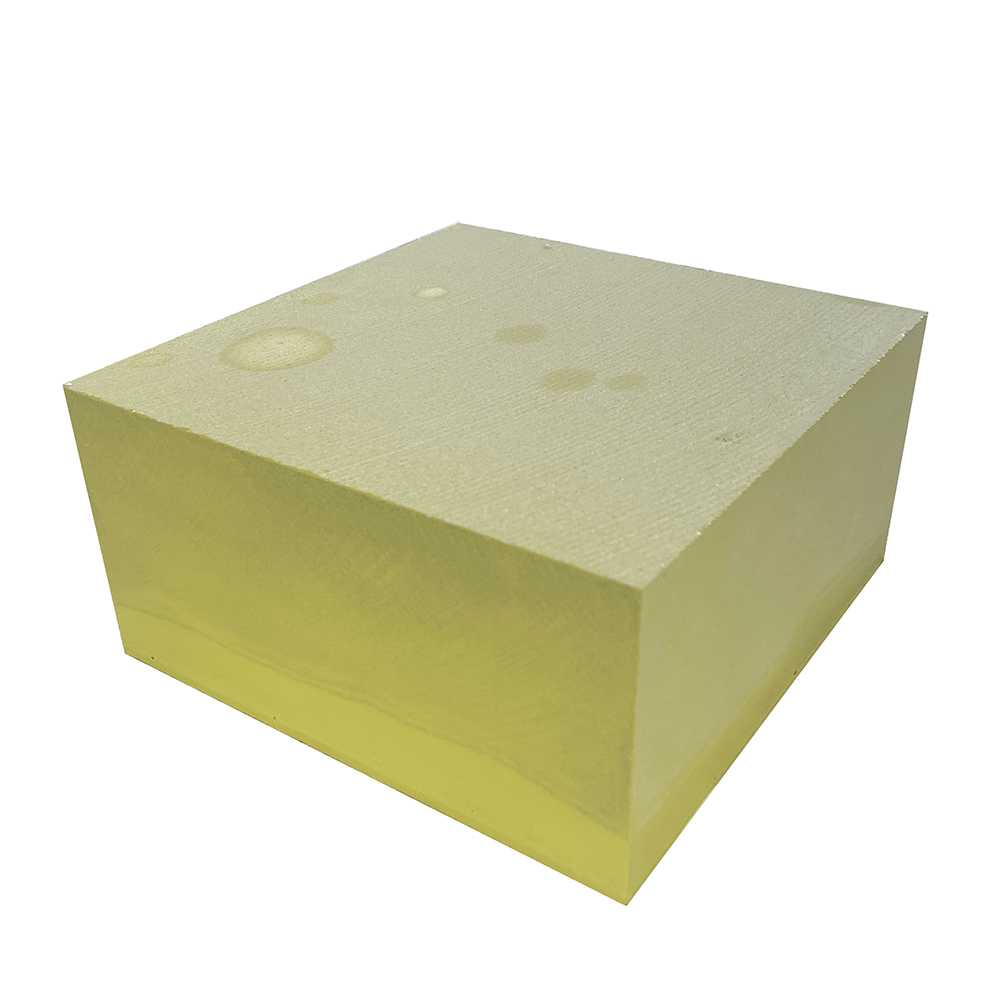
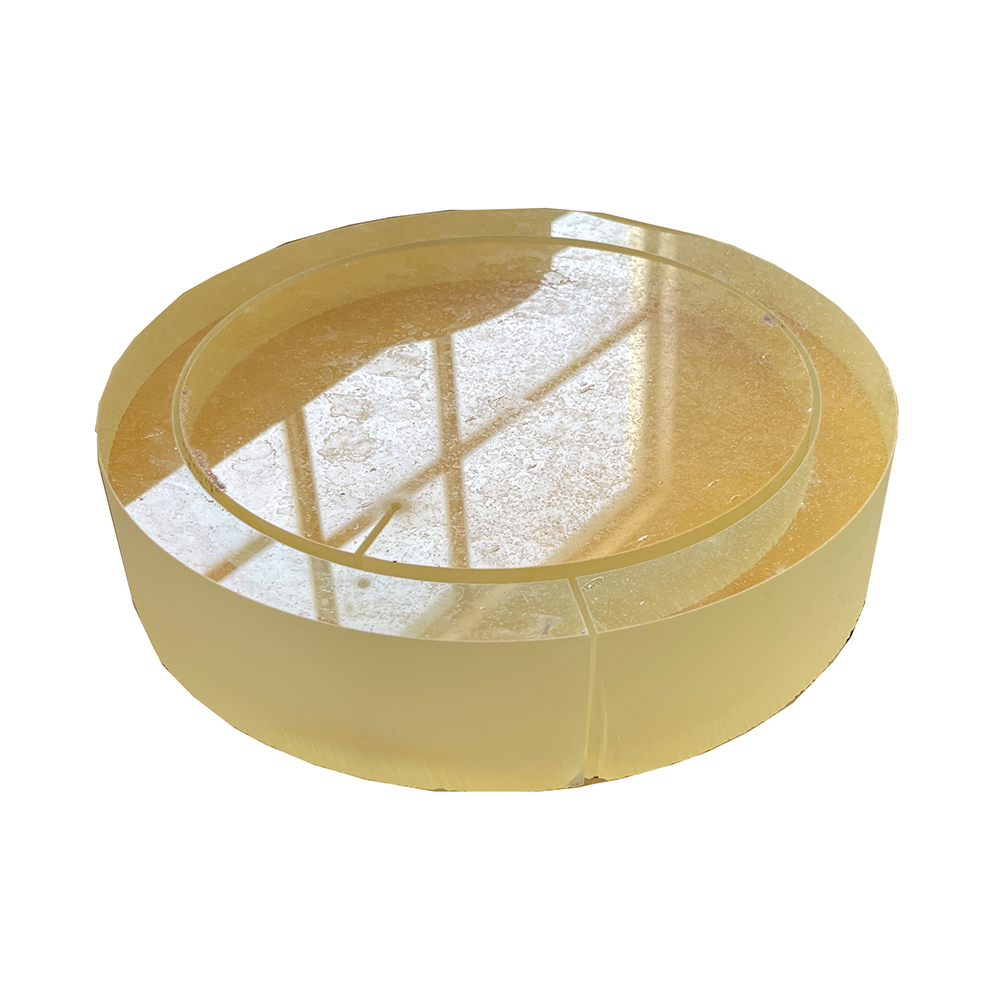
Lead Glass (ZF6 & ZF7 models) is a premium radiation protective material designed for high-energy radiation environments and specialized architectural needs. These models offer superior lead equivalent (0.27mmpb for ZF6, 0.33mmpb for ZF7) and unique customization capabilities—adapting to curved, angled, or irregular window shapes. Crafted with 99.994% pure lead ingots and a dense glass composition, ZF6 and ZF7 deliver exceptional attenuation of X-rays, gamma rays, and ionizing radiation, making them ideal for nuclear medicine, high-energy research facilities, and medical settings requiring advanced shielding. Despite their robust protection, they maintain functional transparency for critical observation.
Parameter | ZF6 Lead Glass | ZF7 Lead Glass |
Refractive Index | 1.755 | 1.06 |
Density | 4.76 G/cm³ | 5.2 G/cm³ |
Lead Equivalent | 0.27mmpb | 0.33mmpb |
SiO₂ Content | 30.96% | 27.27% |
Pb₃O₄ Content | 65.06% | 70.93% |
Other Components | 3.98% | 1.8% |
Transparency | 80% | 75% |
Thickness Range | 5mm - 150mm | 5mm - 150mm |
Customization Options | Curved/irregular shapes via lamination or composite panel assemblies | Curved/irregular shapes via lamination or composite panel assemblies |
With higher Pb₃O₄ content (65.06% for ZF6, 70.93% for ZF7) and lead equivalent (up to 0.33mmpb), these models excel in high-radiation environments like nuclear medicine suites and industrial high-dose testing. They block a higher percentage of high-energy radiation compared to standard lead glass.
Unlike rigid standard lead glass, ZF6 and ZF7 can be tailored to curved or irregular window shapes. Customization is achieved through lamination (for slight curves) or assembling multiple flat panels at precise angles (for complex shapes), ensuring a perfect fit for unique architectural designs without compromising shielding.
Manufactured with 99.994% pure lead ingots, the glass meets global safety standards (IEC, FDA, ISO) for medical and industrial radiation protection. Each panel undergoes rigorous testing for radiation leakage and structural integrity, ensuring compliance with facility safety regulations.
The dense glass composition resists scratches, chemical exposure, and temperature changes. Routine cleaning with a damp cloth and non-abrasive cleaner maintains performance, and the material does not degrade over time with proper care—reducing long-term replacement costs.
Nuclear Medicine Departments: Critical for cobalt-60 treatment rooms, ECT suites, and PET-CT centers where high radiation levels demand superior shielding.
Interventional Radiology Suites: Large, custom-shaped panels for observation windows in high-dose procedures (complex cardiac, neurological interventions).
Radiation Therapy Clinics: Installed in treatment rooms to shield staff from therapeutic radiation while allowing visual patient monitoring.
Hybrid Operating Rooms: Irregular-shaped panels for unique window openings in ORs with integrated radiation equipment.
Nuclear Research Labs: Observation screens in accelerator facilities, nuclear reactor control rooms, and fusion research centers.
Industrial High-Dose Testing: Protective windows for gamma radiography equipment used in heavy industry (pipeline, bridge, and aerospace component inspections).
Security & Nuclear Facilities: Shielding for observation windows in nuclear power plants, radioactive material storage areas, and homeland security screening centers.
Direct bending of lead glass is not feasible due to brittleness. Instead, customization uses two methods: 1) Lamination: Lead glass panels are laminated into safety glass, allowing limited curvature while maintaining structural integrity. 2) Composite Assemblies: Multiple flat lead glass pieces are cut and arranged at precise angles to simulate curves or fit irregular openings. Both methods are engineered to preserve radiation shielding and ensure the final product meets safety standards.
No—75-80% transparency is sufficient for most high-radiation applications. It balances visibility with enhanced shielding, which is critical in nuclear medicine or high-dose industrial settings. The glass is designed to minimize distortion, so medical staff can clearly monitor patients or researchers can observe experiments. For applications requiring maximum clarity, anti-reflective coatings are available as an optional enhancement.


