Views: 0 Author: Site Editor Publish Time: 2026-05-14 Origin: Site


Facility-level shielding acts as the primary defense against harmful workplace radiation. Massive concrete walls and fixed barriers protect general medical and industrial environments. However, volatile radioactive materials rarely stay in one static location. They constantly move between delivery areas, hot labs, automated workstations, and remote waste facilities.
During these high-risk physical movements, staff need reliable localized radiation protection. Specialized Lead Containers provide this critical mobile link in your facility's overarching safety infrastructure. Handling active radioactive isotopes improperly creates massive exposure risks for medical technicians and engineers alike. You must effectively contain these invisible hazards at the source.
This comprehensive guide serves facility managers, radiation safety officers (RSOs), and procurement teams. We will help you map specific clinical or industrial workflows to the correct shielded equipment configurations. You will learn how to balance required shielding thickness, physical payloads, and critical operator ergonomics. Ultimately, these practical insights ensure robust environmental health and safety compliance across your entire daily operation.
Workflow-Specific Solutions: Lead containers are not one-size-fits-all; applications range from temporary radiopharmaceutical storage to localized sharps disposal and active decay waste management.
Material Integrity Matters: Raw lead is too soft and toxic on its own. Commercial-grade containers must utilize antimony alloys (typically 4%) for structural rigidity and feature encapsulated designs (e.g., stainless steel, epoxy, or polyethylene) to prevent raw lead exposure.
Ergonomics Ensure Compliance: Because of the extreme weight of lead shielding (e.g., 11.33 g/cm³ density), successful deployment requires evaluating hardware like heavy-duty mobile carts, retractable handles, and top-loading trap doors to minimize manual handling risks.
Regulatory Lifecycle: Procurement must account for the full lifecycle, including EHS protocols for segregating and disposing of contaminated versus non-contaminated shielded containers.
Hospitals and industrial sites rely on highly diverse shielding solutions every day. You cannot apply a universal approach to radiation safety. Different daily workflows generate unique exposure risks, requiring specific geometries and thicknesses. Specialized equipment addresses these distinct operational challenges directly.
Technicians frequently use specialized cylindrical shielding devices commonly called "pigs". They use these compact units for safely transporting small vials and sensitive syringes. The journey usually starts at the radiopharmaceutical manufacturer and ends at local dosing stations inside a hospital.
Different isotopes emit wildly varying energy levels. Therefore, your equipment requires specific lead equivalence. You must tightly match the shielding thickness to the isotope's specific gamma or beta energy profile. Standard nuclear medicine applications typically demand 25mm to 40mm of thickness. Proper thickness matching prevents unnecessary payload weight while simultaneously guaranteeing handler safety during transit.
Radioactive waste requires incredibly careful lifecycle management. Shielded decay drums act as essential tools here. Facilities use them strictly for managing the natural decay cycles of low-energy beta and gamma radiation waste. You cannot discard these materials until they reach safe background radiation levels.
Many modern sites implement a highly efficient dual-drum rotation system. One drum actively receives new daily waste from the lab. Meanwhile, operators completely isolate the second drum for safe, uninterrupted decay. This intelligent rotational method keeps the working environment safe. It also drastically simplifies your routine waste disposal procedures by ensuring continuous operational flow.
Daily medical imaging procedures generate thousands of contaminated needles. Sharps container shields solve this specific environmental hazard. Engineers design them specifically for the fast, safe disposal of used syringes. These syringes often carry low-energy radioactive residues after patient injections.
Key design features protect the user during the exact moment of disposal. High-quality clinical shields incorporate gravity drop-ports or partial-opening lids. Operators can discard sharps instantly. They accomplish this without exposing themselves or their colleagues to the intense internal radiation field radiating from the collected waste.
Radiation safety extends far beyond medical settings. Industrial complexes and research facilities handle extremely potent isotopes daily. They deploy heavy-duty Lead Containers outside of traditional medical environments to ensure site-wide safety.
Typical non-medical applications include housing critical quality control calibration sources. Field technicians also store sensitive industrial radiography tools inside them when traveling to inspection sites. Furthermore, highly sensitive research materials require strict, continuous isolation from normal background radiation. Thick internal shielding prevents external interference and completely protects the immediate research workspace.
Most end-users misunderstand the internal construction of shielding equipment. Pure elemental lead alone fails entirely in practical commercial applications. Manufacturers must expertly engineer composite materials to guarantee long-term physical safety and structural integrity.
Pure raw lead possesses an impressive 99.985% purity level. However, it severely lacks the physical hardness required for durable, long-term industrial use. The soft metal easily dents, scratches, or structurally slumps under its own extreme physical weight.
To permanently solve this, manufacturers intentionally alloy raw lead with other hardening elements. They typically add around 4% antimony to the metallurgical mix. This specific alloy ratio ensures complete component integrity. It actively prevents physical deformities under high weight stress. Because of this composite engineering, your equipment maintains its precise, radiation-blocking dimensions over decades of heavy daily use.
Raw lead poses severe, well-documented toxicity risks to handlers. Direct physical contact introduces dangerous heavy metals into the human bloodstream over time. Therefore, you must rigorously evaluate containers based on their internal and external isolation methods. Modern safety engineering offers several distinct encapsulation strategies:
Stainless Steel Exteriors: These rigid shells provide maximum structural durability. They also offer excellent clinical corrosion resistance, making them perfect for highly sterile hospital environments.
Polyethylene Encasements: Facilities often select this method for low-energy isotope shielding. Manufacturers carefully sandwich a very thin lead layer (e.g., 0.76mm) entirely within thick, high-density polyethylene (HDPE).
Painted/Epoxy Interiors: You desperately need this if an interior steel lining is absent. Thick baked epoxy layers completely prevent direct skin contact between busy operators and the bare toxic metal.
Sometimes, traditional composite lead alloys fall short of operational demands. We must introduce machined tungsten for highly specialized, high-stress scenarios. Tungsten delivers unparalleled extreme durability. It allows for much thinner physical profiles while providing identical radiation attenuation.
Many modern medical facilities enforce strict non-toxic material mandates across all departments. Tungsten answers this regulatory need perfectly. Automated robotic transport systems and tight-space radiopharmacies utilize tungsten extensively. It offers premium, worry-free attenuation without the traditional bulk associated with legacy metals.
The table below summarizes the key differences between common shielding materials. You should reference this when making your next procurement decision.
Material Type | Primary Advantage | Common Application | Toxicity Risk |
|---|---|---|---|
Antimony-Lead Alloy (4%) | High structural rigidity under immense weight | Standard hospital decay drums, large transport pigs | High (requires strict external encapsulation) |
HDPE-Encased Lead | Lightweight handling, extremely easy to clean | Low-energy sharps disposal, standard lab storage | Low (toxic core is fully sealed inside heavy plastic) |
Machined Tungsten | Thinner physical profile, extreme drop durability | Automated transport tracks, tight radiopharmacies | None (completely non-toxic to human touch) |
Selecting the right safety equipment involves mapping complex variables. Procurement teams cannot simply buy off-the-shelf items blindly based on basic descriptions. You must closely analyze your facility's specific spatial limits and physical workflow demands.
You must actively map the maximum internal dimensions needed for your specific payload. Compare this required internal volume against the strictly required shielding thickness. Typical thickness requirements range from 1/4 inch to well over 2 inches. This metric depends entirely on the specific radioactive source you plan to store.
Increasing the wall thickness exponentially reduces your available internal payload space. Conversely, maintaining a massive internal volume drastically increases the external physical footprint. You must carefully balance the physical size against your available hot lab workspace. A miscalculation here often results in equipment that simply cannot fit through standard facility doors.
Heavy shielding creates massive, hidden ergonomic challenges for your staff. A completely empty vessel can easily weigh over 40kg (90 lbs) if it features thick walls. You must demand robust external hardware and smart, human-centric design features.
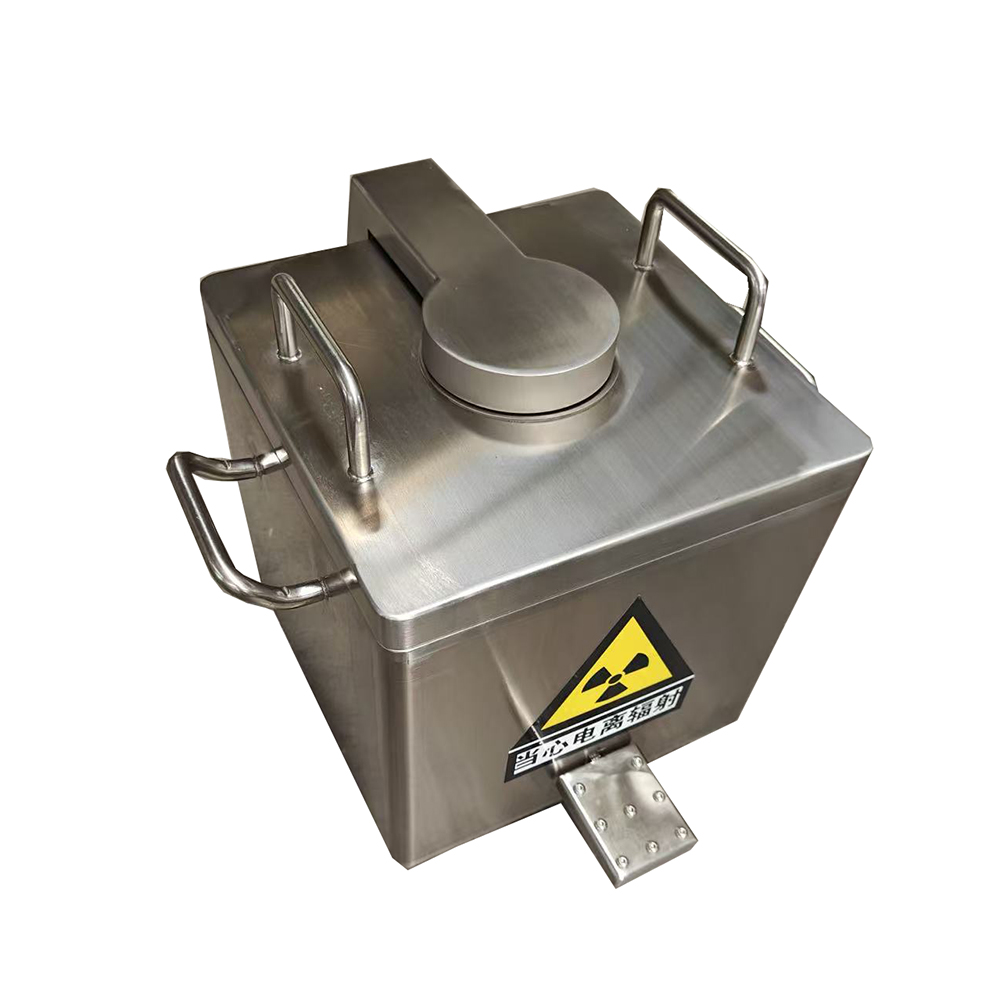
Sealing Mechanisms: Look closely for premium silicon gaskets. Interlocking or stepped overlap lid designs prove absolutely essential. These overlapping mechanical joints prevent straight-line radiation leakage at the seams, ensuring zero exposure points.
Locking Systems: Controlled radioactive substances require absolute legal security. Verify the presence of heavy-duty stainless steel locking rings. Many secure facilities legally mandate dual padlock supports. Automated storage bays often utilize quick-release bayonet locking mechanisms to save critical seconds during transfers.
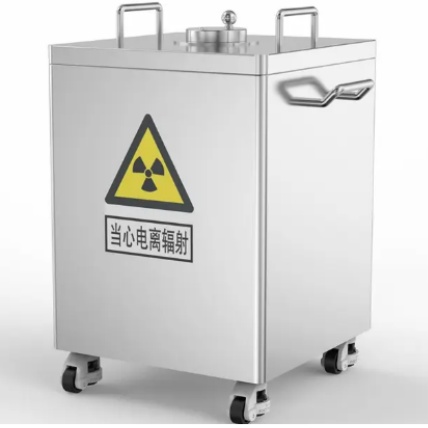
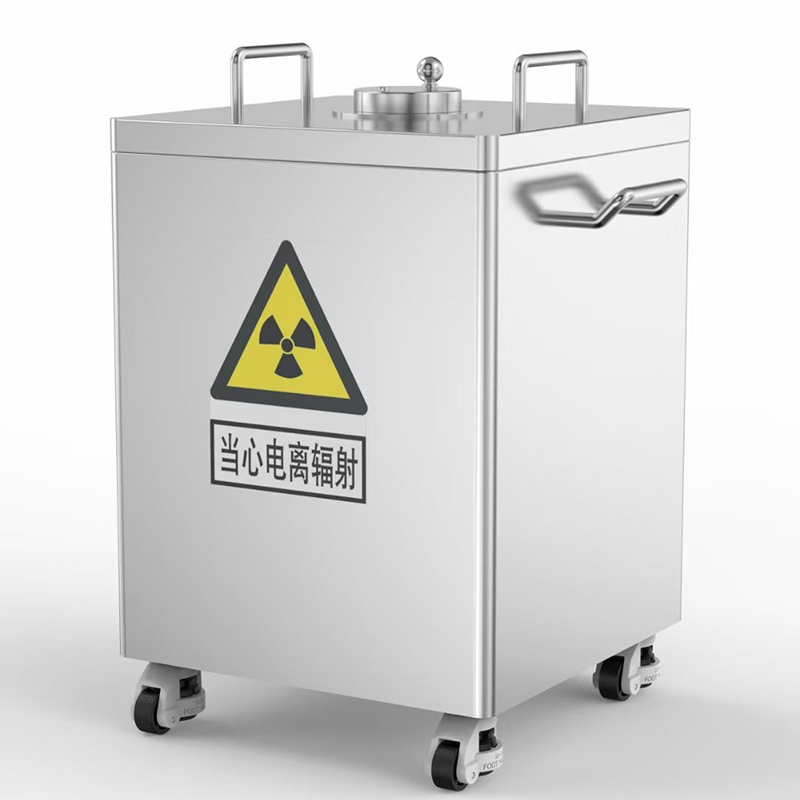
Mobility & Storage: Assess the daily need for modular structural stackability. Retractable telescopic handles heavily assist technicians trying to navigate tight lab corridors. You must mandate strict integration with heavy-duty stainless steel mobile carts. These reinforced carts prove essential for units exceeding safe manual lifting thresholds. Operators often move incredibly heavy Lead Containers using these specialized rolling platforms to prevent severe back injuries.
Follow these precise steps when evaluating your next hardware purchase to ensure complete regulatory compliance and operational fit:
Audit your daily laboratory isotope usage and pinpoint the maximum required energy levels.
Calculate the exact necessary attenuation thickness needed for your most volatile materials.
Measure your available hot lab storage space to determine your absolute maximum external footprint.
Select appropriate surface isolation materials based entirely on your facility's specific sterilization protocols.
Specify mandatory mobility hardware, such as integrated wheels, handles, or dedicated transport carts.
Equipment lifecycle management demands incredibly strict regulatory adherence. You cannot treat shielding materials like standard industrial scrap waste. Mishandling contaminated metal directly triggers severe EHS violations, massive fines, and dangerous facility shutdowns.
Facilities must establish impeccably clear standard operating procedures. We emphasize the vital importance of distinct, uncompromising segregation rules. You must easily distinguish between clean units and heavily compromised units within seconds.
Some storage units hold completely clean internal liners. Others may have unexpectedly suffered a localized radioactive fluid spill. Staff must visually tag compromised equipment immediately. Fast, decisive isolation prevents catastrophic cross-contamination across your normally clean work zones. Excellent EHS protocols require dedicated holding zones for these isolated units.
Facility managers must outline distinct regulatory realities for end-of-life disposal. Uncontaminated shielding fortunately offers straightforward, legal removal paths. You can often process completely clean units through standard facility EHS channels. Many certified local metal recycling centers gladly accept uncontaminated heavy alloys.
Conversely, you must strictly isolate directly contaminated items. If radioactive material successfully breaches the inner protective liner, legal protocols change instantly. You must explicitly tag the unit with radioactive warning markers. Facilities must formally transition these specific items into a strict, highly monitored radioactive waste stream. Never mix clean recycling metals with contaminated disposal batches under any circumstances.
Specifying appropriate facility shielding requires balancing three extremely crucial variables. First, you must rigorously evaluate the specific radiation energy level. This physics metric directly dictates your necessary shielding wall thickness. Second, you must precisely map your daily handling workflow. This operational reality determines your required lid style, opening mechanism, and security hardware. Finally, you must heavily prioritize operator ergonomics. Dense, heavy metals demand appropriate mechanical mobility aids to completely prevent physical workplace injuries.
Decision-makers should immediately audit their current hot lab and transport workflows. You need to calculate required equivalent thicknesses based entirely on your specific daily isotopes. Following this detailed internal audit, shortlist reliable vendors carefully. Choose manufacturing partners fully capable of providing exhaustive metallurgical specifications. Always demand documented, written material isolation guarantees to permanently protect your valuable workforce.
A: A lead container serves as a very broad term for general transport and storage equipment. Conversely, engineers design a decay drum specifically for active radioactive waste management. Decay drums often feature convenient top-loading ports. They frequently include specialized internal plastic liners to facilitate structured decay-in-storage workflows. This precise design makes them ideal for isolating low-energy waste safely over long periods.
A: Manufacturers must actively prevent dangerous human exposure to raw elemental lead. Direct skin contact with bare lead poses severe, documented toxicity risks. Full encapsulation inside stainless steel or heavy epoxy ensures strict compliance with occupational health standards. Furthermore, these rigid outer layers prevent the physical degradation and structural slumping of the highly soft interior metal during routine daily handling.
A: It depends heavily on the specific lead equivalent thickness. Containers containing 35mm to 60mm of core shielding can easily exceed 40kg (90+ lbs). They weigh this tremendous amount despite having a very small physical footprint. Medical and industrial facilities absolutely require dedicated heavy-duty carts to move them safely. This mandatory equipment prevents severe, debilitating workplace lifting injuries.
A: Harmful radiation waves travel outward in perfectly straight lines. Basic flat lids create tiny, invisible gaps where these energy lines can escape. Overlapping or stepped lid designs solve this physics problem completely. They effectively eliminate direct "line-of-sight" gaps between the base housing and the top lid. This structural overlap ensures dangerous radiation absolutely cannot escape through the mechanical seams.