




| Quantity: | |
|---|---|


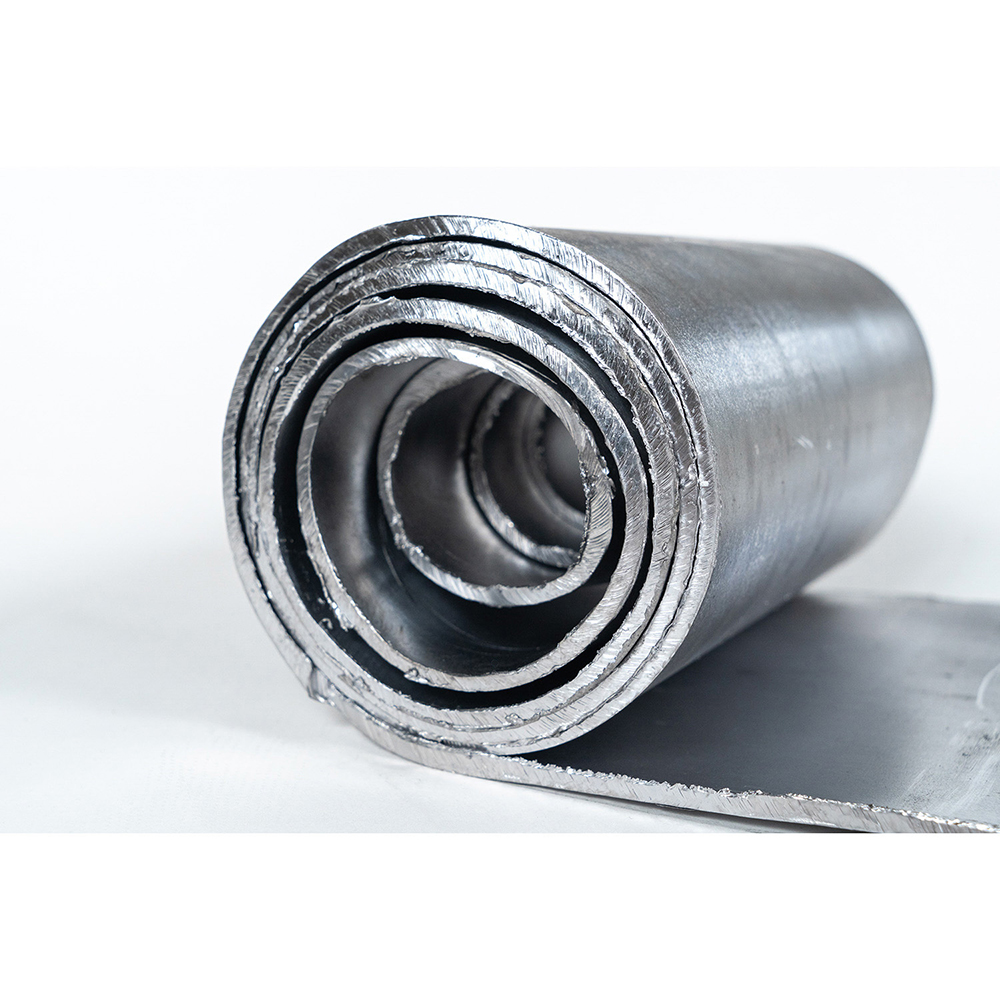
Lead Plate is a versatile, high-performance material crafted from 99.994% pure lead ingots, renowned for its exceptional radiation shielding, corrosion resistance, and weight-bearing properties. Available in a wide range of thicknesses and lead equivalents, this plate serves as a core component in radiation protection systems, industrial equipment, and energy applications. Its high density (11.345g/cm³) enables effective absorption of X-rays, gamma rays, and other ionizing radiation, while its resistance to acids, alkalis, and harsh chemicals makes it ideal for corrosive environments. Whether used as a lining for medical radiation rooms, a component in lead-acid batteries, or a weighting agent in mechanical equipment, Lead Plate delivers reliable performance across diverse industries.
Feature | Details |
Thickness | 0.5mm – 500mm (standard); custom thicknesses available |
Lead Equivalent | 0.1mmpb – 50mmpb (tailored to shielding requirements) |
Specific Gravity | 11.345g/cm³ |
Purity | 99.994% pure lead ingots (raw material) |
Corrosion Resistance | Resistant to sulfuric acid, hydrochloric acid, and other strong acids/alkalis |
Form | Flat plates; customizable cuts and shapes available |
Availability | Ready-to-ship standard sizes; custom production for special requirements |
Ultra-High Purity: Made from 99.994% pure lead ingots, ensuring consistent radiation shielding performance and minimal impurities that could compromise durability.
Superior Radiation Shielding: High density enables effective absorption of X-rays, gamma rays, and scattered radiation—essential for medical and industrial protection.
Exceptional Corrosion Resistance: Withstands harsh chemical environments (e.g., acidic industrial settings), making it suitable for long-term use in storage tanks, pipelines, and chemical equipment linings.
Cost-Effective Versatility: Offers a balance of performance and affordability, serving multiple purposes (radiation shielding, weighting, corrosion protection) across industries.
Easy Customization: Available in diverse thicknesses, sizes, and cuts—can be tailored to fit specific equipment or facility requirements.
Medical Radiation Protection: Lining for X-ray rooms, CT scan suites, radiotherapy facilities, and nuclear medicine labs; component in radiation shielding walls and barriers.
Energy & Chemical Industry: Key material for lead-acid battery manufacturing; lining for acidic storage tanks, pipelines, and metallurgical equipment.
Industrial Sector: Weighting agent for mechanical equipment (cranes, elevators, scales) to enhance stability; shielding for industrial non-destructive testing areas.
Electrical Engineering: Cable sheaths, fuses, and solder tapes (when alloyed with tin/antimony); electromagnetic shielding for electronic devices.
Yes, lead plates can be painted or coated, but traditional lead-based paints are not recommended due to health and environmental risks. Modern alternatives like zinc-rich coatings or specialized protective systems are preferred—they provide equivalent corrosion resistance without toxic hazards during application or removal.
Wear cut-resistant gloves, safety goggles, and a respirator to avoid skin contact, eye injuries, and inhalation of lead dust/fumes. Use sharp hand tools (e.g., craft knives, snips) for cutting, and smooth edges with a file or sandpaper. Clean up dust/scraps using a wet method or HEPA vacuum to prevent lead exposure.
Yes. Lead plates have inherent resistance to strong acids (e.g., sulfuric acid, hydrochloric acid) and alkalis, making them ideal for lining storage tanks, pipelines, and other equipment in chemical or metallurgical industries.
The required thickness depends on the radiation type (X-rays, gamma rays), energy level, and desired shielding efficiency. For example, low-energy X-rays in dental clinics may require 0.25–0.5mmpb lead equivalent, while high-energy gamma rays in nuclear facilities need thicker plates (5–50mmpb). Consult our technical team for customized recommendations.


