


| Quantity: | |
|---|---|


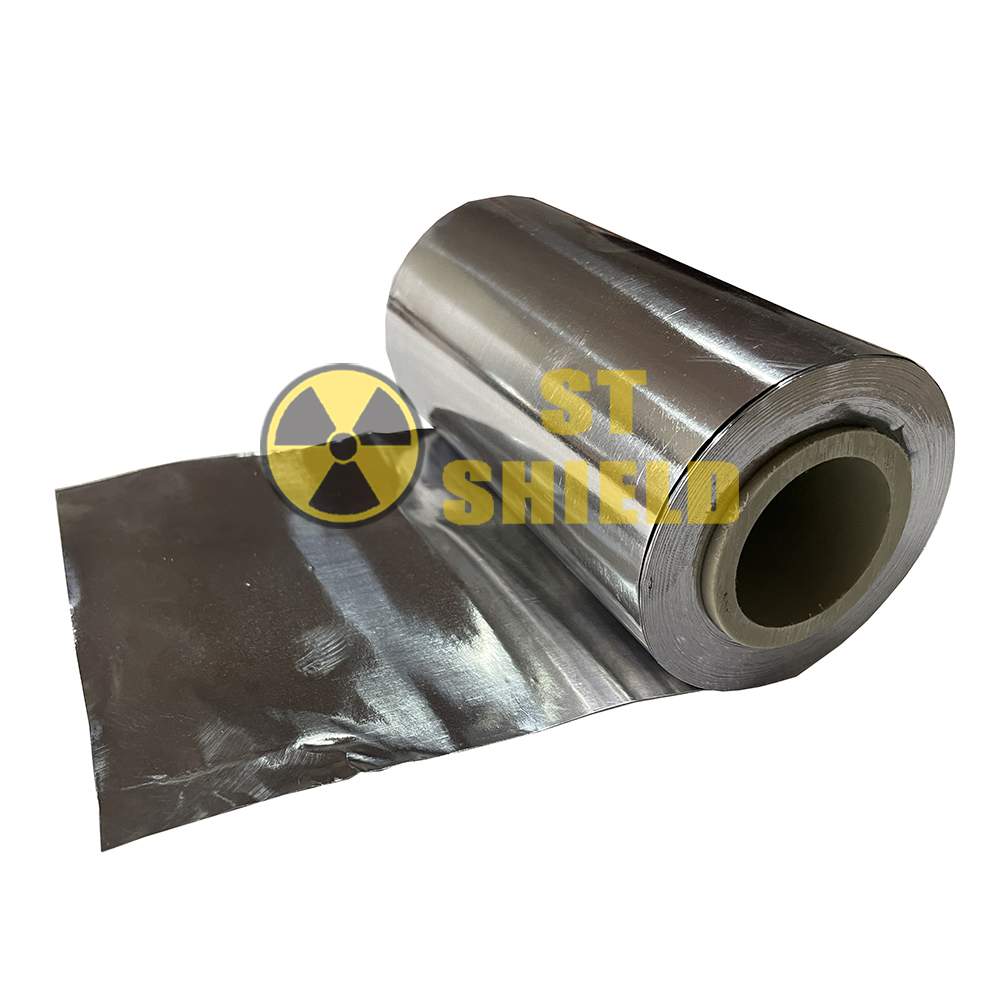
Fire assay lead foil is a special type of lead foil with high purity and low impurities (especially low silver and low gold), which is an indispensable consumable in the classic arbitration method for gold, silver, and precious metal analysis.
In operation, lead foil is used to wrap the sample (ore powder/jewelry filings, etc.)+pure silver carrier, roll it into a shot put, and place it in a preheated ash dish for ash blowing (Cupellation) in a high-temperature oxidizing environment: lead is oxidized into lead monoxide (PbO) and absorbed by the ash dish, while precious metals such as gold and silver are not oxidized, leaving behind clean Au Ag particles, which are then separated into gold (silver dissolved in nitric acid) → weighed → calculated grade.
In simple terms, lead foil is the high-purity lead skin in fire assay that sacrifices itself, takes away impurities, and preserves gold.
Technical Specifications
Parameter | Details |
Thickness Range | 0.1mm - 0.25mm |
Material Purity | 99.99% (assay-grade lead, gold/silver-free) |
Density | 11.34g/cm³ |
Bismuth Content | Low (ensures analytical accuracy) |
Compliance Standard | ISO11426 (for fire assay gold determination) |
Core Properties | Flexible, malleable, radiation-absorbent, corrosion-resistant |
Form supply | Cut square pieces (per sheet)/roll foil, customizable according to customer needs |
| Pb (Lead) | 99,99% |
| Sn (Tin) | 0,010 % max |
| Sb (Antimony) | 0,001 % max |
| Cu (Copper) | 0,001 % max |
| Fe (Iron) | 0,002 % max |
| Zn (Zinc) | 0,001 % max |
| Cd (Cadmium) | 0,001 % max |
| Bi (Bismuth) | 0,005 % max |
| As (Arsenic) | 0,002 % max |
| Ni (Nickel) | 0,001 % max |
| Ag (Silver) | 0,001 % max |
| Al (Aluminium) | 0,001 % max |
| In (Indium) | = |
| Au (Gold) | 0,001 % max |
Wrap the sample in an ash dish to complete the oxidation removal of lead → PbO, and enrich Au Ag particles
1. Lead poisoning protection: Fire testing of lead foil itself is not the most dangerous step, but the blowing of dust will produce PbO smoke and dust (Mithrasa), which is the real health risk source in the entire process. Attention should be paid to physical protection
2. Ventilation: Ash blowing must be done in a dedicated fume hood or an ash blowing furnace with independent exhaust. The surface air speed should reach the standard, and people should not stay in front of the open furnace for a long time
3. Storage and retrieval: Use a dedicated clean tray/plastic pad, seal it back in a self sealing bag immediately after use, store it in a drying cabinet or drawer, do not refrigerate (condensate water is worse, label the batch number on the outer packaging, use first come, first served)
4. Waste residue classification: Waste ash dishes, lead buckle residue, and wiping paper are all put into lead containing hazardous waste bins, labeled, and disposed of through hazardous waste forms
0.1 mm lead foil is a parameter that has been balanced through long-term practice:
0.1mm lead foil is thin enough → easy to wrap, easy to roll into balls, and has uniform contact
0.1mm lead foil is not too thin, it is not easy to break during operation, and the quality is controllable (about 3-3.5 g per piece for easy weighing management)
Too thick will increase the amount of lead used (more PbO smoke and greater burden on the ash tray); If it is too thin, it is easy to crack and the package is not firm enough, resulting in exposed sample loss
Lead will form a dark gray oxide film in the air, but it does not affect the ash blowing function (lead is already oxidized at the ash blowing temperature).
The key is:
1. Lead foil should be stored in a dry and clean place to avoid oil and dust pollution
2. If there is thick dirt on the surface of lead foil before use, gently wipe it without getting grease or sulfur-containing substances on it
3. After opening the lead foil, seal it with a self sealing bag/original packaging to prevent the surface from absorbing dust and increasing blank interference
Widely applicable: ores, concentrates, tailings, and jewelry alloys (333 ‰~999.5 ‰) can be made with extremely high accuracy, often used as arbitration methods
limitations:
Destructive method (sample burned)
When platinum group elements such as iridium and ruthenium are present, insoluble phases or volatile losses may form, which require additional chemical methods to supplement
When the purity of ultra-high purity gold is above 999.5 ‰, the fire assay method is not the best and only path (depending on the specific standard method selection)


