

Views: 0 Author: Site Editor Publish Time: 2026-06-10 Origin: Site


Lead glass can be clear and durable when it is selected and installed for the correct radiation shielding environment. It is not ordinary window glass. It contains protective lead-based components within a dense glass matrix, so it may show a light tint compared with standard architectural glass. A quality panel is designed to preserve useful visibility while providing radiation protection.
For this topic, the correct internal product direction is ST Shield's High Transparency X-Ray Lead Glass. The product page lists ZF2, ZF3, K509, K709, ZF501 and related types, thickness from 5mm to 150mm, and lead equivalent from 1mmpb to 10mmpb. It also describes ZF2 and ZF3 lead glass as engineered to block X-rays and gamma rays while maintaining optical clarity.
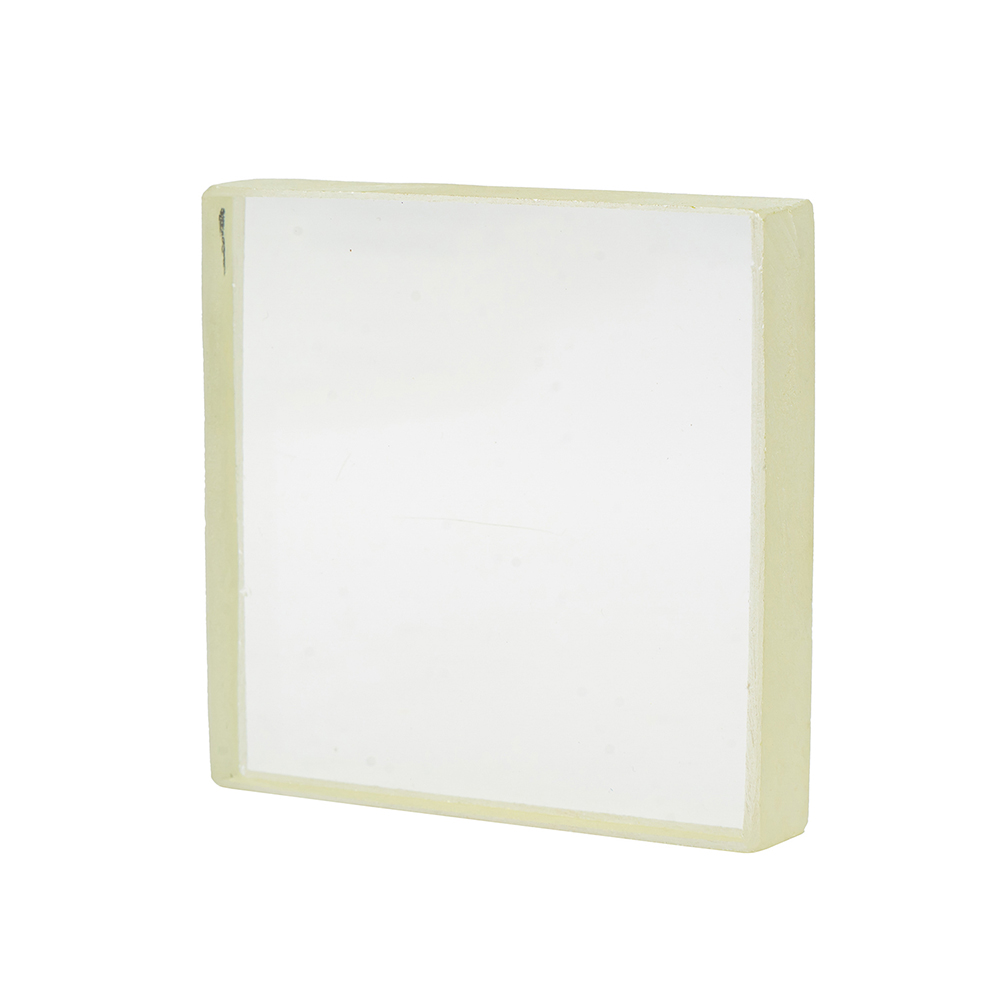
Clarity in lead glass means that staff can observe the protected area without unnecessary distortion, haze, or visual fatigue. In a radiology room, the operator may need to monitor a patient. In an inspection room, the technician may need to follow equipment movement. In a laboratory, researchers may need to see into a shielded workspace while staying protected.
Because lead glass is also a shielding material, clarity must be understood together with thickness and lead equivalent. A thicker panel may naturally feel different from a thinner one because more material sits in the viewing path. This is normal. The key is to choose the correct product type for the required protection and the intended viewing task.
Many lead glass panels have a slight yellow or greenish tone. This does not automatically mean poor quality. What matters is whether the glass allows reliable observation under the room's real lighting conditions. The installer should also avoid placing the glass where glare, reflections, or uneven lighting make observation harder.
A panel can transmit light but still distort shapes. Distortion may come from poor processing, uneven stress, incorrect frame support, or forcing the panel into an opening that is not aligned. Good lead glass should be mounted evenly so that the viewing area stays stable and comfortable to use.
Durability depends on material quality, surface care, edge protection, frame support, and correct cleaning. Lead glass should be treated as a protective optical material. It is not a structural block that can be handled roughly. The surrounding frame must support the panel and protect its edges.
A viewing window should be cleaned with soft cloths and compatible cleaners. Abrasive pads, hard scrapers, and aggressive chemicals can damage the surface. Once scratches appear, they may catch light and make observation less comfortable.
Edges need special attention during transport and installation. Chipped edges can weaken the finished appearance and may create stress points. The panel should not be knocked against a hard frame or carried without proper support. A protected edge and suitable gasket help extend service life.
The frame should support the glass evenly and maintain shielding continuity around the opening. If the surrounding structure leaves gaps, the room may have a weak point even though the glass itself is suitable. This is why installation planning matters as much as product selection.
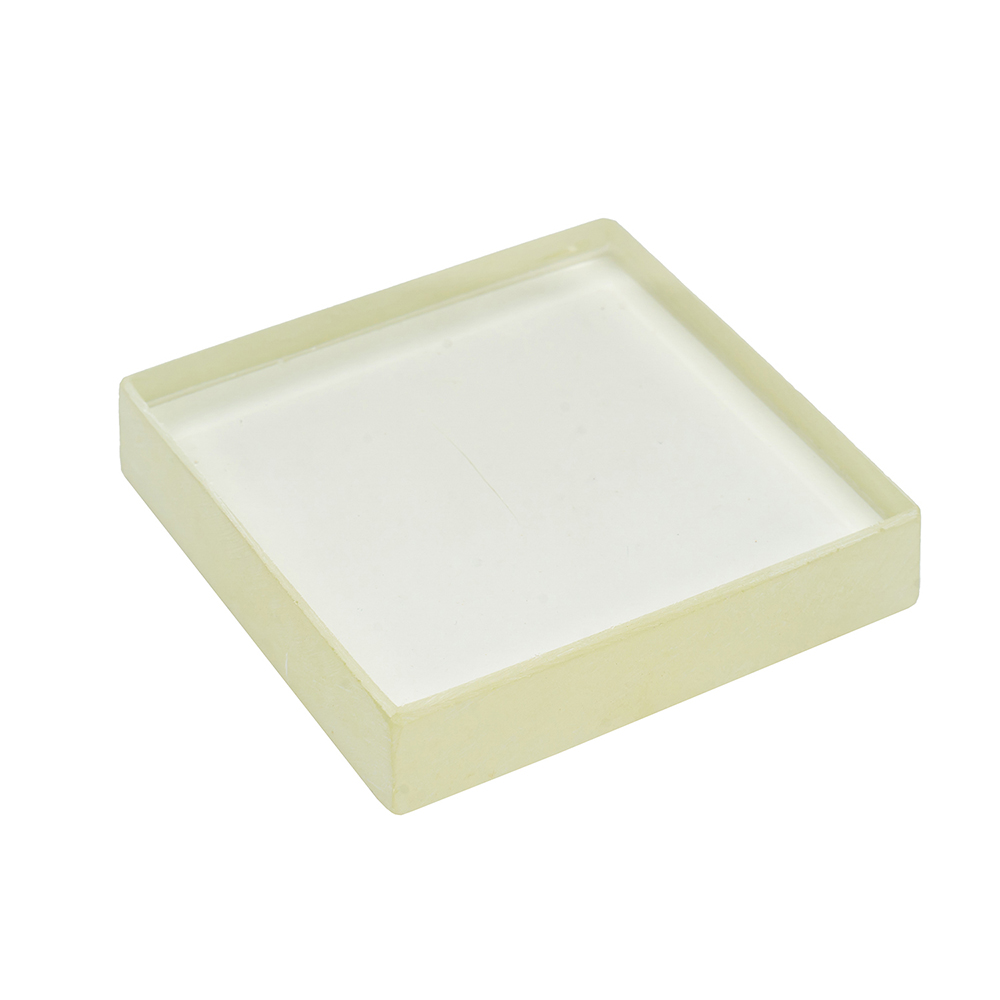
High-transparency lead glass is used when a shielded barrier must also provide visibility. This makes it valuable for X-ray rooms, CT suites, operating rooms, dental imaging areas, veterinary imaging rooms, laboratories, and industrial inspection facilities. The shared need is simple: people must see through the shield without standing in the exposure area.
This article is different from a custom lead glass article. Here the central concern is viewing quality and long-term durability. The project normally involves a flat observation window or a standard protective panel. If the opening is curved, angled, or irregular, the buyer should move to a custom lead glass discussion instead.
Evaluation point | Why it matters | What to confirm |
|---|---|---|
Optical clarity | Supports safe observation | Tint, brightness, distortion, lighting |
Lead equivalent | Defines protection level | Required mmpb value and project report |
Thickness | Affects weight and viewing feel | 5mm to 150mm range and frame capacity |
Frame support | Protects the panel | Gasket, overlap, edge contact, alignment |
Cleaning routine | Maintains clear surface | Soft cloth and non-abrasive cleaner |
Before installation, confirm the opening size, panel thickness, lead equivalent, and frame design. During installation, the panel should be lifted with proper support and placed evenly. Workers should avoid hard contact at corners and should not force the glass into a tight frame. After installation, inspect the view, frame overlap, and any exposed edges.
Long-term durability also depends on daily use. Facility staff should prevent carts, tools, or doors from striking the glass. Cleaning teams should be told that this is a specialized shielding window, not a normal pane. A simple care procedure can preserve both transparency and protective value.
A clear lead glass window should remain usable for many years when it is protected from unnecessary impact and cleaned correctly. Long-term clarity is often influenced by simple habits. Staff should avoid placing hard tools against the glass, leaning metal parts on the window surface, or using the window ledge as a storage shelf. These small behaviors can create scratches, chips, or marks that slowly reduce the quality of observation.
The installation environment also affects service life. If the window sits in a busy corridor, the design may need guards or a deeper frame. If the room uses strong lighting, the project team should consider reflection and glare before final placement. If the window is near moving equipment, traffic patterns should be reviewed. Durability is not only a material feature. It is also a room-design outcome.
Before a clear lead glass panel is accepted, the buyer should inspect the surface, edges, view quality, and packaging condition. The panel should be checked under normal lighting, not only in a dark storage area. The frame area should also be reviewed so that the visible glass and surrounding shielded structure work together.
For medical and laboratory spaces, the inspection should include both visual and protective concerns. A clean surface supports observation. Correct lead equivalent supports protection. Proper frame overlap reduces shielding gaps. These points create a stronger result than looking at transparency alone.
Ordinary glass may be clear, but it does not provide the required radiation attenuation for X-ray protection. Lead glass is chosen because it combines visibility with shielding. This dual role is the reason buyers must evaluate both optical quality and protective performance. A normal window may look brighter, but it cannot perform the same safety function in a radiation environment.
Not always. Lead glass may have a slight tint because of its shielding composition. High transparency means the panel is designed to preserve useful observation clarity.
No. Thickness supports shielding, while clarity depends on glass quality, processing, lighting, and installation. The best panel balances protection and viewing needs.
Yes. It should be cleaned gently and protected from abrasive tools, hard impacts, and rough handling.
Lead glass can be clear and durable when product type, thickness, lead equivalent, installation frame, and cleaning routine all fit the project. For flat observation windows where visibility is the main concern, ST Shield's High Transparency X-Ray Lead Glass is the correct internal link. This keeps the article focused on clarity, visual performance, surface care, and long-term use.


