

Views: 0 Author: Site Editor Publish Time: 2026-06-12 Origin: Site


Yes, lead glass can be customized when a project needs more than a standard flat rectangle. Some applications need curved panels. Others need angled edges, irregular windows, special sizes, thicker protection, or glass designed around a unique frame. Customization is most useful when the shielding window must fit a room, machine, or protective enclosure that cannot be solved with a common flat panel.
For this topic, the correct internal link is ST Shield's Curved Custom Radiation Shielding Lead Glass. The product page lists ZF6, ZF7, K509, K709, ZF501 and related types, thickness from 5mm to 150mm, and lead equivalent from 1mmpb to 10mmpb. It also describes customization for curved, angled, or irregular window shapes.
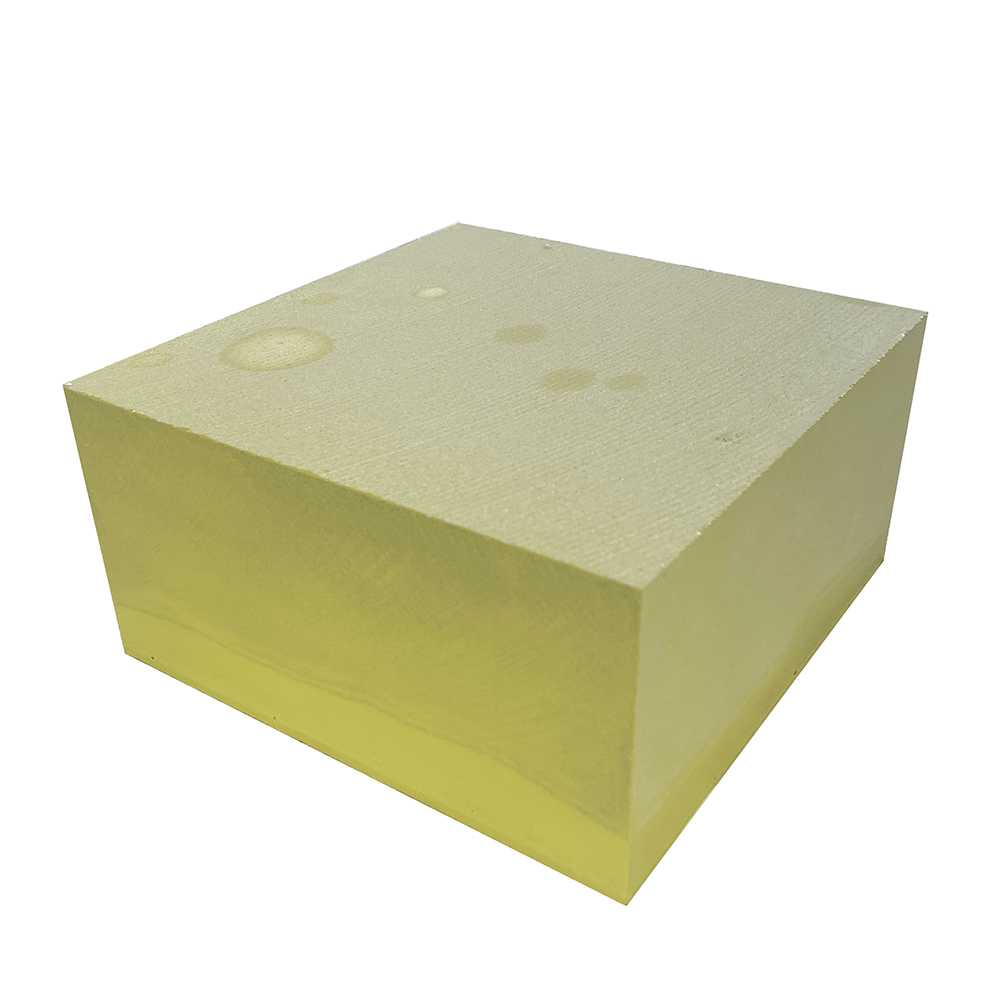
Custom lead glass can involve shape, size, thickness, lead equivalent, edge requirements, and frame coordination. The project may need a curved viewing panel, a non-standard window opening, or a shape that follows equipment geometry. The glass must still provide radiation shielding after processing, so every custom detail should be reviewed carefully.
A standard window is usually rectangular. Custom lead glass may be curved, angled, circular, or irregular. Curved glass requires more information than length and width. The buyer should provide radius, arc length, chord length, panel height, and installation direction. If the shape is unusual, a CAD drawing or accurate template helps avoid misunderstanding.
Custom shape does not replace shielding calculation. The buyer still needs to confirm lead equivalent, thickness, and application environment. A higher shielding requirement may change panel weight, frame depth, and handling method. These practical details should be settled before production begins.
Edges matter because they affect installation and service life. The frame must support the panel, protect the edges, and maintain shielding continuity. If a curved or irregular piece is placed into a poorly prepared frame, the installation may create stress or leave weak points around the window.
A high-transparency article asks whether a flat observation window is clear and durable. A custom lead glass article asks whether the glass can match a special shape while still meeting the shielding requirement. Both products need visibility and protection, but the decision logic is different.
For a normal flat control-room window, clarity may be the main topic. For a curved research enclosure, angled observation port, or irregular retrofit opening, geometry becomes the main challenge. This article therefore uses only the custom product link, because that is the product direction that matches the search question.
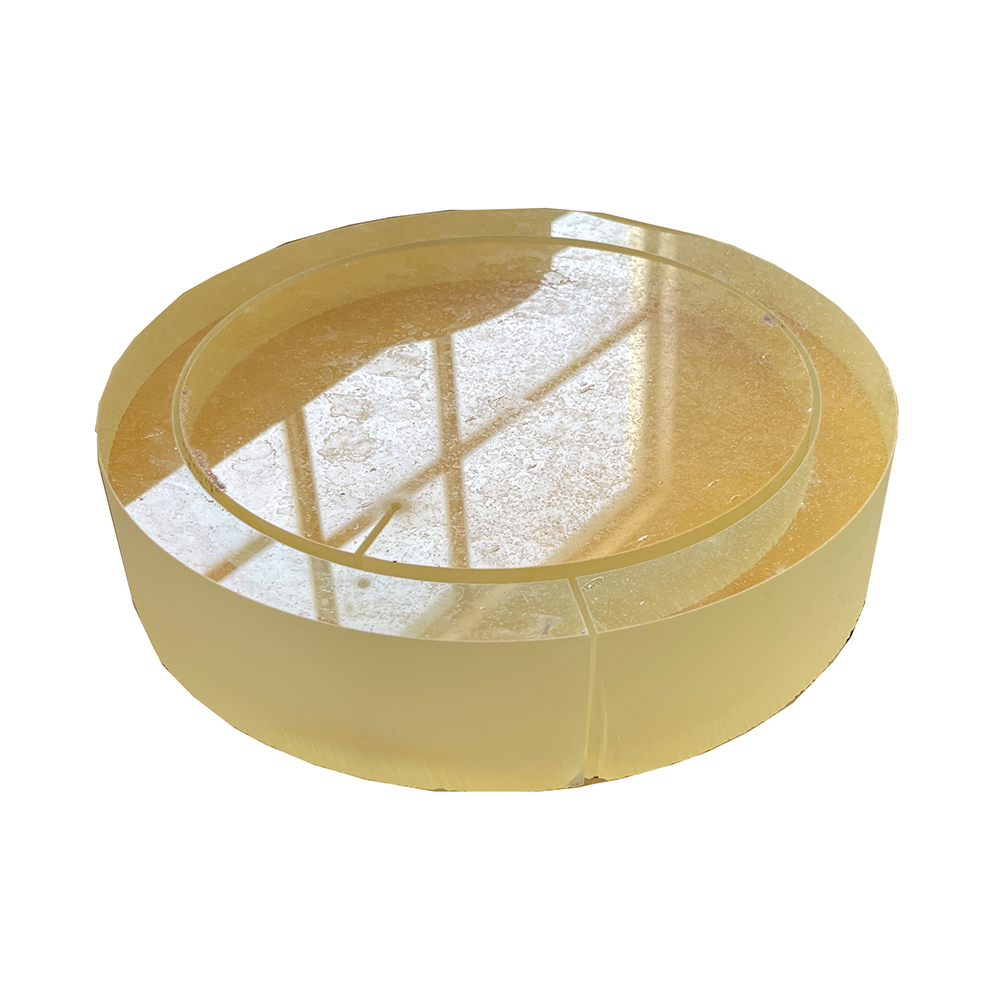
Custom radiation shielding lead glass is useful in medical, research, industrial, and architectural settings where a standard panel does not fit. Nuclear medicine facilities may need special viewing layouts. High-energy research rooms may require thicker or shaped shielding windows. Industrial inspection machines may need protected viewing ports that follow the equipment enclosure. Retrofit projects may also have openings that do not match a standard catalog size.
Curved observation windows: useful when the viewing area follows a rounded room or enclosure.
Angled shielding windows: useful when the operator's line of sight is not straight through a wall.
Irregular retrofit openings: useful when the existing structure cannot accept a standard rectangle.
Equipment viewing ports: useful when machines need protected visual access.
Special research spaces: useful when shielding, visibility, and geometry must work together.
The supplier needs to know whether the glass will be used in general radiology, nuclear medicine, high-energy research, industrial inspection, or another shielded space. This helps connect lead equivalent, thickness, and shape to the real radiation environment.
A clear drawing prevents many problems. For curved glass, include radius, arc length, chord length, panel height, thickness, edge style, and frame contact area. For irregular glass, a CAD file is better than a verbal description.
Lead glass is part of a shielding assembly. The frame should hold the weight, protect the edges, prevent stress, and close shielding gaps. The inquiry should mention frame depth, gasket, overlap, and mounting direction.
Custom glass may be harder to replace quickly than a standard panel. Before shipment, the finished product should be checked for shape, edge condition, visible defects, and packing protection. Strong packing helps protect the glass during transport.
Information | Why it matters |
|---|---|
Application area | Defines the shielding environment |
Required lead equivalent | Sets the protection target |
Glass thickness | Affects weight, protection, and frame depth |
Shape drawing | Controls radius, angle, and fit |
Frame details | Prevents stress and shielding gaps |
Packing requirement | Protects custom edges during delivery |
The first mistake is sending only a rough size without explaining the shape. The second mistake is ignoring the frame until the glass arrives. The third mistake is changing the opening after production begins. Custom shielding glass needs stable design information because geometry, protection, and handling are connected.
Another mistake is linking a customization article to a flat, non-custom product. A reader asking whether lead glass can be customized wants to see curved and irregular options. That is why this article should point to Curved Custom Radiation Shielding Lead Glass.
Custom lead glass should go through engineering review before production because shape, shielding value, thickness, and frame design are connected. A curved panel may be visually attractive, but the radius must be possible to manufacture and practical to install. An irregular panel may fit the drawing, but the edges still need enough support. A high lead equivalent may be necessary, but the added thickness and weight must match the frame and lifting plan.
The review process protects the buyer from a common problem: ordering a special glass panel that matches one requirement but fails another. Good review asks whether the glass can be produced, transported, lifted, installed, sealed, and maintained. When all of those points are checked early, the final custom product is more reliable.
A useful drawing should clearly mark units, tolerances, orientation, and viewing direction. For curved glass, the drawing should state whether the radius is measured on the inner surface, outer surface, or centerline. For angled or irregular panels, the drawing should identify which edges are visible and which edges sit inside the frame. If a template is used, it should match the final opening rather than an approximate site measurement.
Photos can help explain the application, but they should not replace technical drawings. A photo shows context. A drawing controls production. When both are provided, the supplier can better understand the shielding environment and the geometry challenge.
Custom lead glass should arrive at a site that is ready to receive it. The team should prepare safe storage space, lifting support, and a clean installation route. Curved or irregular panels should not be unpacked casually in a crowded area. The packing should be opened carefully and the product should be inspected before installation begins.
Site preparation also includes frame checking. If the frame is misaligned, too tight, or missing proper cushioning, the glass may be stressed during installation. A final measurement before installation helps confirm that the custom glass and the opening still match.
Yes. ST Shield's curved custom lead glass page describes curved, angled, and irregular window shapes.
Radius, arc length, chord length, panel height, thickness, edge style, and frame contact information are helpful.
Yes, when the correct type, thickness, lead equivalent, and installation design are confirmed before production.
Lead glass can be customized for curved, angled, irregular, and non-standard shielding windows. A successful project needs drawings, lead equivalent confirmation, thickness planning, edge protection, frame coordination, and careful packing. For this topic, all internal links should point to ST Shield's Curved Custom Radiation Shielding Lead Glass, so the article matches the reader's real customization intent.


