


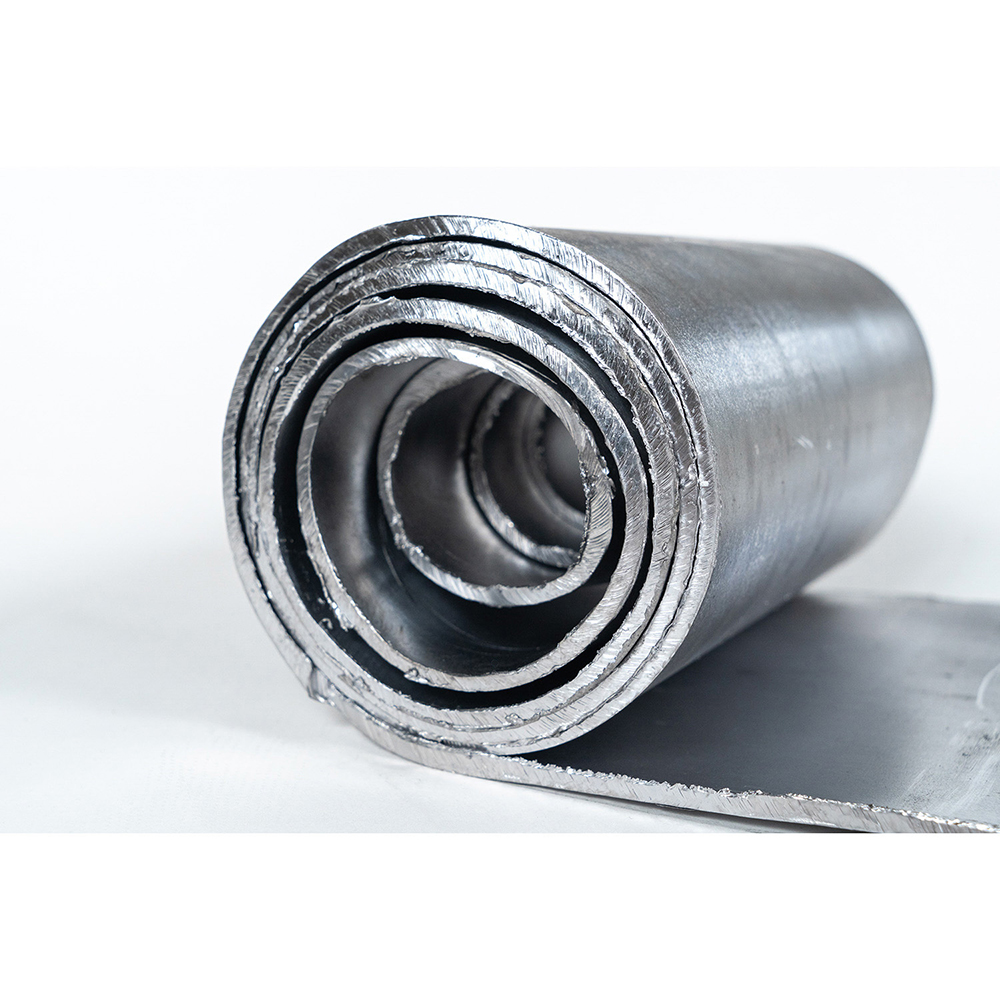


Lead Plate
ST-Shield
| Quantity: | |
|---|---|


This thickness range precisely covers the shielding requirements for medium-energy X-rays and scattered radiation:
A pure lead plate of 12mm is equivalent to 1.2-1.3mmPb, and 20mm is equivalent to 2.0 mmPb or more (specific values vary with radiation energy).
Wall and door protection of industrial X-ray/gamma ray inspection room
Shielding partitions in non-destructive testing (NDT) workshops
Suitable for 200-400kV industrial flaw detection equipment
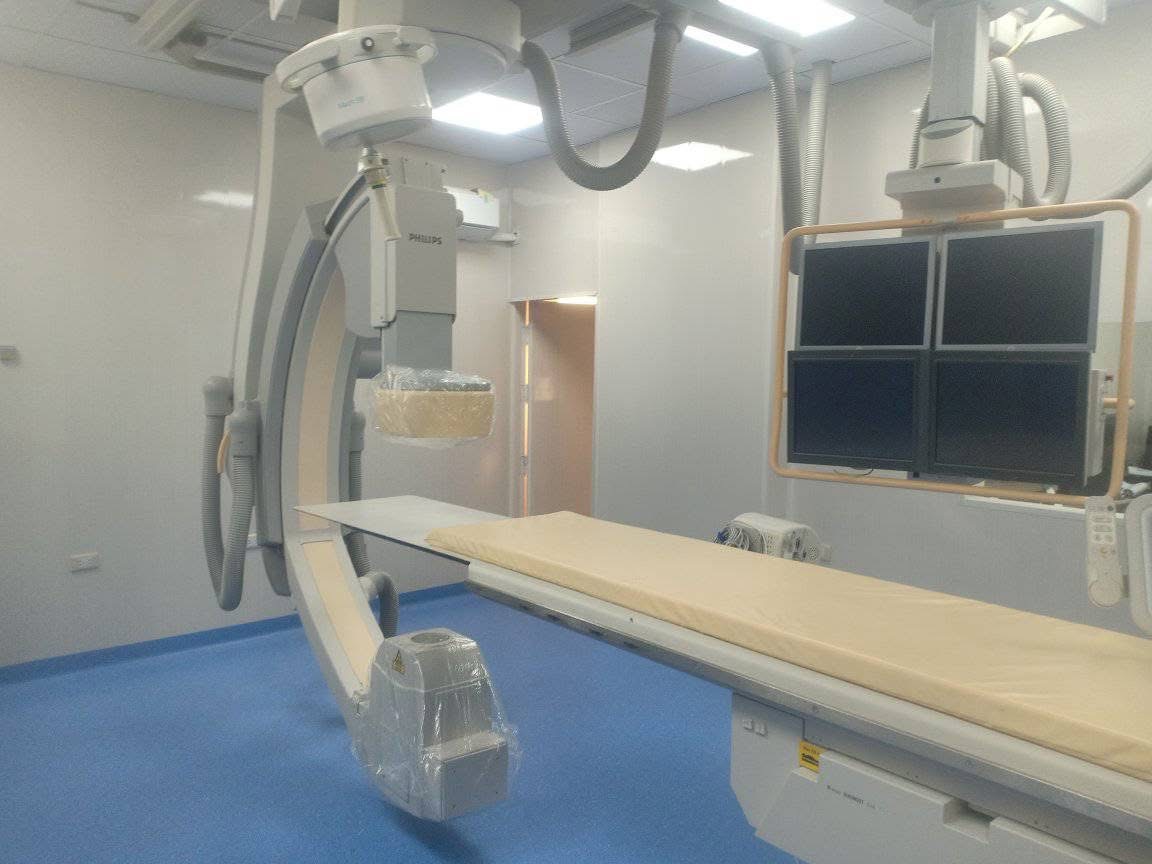
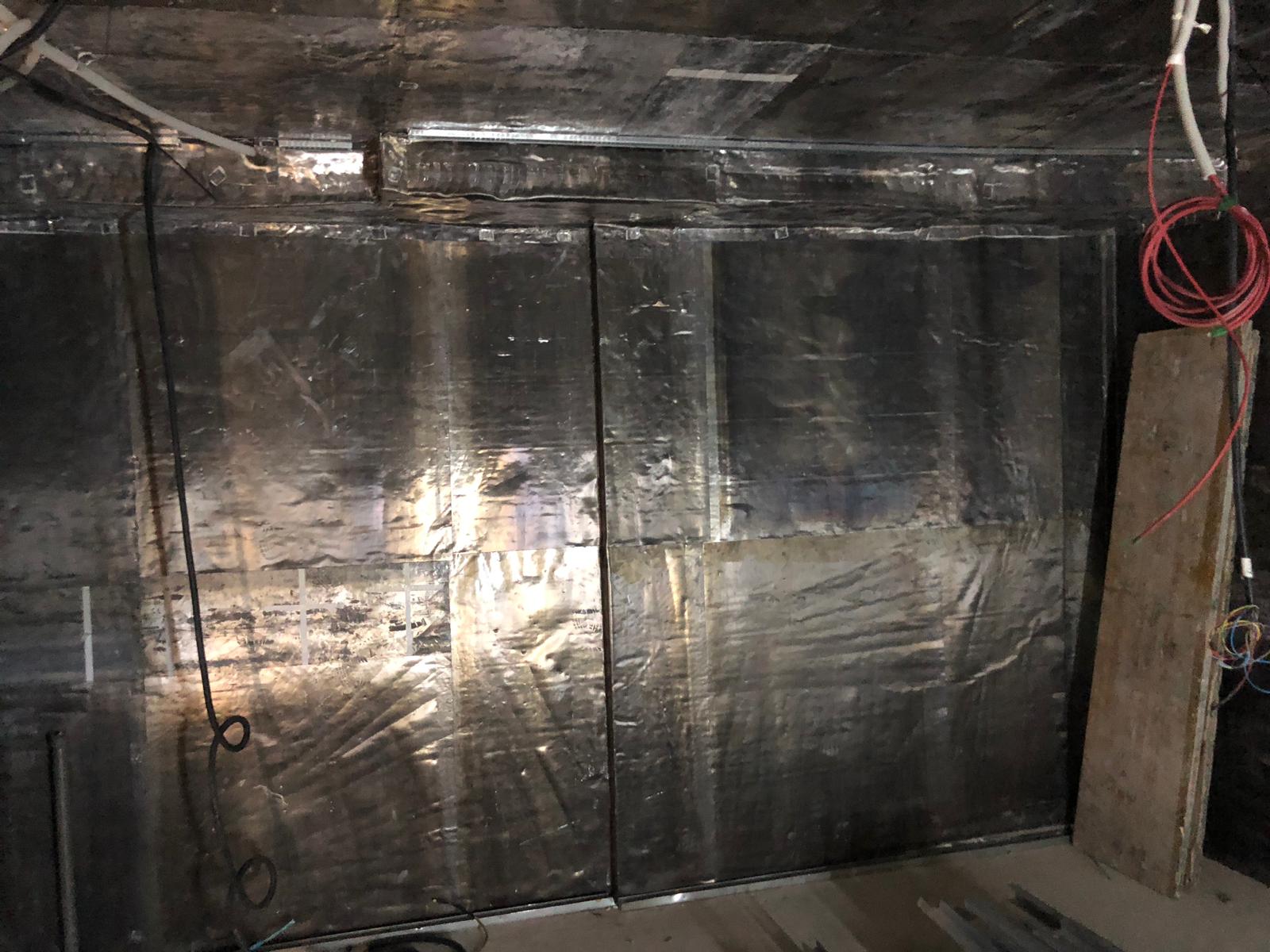
12-20mm lead plates are often processed into various composite protective components:
Lead door core plate: a layer of lead plate filled inside the lead door, matched with a steel structure shell
Lead screen/lead curtain skeleton: serving as the core shielding layer
Lead lined pipeline/tank: lining substrate for chemical acid resistant equipment

Lead Plate

Lead Door
Weight: Density 11.34 g/cm ³, 20mm lead plate weighs 227 kg per square meter, can be used for precision machinery, ships, elevators, etc
Sound insulation and shock absorption: Utilizing the high-density and damping properties of lead, it is used for sound insulation walls in computer rooms, subway tunnels, and other areas
Sulfuric acid storage tank/electrolytic cell lining: The chemical stability of lead makes it resistant to strong acid corrosion
Electroplating tank anode plate: 12-20mm thickness with both conductivity and durability

Weighted lead plate

Processed lead plate
When purchasing lead plates, standard specifications
Thickness: 0.5mm-600mm (commonly used: 1mm, 2mm, 3mm, 5mm, 10mm, 12mm, 15mm, 20mm, 30mm, 50mm, 60mm)
Width: Typically 1000mm -2000mm (customizable)
Length: Typically 2000mm -8000mm (customizable)
Maximum weight per sheet: limited by transportation, usually ≤ 5 tons/sheet
What is the situation when the surface of the lead plate turns black?
Don't worry, according to the properties of lead metal, we have tested that long-term exposure to air will generate a dark gray lead oxide film, which does not affect the protective performance.
If the lead plate joint is not handled properly, there may be radiation leakage
Its standard practice is:
Plate to plate overlap ≥ 50mm
Or use lead welding for sealing
Double layered staggered laying at critical locations
After installation, it is necessary to scan and accept with a radiation detector (leakage radiation ≤ 2.5 μ Sv/h)
Attention should be paid to on-site cutting or welding of lead plates:
Cutting: Mechanical sawing or hydraulic shearing, gas cutting is prohibited (due to the low melting point of lead, gas cutting will produce a large amount of toxic lead smoke)
Welding: Lead electrode oxygen welding is used, and the welder must hold a certificate to work
Protection: The site must be equipped with a forced exhaust system, workers must wear gas masks and lead rubber gloves, and continuous operation should be ≤ 2 hours
Our ST Shield can be customized according to your required size, reducing the time it takes for you to go back for rework cutting or welding and causing unnecessary harm to your body.


