

Views: 0 Author: Site Editor Publish Time: 2026-05-30 Origin: Site


Lead foil is a versatile material widely applied in medical, dental, industrial, and laboratory settings. Its dual functions include radiation shielding and fire assay lead foil for precious metal analysis. While X-ray and gamma-ray protection remains critical, fire assay is often the more frequent use in laboratories handling gold, silver, and other valuable metals.
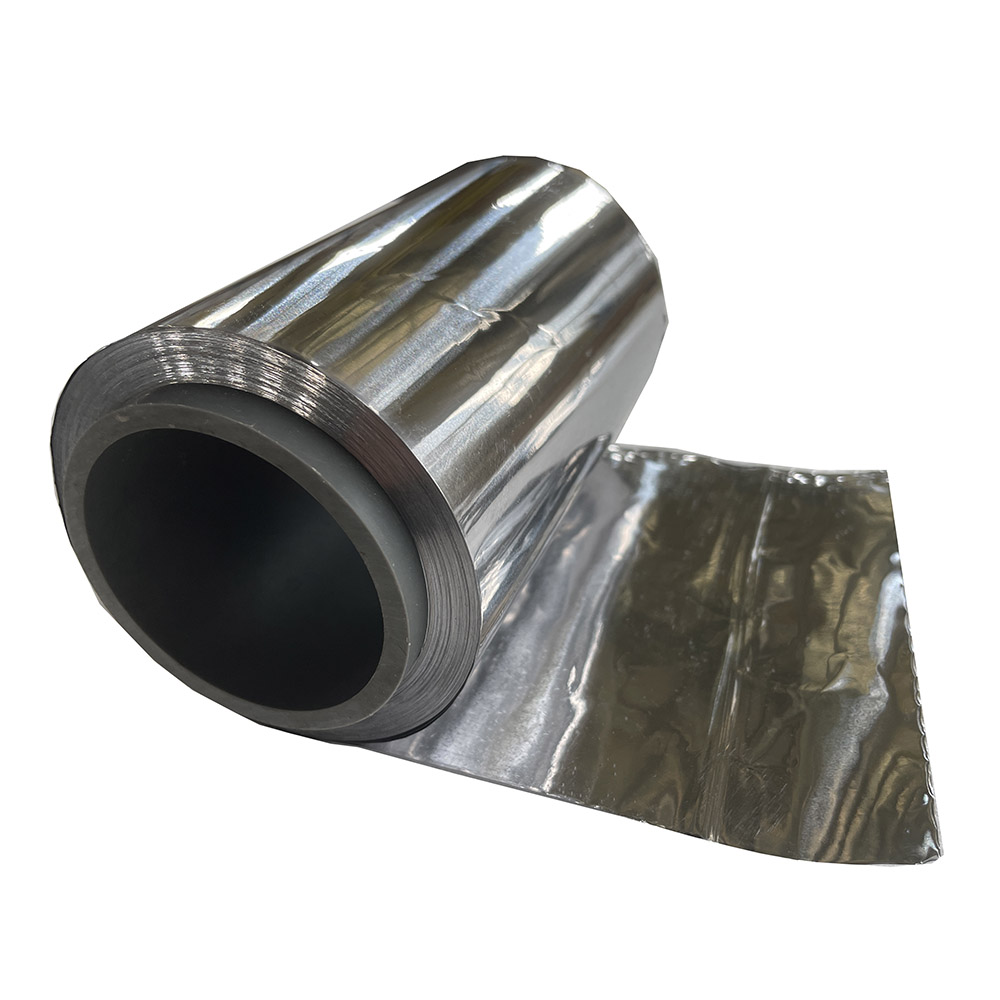
Lead foil is a thin, malleable sheet of high-purity lead. Its unique combination of high atomic number (Z=82), high density, chemical stability, and flexibility enables it to perform two seemingly different tasks effectively: attenuating harmful radiation and assisting in fire assay processes.
For shielding, lead foil provides targeted attenuation in tight or irregular spaces. For fire assay, it is used in sample preparation, forming lead buttons that collect precious metals during high-temperature fusion and cupellation.
Radiation shielding requires materials that reduce exposure to X-rays and gamma rays. Lead foil's dense atomic structure allows photons to interact through absorption or deflection. The inner electrons absorb low-to-medium energy photons, while Compton scattering deflects higher-energy photons, reducing their penetration and protecting human tissue and sensitive equipment.
High Attenuation: Even thin foil effectively absorbs and scatters X-rays and gamma rays.
Flexibility: Can wrap around irregular equipment or instruments without cutting rigid plates.
Cost Efficiency: Offers high shielding per millimeter with scrap value up to 80%.
Durability: Chemically stable, non-radioactive, and maintains performance for decades.
Lead foil is used in medical imaging rooms, dental clinics, industrial NDT labs, and research facilities. It is ideal for localized shielding around instruments, narrow gaps, and internal machine housings where rigid barriers are impractical.
Radiation interacts with lead foil via:
Photoelectric Effect: Inner electrons absorb low-to-medium energy photons, eliminating radiation energy.
Compton Scattering: Outer electrons deflect high-energy photons, reducing their energy and penetration.
Bremsstrahlung Considerations: High-energy beta particles may generate secondary X-rays; low-density pre-shields like plastics are needed first.
Fire assay is a classical method to determine precious metal content. Fire assay lead foil is a crucial laboratory consumable, more frequently used than shielding foil in certain labs. It provides a medium to wrap samples, support lead addition, and collect precious metals during fusion.
In a fire assay, lead foil helps form a lead button with the precious metals embedded. During cupellation, the lead oxidizes and is absorbed, leaving a bead of precious metal. Uniform foil thickness, purity, and softness are critical for reproducibility and accuracy in gold, silver, and ore analysis.
Ease of Handling: Wraps small samples securely, reducing loss.
Purity and Consistency: Minimizes contamination and ensures stable results.
Durable Packaging: Protects against dust, moisture, and impurities.
Application | Main Purpose | Key Requirements | Typical Users |
|---|---|---|---|
Radiation Shielding | Reduce X-ray and gamma-ray exposure | Density, lead equivalency, flexibility, proper installation | Medical facilities, laboratories, NDT companies, equipment manufacturers |
Fire Assay | Support precious metal sample preparation and analysis | Purity, uniform thickness, softness, clean surface, batch consistency | Mining labs, assay labs, refineries, metallurgical companies |
Select foil thickness based on radiation type and exposure conditions. Ensure proper seam overlaps, corner protections, and minimal gaps. Adhesive-backed or bonded foil reduces installation risks.
Select foil with high purity, uniform thickness, and softness for sample wrapping. Check packaging and batch consistency to maintain reproducible laboratory results.
Lead foil is not radioactive but is toxic if ingested or inhaled. Wear gloves, avoid dust, and ensure proper waste collection. In fire assay labs, proper ventilation, PPE, and handling are crucial. In shielding applications, collect scrap, clean work areas, and recycle according to regulations.
Lead foil effectively bridges two applications: radiation shielding and fire assay. Its high density, flexibility, and chemical stability make it ideal for X-ray and gamma-ray protection. Its purity, softness, and uniformity make it essential for accurate precious metal testing. Understanding the dual purpose ensures proper selection and maximizes its value in both industrial and laboratory settings.
Both. Shielding is common for radiation protection, while fire assay is frequently applied in laboratories analyzing precious metals.
It wraps samples, supports lead collection, and aids in high-temperature precious metal analysis for accurate determination of gold, silver, and other metals.
No. Effective for X-rays and gamma rays, but other materials are needed for neutrons and high-energy beta radiation.
For shielding: thickness, lead equivalency, installation method. For fire assay: purity, thickness consistency, softness, surface cleanliness, and batch stability.


