

Views: 0 Author: Site Editor Publish Time: 2026-03-23 Origin: Site


Radioactive waste can be dangerous. Poor storage increases safety risks.So where should it be stored safely? Proper shielding becomes essential.In many facilities, Lead Containers are used. They block radiation during storage and transport.In this guide, you will learn where radioactive waste should be stored safely.
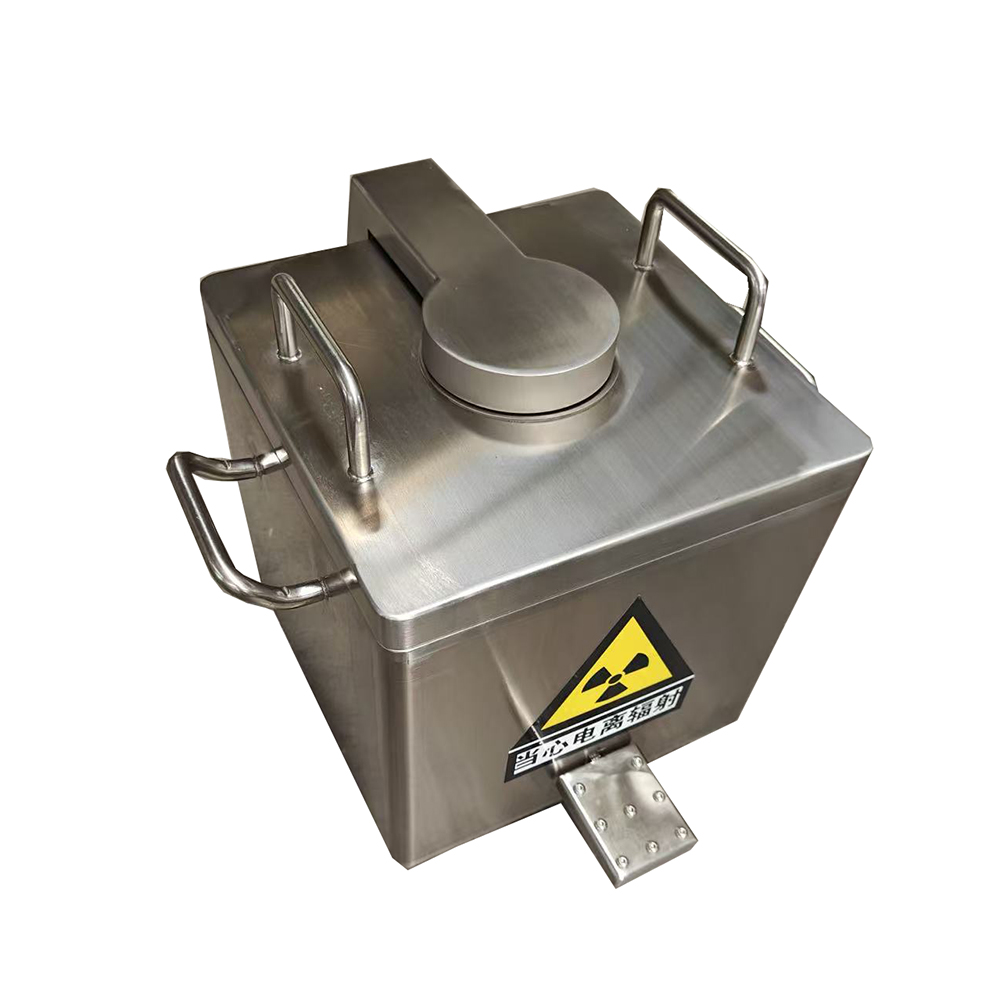
The location where radioactive waste is stored depends primarily on the type of waste, the intensity of radiation emitted, and the length of time the waste remains hazardous. In many cases, radioactive materials must first be stored temporarily before being transferred to long-term disposal facilities, and during these early stages, shielded containment systems are essential for preventing radiation exposure. Proper storage locations must include protective barriers, radiation monitoring systems, and controlled access to ensure safety standards are maintained at all times.
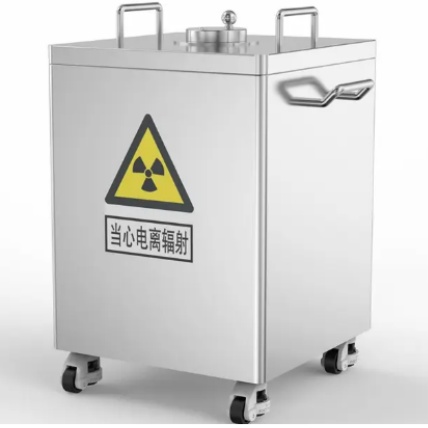
Temporary storage is often the first stage of radioactive waste management, especially in hospitals, laboratories, and industrial inspection facilities that generate small amounts of radioactive materials on a daily basis. Items such as contaminated medical supplies, laboratory equipment, diagnostic isotopes, or sealed radiation sources must be placed immediately into shielded containers to prevent radiation exposure to workers. Lead Containers are widely used for this purpose because their dense lead walls absorb radiation and prevent it from escaping into surrounding environments. These containers allow radioactive materials to be safely isolated until their radiation levels decrease or until they can be transferred to specialized waste management facilities.
ST-Shield Lead Containers are designed specifically for this application, combining high-purity lead shielding with durable outer materials that protect the container from mechanical damage or environmental factors. Their leak-proof design, reinforced walls, and secure closures ensure radioactive materials remain fully contained during storage and transport operations, making them ideal for nuclear medicine departments, research laboratories, and industrial radiography facilities.
Many facilities maintain dedicated on-site storage rooms designed specifically for radioactive waste containment. In hospitals, nuclear medicine departments often use shielded storage rooms where radioactive isotopes are kept until they decay to safe levels, while industrial facilities may maintain secure vaults for storing sealed radiation sources used in material testing. These storage areas typically include radiation shielding walls, restricted access controls, and monitoring equipment that continuously measure radiation levels to ensure safety standards are maintained.
In some regions, radioactive waste from multiple hospitals, laboratories, or industrial facilities is transported to centralized interim storage facilities. These specialized sites are designed to provide enhanced safety through advanced shielding structures, environmental monitoring systems, and strict security measures. Consolidating radioactive waste in centralized facilities reduces the risks associated with decentralized storage and allows regulatory authorities to monitor waste management practices more effectively.
Low-level radioactive waste generally contains relatively small amounts of radioactivity and may have shorter half-lives compared to other waste categories. Because of these characteristics, it can often be stored in near-surface disposal facilities where engineered barriers and protective coverings isolate the waste from the environment. Containers are placed in reinforced vaults or trenches and covered with layers of soil, clay, or concrete that act as additional protective barriers.
High-level radioactive waste, including spent nuclear fuel, requires long-term isolation because it remains hazardous for thousands of years. Deep geological repositories are designed to provide this level of protection by placing waste containers hundreds of meters underground in stable rock formations. These facilities rely on multiple protective barriers including engineered containers, sealing materials, and natural geological layers to prevent radiation leakage over extremely long time periods.
After nuclear fuel is removed from reactors, it is typically stored in cooling pools for several years before being transferred to dry storage casks. These casks are heavy steel and concrete containers designed to contain radiation while allowing heat generated by the fuel to dissipate safely. Dry cask systems are widely used as an interim storage solution until permanent disposal facilities become available.
All radioactive waste storage locations must comply with strict regulatory requirements established by national authorities and international organizations. These regulations define acceptable radiation exposure limits, storage facility design standards, and monitoring procedures to ensure that radioactive materials remain safely contained throughout their storage life cycle.
Lead has long been recognized as one of the most effective materials for radiation shielding because of its high density and atomic structure. When ionizing radiation passes through lead, a large portion of the radiation energy is absorbed or scattered, which significantly reduces radiation levels outside the shielding barrier. This property makes lead an ideal material for constructing containers used to store or transport radioactive materials.
The dense atomic structure of lead enables it to block high-energy radiation such as gamma rays and X-rays more effectively than most other materials. As radiation interacts with the lead surface, its energy is gradually absorbed and weakened, preventing it from escaping the container.
Handling radioactive materials often requires moving containers within facilities or transporting them to specialized waste management sites. Shielded containers ensure that workers remain protected during these operations by reducing radiation exposure levels.
Medical isotopes used in diagnostic imaging or cancer therapy frequently become radioactive waste after use. Storing these materials in shielded containers ensures they remain isolated until they decay to safe levels or can be transferred to authorized disposal facilities.
Advantages of Lead Containers Compared With Standard Containers
Feature | Benefit |
High-density lead core | Strong radiation attenuation |
Leak-proof construction | Prevents radiation leakage |
Durable exterior | Long service life |
Secure lid systems | Safe transport and storage |
ST-Shield Lead Containers also incorporate corrosion-resistant outer materials and reinforced structural designs that ensure durability even in demanding industrial environments.
Radioactive waste is generally categorized based on radiation intensity and heat generation, and each category requires a different storage approach to ensure safety and regulatory compliance.
Low-level waste typically includes contaminated tools, protective clothing, filters, or laboratory equipment containing small amounts of radioactive material.
Intermediate-level waste contains higher radiation levels and may require stronger shielding or encapsulation.
High-level waste includes spent nuclear fuel and materials produced during nuclear fuel reprocessing.
The classification of radioactive waste determines which containment systems and storage facilities are required for safe management.
Waste Type | Typical Storage Method |
Low-Level Waste | Near-surface disposal |
Intermediate-Level Waste | Shielded storage facilities |
High-Level Waste | Deep geological repositories |
Before permanent disposal, radioactive waste is often stored temporarily for several years while radiation levels decrease or until long-term storage facilities are available. Interim storage solutions include cooling pools for spent nuclear fuel, dry storage casks, and shielded container systems used for smaller radioactive materials.
Lead Containers remain one of the most practical solutions during this stage because they provide portable shielding that protects workers during handling and transport operations while ensuring radiation remains safely contained.
Permanent disposal systems must ensure radioactive materials remain isolated for extremely long periods of time. Deep geological repositories are widely considered the most reliable long-term solution because they combine engineered barriers with stable geological formations. These systems isolate radioactive waste far below the Earth's surface where natural rock layers act as protective barriers.
Lead containers significantly improve radiation safety by shielding workers from exposure during storage, transport, and handling operations. Their dense structure prevents radiation leakage and ensures surrounding environments remain safe.
Selecting the correct container design requires evaluating shielding thickness, structural strength, regulatory compliance, and container capacity. Facilities must ensure that containers are designed specifically for radioactive materials and meet all safety requirements.
International organizations such as the International Atomic Energy Agency (IAEA) establish guidelines that govern radioactive waste management. These guidelines define acceptable radiation limits, container certification standards, and facility monitoring requirements.
Radioactive waste needs safe storage systems. Shielding materials and containment protect people.Lead Containers block harmful radiation. They ensure safe handling and transport.Liaocheng ST Technologies Co., Ltd. provides durable shielding containers.Their products offer strong protection, secure storage, and regulatory compliance.
A: Radioactive waste is stored in shielded facilities or Lead Containers until disposal.
A: Lead Containers store radioactive sources safely by blocking harmful radiation.
A: Lead Containers prevent radiation leakage during storage and transport.
A: Yes. Lead Containers provide shielding ordinary containers cannot offer.
A: Lead Containers vary in price depending on size, lead thickness, and shielding level.

