Views: 0 Author: Site Editor Publish Time: 2026-03-18 Origin: Site


Radiation protects and risks. Imaging rooms must stay safe.A Lead Door blocks escaping radiation. But is it truly radiation-proof?In this guide, we explain how a Lead Door works. You will learn how to choose the right shielding solution.
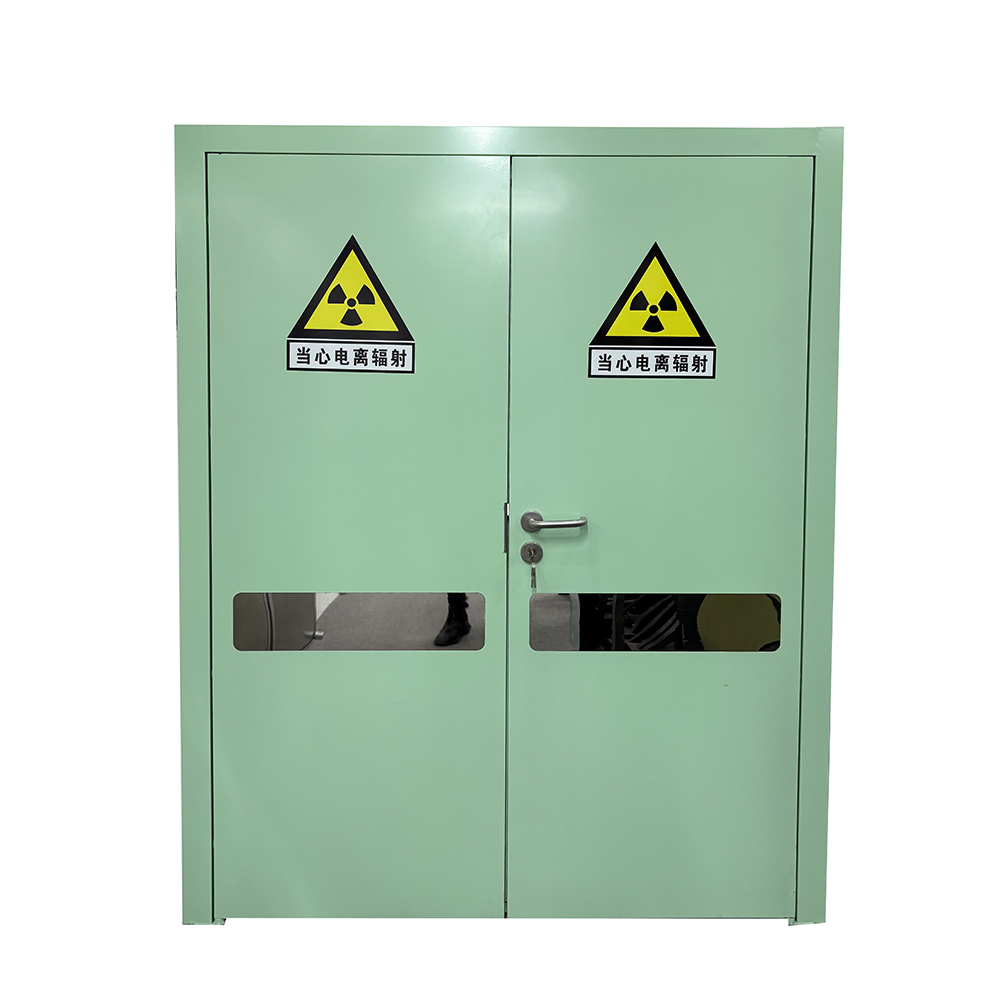
The question “Is a Lead Door radiation-proof?” is often misunderstood. In everyday conversation, the phrase radiation-proof suggests that no radiation can pass through the barrier under any circumstances. In real engineering practice, however, radiation shielding is measured by attenuation rather than absolute blockage. A properly engineered lead door significantly reduces radiation transmission so that exposure levels outside the controlled room remain within regulatory safety limits.
In radiation safety design, the goal is not to eliminate radiation entirely but to reduce it to a level considered safe for the environment outside the shielding barrier. For example, a hospital X-ray room may be designed so that radiation exposure outside the door remains far below the regulatory limits established for public areas. A well-designed Lead Door helps achieve this by absorbing most of the radiation energy before it leaves the imaging space.
Therefore, when people say a lead door is radiation-proof, they usually mean that the door meets the required shielding performance for its intended environment. The door is designed to attenuate radiation effectively, ensuring that surrounding rooms remain safe for normal occupancy.
The effectiveness of a Lead Door comes from the physical properties of lead itself. Lead is a dense metal with a high atomic number, which allows it to absorb and scatter radiation particles efficiently. When radiation waves encounter a lead barrier, their energy is reduced as they interact with the dense atoms within the metal. The thicker the lead layer, the more energy the radiation loses before passing through the barrier.
ST-Shield lead doors use high-density lead shielding materials that are integrated inside the door structure. These shielding layers are engineered to provide certified attenuation levels for X-ray and gamma radiation commonly found in medical imaging environments.
Several structural and environmental factors determine how effectively a Lead Door can reduce radiation transmission. These include the thickness of the lead shielding, the quality of the door frame, the design of door seals, the integration of vision panels, and the accuracy of installation. Even small structural gaps around the door opening can allow radiation to escape, which is why careful engineering and installation are essential.
Some low-cost doors simply place a sheet of lead inside a conventional door panel without addressing the surrounding components. In such cases, radiation can leak through areas such as the frame joints, hinges, glazing panels, or floor gaps. Over time, heavy doors may also sag if they are not supported by strong hinges or reinforced frames, creating additional openings where radiation could pass through.
Professional shielding manufacturers focus on eliminating these weak points through reinforced structures and carefully designed sealing systems.
A properly engineered Lead Door includes shielding elements beyond the door leaf itself. Door frames may contain lead lining, and overlapping edges ensure that the door leaf fits tightly against the frame. These overlapping structures eliminate “shine paths,” which are narrow pathways where radiation could travel through small gaps.
Radiation shielding doors are typically evaluated according to national or international safety standards. Radiation protection specialists may perform shielding calculations and verify the required lead thickness for each project. In many cases, shielding performance is inspected after installation to ensure the door functions correctly.
Even the best Lead Door cannot provide complete protection if the surrounding walls and structural elements are not shielded properly. Radiation protection must be treated as a complete architectural system that includes shielded walls, lead glass windows, protective frames, and correctly installed doors.
Understanding the construction of a Lead Door helps explain why it is such an effective shielding barrier in radiation environments.
Lead has been used for radiation shielding for decades because its density allows it to absorb radiation energy efficiently. When radiation particles collide with lead atoms, their energy is reduced or scattered, preventing them from passing through the material. This makes lead highly effective at blocking X-rays and gamma radiation used in medical imaging.
Most radiation shielding doors contain a lead sheet embedded within the door leaf. The outer layers may consist of wood veneer, laminate panels, stainless steel surfaces, or PVC coatings that provide durability and aesthetic finishes suitable for medical environments. Inside the door structure, however, the lead layer forms the main protective barrier.
ST-Shield lead doors incorporate precisely manufactured lead cores that ensure consistent radiation shielding across the entire door surface while maintaining structural stability and smooth operation.
Radiation leakage often occurs through small gaps around door edges. These gaps are called shine paths because radiation can travel through them even when the door contains sufficient lead thickness. High-quality shielding doors are designed to eliminate shine paths through overlapping door edges, shielded frames, and carefully aligned installation.
For a Lead Door to perform effectively, it must integrate seamlessly with the surrounding shielding materials used in the walls and windows. Vision panels in radiation doors typically use lead glass, which provides similar shielding performance to the door itself. When the door frame, glass panel, and wall lining all match the same shielding level, the entire room becomes a continuous protective barrier.
Shielding Component | Role in Radiation Protection |
Lead door leaf | Primary radiation barrier |
Shielded frame | Protects door edges |
Lead glass panel | Maintains visibility and shielding |
Wall lining | Completes room shielding system |
A shielding door performs best when it is designed together with the room’s overall radiation protection plan.
Many people assume that any door containing lead provides sufficient radiation protection. In reality, there is an important distinction between a simple lead-lined door and a fully engineered radiation protection doorset.
A standard Lead Door may contain a lead sheet embedded inside the door panel, but it may not include shielding elements in the frame or edges. This design can provide basic radiation attenuation but may leave potential leakage points around the door opening.
A radiation protection doorset is designed as a complete shielding assembly. It includes a lead-lined door leaf, shielded frame, protective glazing, and carefully engineered seals. This integrated design prevents radiation leakage around the entire doorway rather than only through the door surface.
Radiation-protective doorsets are engineered specifically for environments where radiation exposure is frequent or intense. By addressing all potential leakage paths, they provide more reliable protection and better long-term performance.
Radiation protection advisors evaluate shielding requirements and recommend the appropriate lead thickness and door design for each project. Their expertise helps ensure that the selected Lead Door meets regulatory safety standards.
The shielding performance of a Lead Door largely depends on the thickness of the lead used inside its structure.
Lead equivalency describes how much lead shielding is present in a barrier and is typically measured in millimeters of lead (mm Pb). This measurement allows engineers to compare different shielding materials and determine whether the barrier meets the required radiation protection level.
Lead Code | Lead Thickness (mm) |
Code 3 | 1.32 |
Code 4 | 1.80 |
Code 5 | 2.24 |
Code 6 | 2.65 |
Code 7 | 3.15 |
Code 8 | 3.55 |
Higher lead thickness values provide stronger radiation attenuation but also increase door weight.
The correct lead thickness depends on the energy of the radiation source and the room’s operational workload. For example, dental X-ray rooms typically require lighter shielding than CT imaging suites or industrial radiography rooms.
Increasing lead thickness improves radiation protection but requires stronger structural components. Heavy-duty hinges, reinforced frames, and durable door hardware are necessary to support the additional weight.
A Lead Door is installed wherever radiation must be contained within a specific room.
Hospitals and diagnostic centers commonly install lead doors in X-ray rooms, CT imaging suites, and fluoroscopy laboratories.
Facilities handling radioactive isotopes require shielding doors to prevent radiation from spreading into adjacent areas.
Scientific labs working with radiation sources rely on shielded doors to maintain safe working environments.
Industries using non-destructive testing equipment often require shielding doors in inspection rooms where radiation sources are used to examine materials.
ST-Shield lead doors are frequently used in these environments to help maintain radiation safety and regulatory compliance.
Installing a Lead Door offers several advantages beyond basic radiation protection.
The primary benefit is preventing radiation leakage into nearby areas.
Radiation safety regulations often require shielding barriers in controlled environments.
ST-Shield lead doors are built using reinforced frames, corrosion-resistant surfaces, and heavy-duty hinges to ensure long service life in busy medical facilities.
Many shielding doors are designed with smooth surfaces and durable finishes that support infection control standards in healthcare environments.
Selecting the correct Lead Door requires evaluating several technical factors.
Determine the type and intensity of radiation used in the facility.
Choose a lead equivalency that matches the shielding requirements calculated for the room.
Heavy shielding doors require professional installation and durable hardware.
Experienced manufacturers such as ST-Shield provide customized shielding doors with multiple sizes, finishes, and opening styles to match facility needs.
Selection Factor | Why It Matters |
Lead thickness | Determines shielding strength |
Door design | Affects usability and safety |
Frame structure | Prevents radiation leakage |
Manufacturer expertise | Ensures reliable shielding |
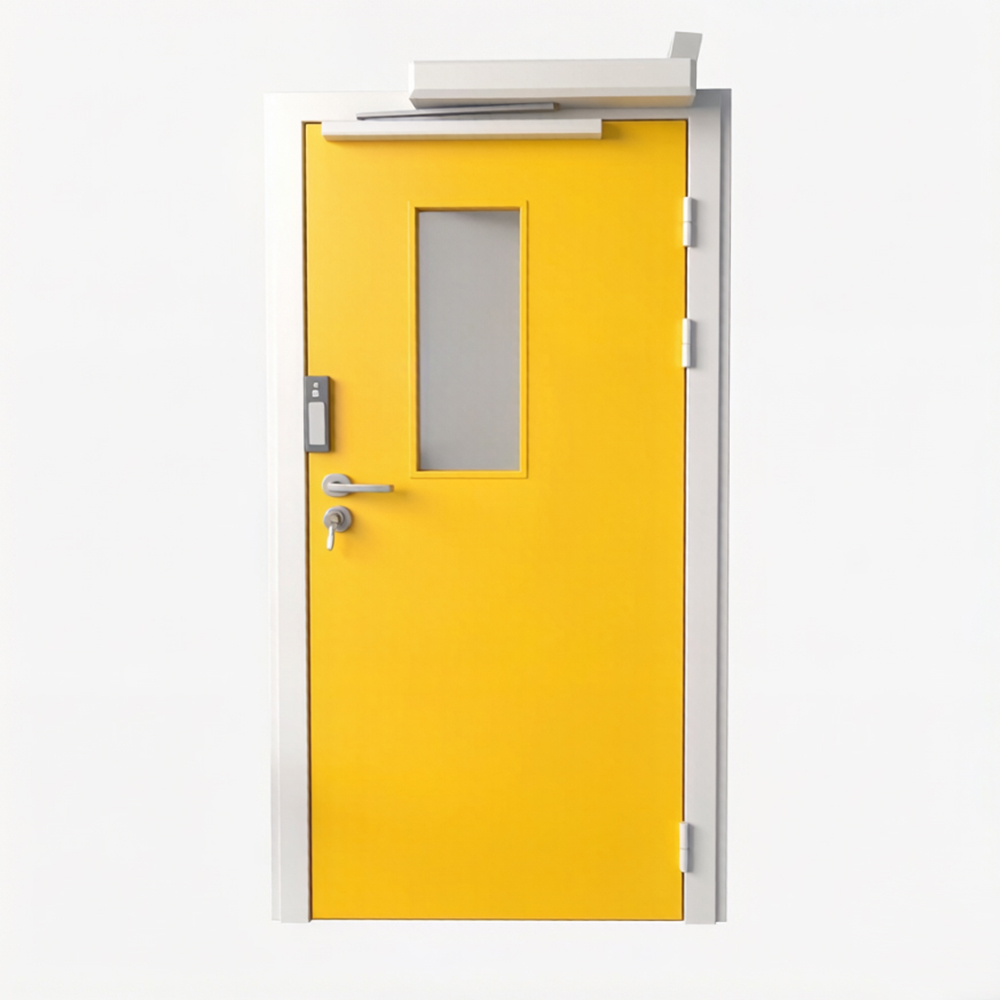
A Lead Door reduces radiation risk. It protects nearby rooms and staff.Proper thickness and design matter. Installation must match shielding systems.Liaocheng ST Technologies Co., Ltd. provides durable shielding doors.Their products ensure safety, reliable performance, and compliance.
A: A Lead Door greatly reduces radiation, keeping exposure outside the room within safe limits.
A: A Lead Door uses dense lead layers to absorb and weaken X-rays and gamma rays.
A: A Lead Door is widely used in X-ray rooms, CT suites, and nuclear medicine labs.
A: A Lead Door thickness depends on radiation level and shielding calculations.
A: Yes. A Lead Door provides shielding that ordinary doors cannot offer.