

Views: 0 Author: Site Editor Publish Time: 2026-06-09 Origin: Site


The right radiation lead sheet thickness is not a single number. It depends on the radiation source, installation structure, required lead equivalent, and daily handling needs. A medical shielding wall, a lead-lined door, a mobile barrier, and a fire assay laboratory all use lead material in different ways. That is why the question should not be answered with one fixed thickness. It should be answered by matching the product format to the application.
ST Shield lists its Lead Sheet as rolled metal lead with a specific gravity of 11.345g/cm3, common thickness from 0.5mm to 500mm, and product lead equivalent from 0.1mmpb to 50mmpb. These figures give buyers a wide specification range, but the practical choice still depends on where and how the material will be used.
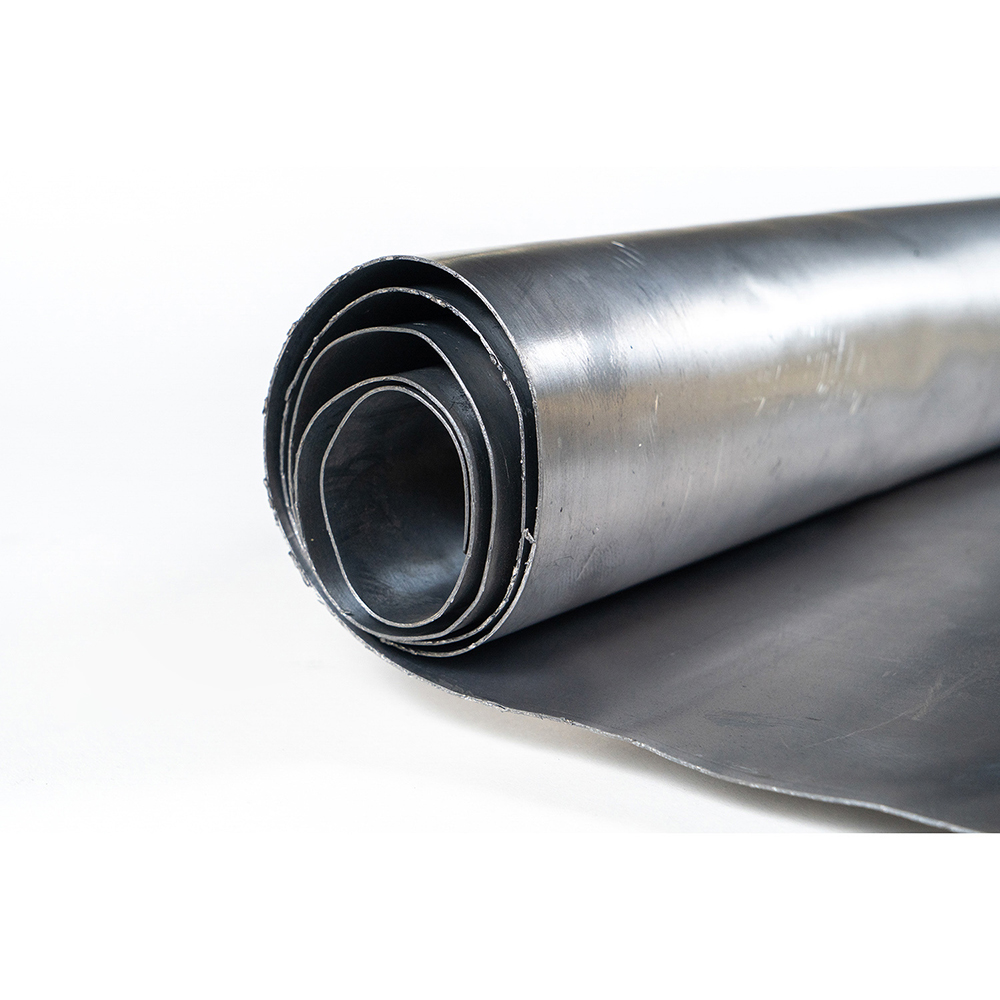
Physical thickness describes how thick the lead sheet is. Lead equivalent describes the shielding value that a material or shielding assembly provides. These two ideas are related, but they are not always identical in a completed installation. A sheet can be thick enough on paper, yet the final shielding result can still suffer if gaps, joints, holes, or poor overlaps remain after installation.
For radiation shielding, the most important issue is continuity. The lead layer must cover the weak points in walls, doors, frames, windows, cable openings, and equipment interfaces. A project that only focuses on a nominal sheet thickness can miss these practical details. A better specification includes the target lead equivalent, sheet size, overlap method, mounting location, and any field cutting requirements.
An X-ray room wall may require a flexible sheet that can be installed behind gypsum board. A shielding door may need lead integrated into a larger door structure. A mobile screen may need enough protection without making the unit too hard to move. A heavy protective enclosure may use thicker plate-like material. Each use changes the best thickness range.
In radiation protection, buyers usually begin with a shielding report or project drawing. That document should identify the required lead equivalent. The supplier can then help connect the required protection level with a practical lead sheet format. This approach is safer than choosing thickness by habit.
For wall lining, installers need to consider sheet overlap and the way panels meet at corners. For lead-lined doors, they need to examine hinges, handles, thresholds, and observation windows. For equipment shielding, space limits may decide whether a thinner sheet, composite panel, or thicker local shield is more practical. The finished assembly matters as much as the raw sheet.
Thinner lead sheet is easier to cut, bend, and fit behind finished surfaces. It can be useful when a project needs broad coverage across walls or panels. However, thin material should be handled carefully because lead is soft. It can crease, dent, or stretch if dragged across a rough surface.
Medium sheet often works well where the buyer needs a balance between protection and handling. Heavy sheet or plate-like lead material may be used where local attenuation must be stronger or space is limited. These formats require better planning for lifting, support, transport, and anchoring.
Fire assay users think about lead differently from shielding contractors. They often care about how the material folds, cuts, weighs, wraps, or handles in repeated laboratory work. In this context, thin-gauge terms such as 0.02mm lead foil, 0.1mm lead foil, and 0.15mm lead foil help describe flexibility and handling behavior.
A 0.02mm lead foil may be discussed when a laboratory needs a very thin, delicate wrapping material. A 0.1mm lead foil can offer more body while remaining easy to cut and fold. A 0.15mm lead foil gives slightly more stiffness for users who want thin material but do not want it to feel too fragile. These examples are useful communication terms, not automatic recommendations for every assay routine.
Will the material be used as sheet, roll, strip, or pre-cut pieces?
Does the user need 0.02mm lead foil, 0.1mm lead foil, 0.15mm lead foil, or another gauge?
Will the foil be folded, wrapped, weighed, or stored for repeated bench use?
Does the laboratory require special packing to avoid creasing or contamination?
Application | Main concern | Specification focus |
|---|---|---|
X-ray room wall | Continuous coverage | Lead equivalent, sheet size, overlap |
Lead-lined door | Weak-point protection | Core layer, frame, threshold, handle area |
Equipment shield | Local attenuation | Available space, fixing method, sheet or plate |
Fire assay foil | Flexible handling | 0.02mm, 0.1mm, 0.15mm, roll or sheet |
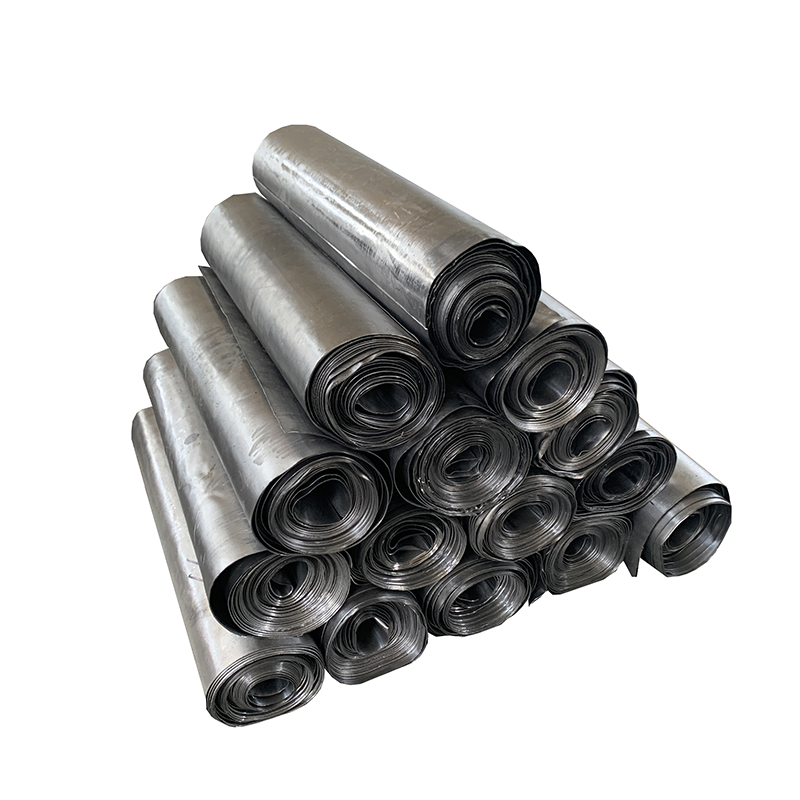
Lead sheet is dense and soft, so handling method matters. Thin foil should be protected from creasing. Sheet material should not be dragged over abrasive surfaces. Heavy plate needs safe lifting support. During storage, the product should remain clean, dry, and protected from mechanical damage. Workers should also follow local lead handling and hygiene rules.
Lead sheet and lead foil are often purchased for repeated work, so consistency matters. A hospital project may need several batches to match the same shielding plan. A laboratory may need the same foil behavior from one order to the next. Buyers should therefore discuss tolerances, roll width, sheet dimensions, surface condition, and packing style before confirming the order.
For sheet material, packaging should prevent edge damage, surface scratches, and deformation during transport. For thin foil, packaging should prevent creasing and keep the material easy to dispense. If the product will be used in a clean laboratory routine, the buyer may also need to ask how the product is wrapped and labeled. Good communication reduces the chance of receiving material that is technically correct but inconvenient to use.
A contractor building an X-ray room may start with the shielding drawing, identify the required lead equivalent, and select lead sheet size based on wall layout. The installer then plans overlaps, outlet protection, and joints. This buyer is not primarily thinking about foil flexibility. The focus is continuous protection and practical installation.
A fire assay laboratory may begin from a completely different point. The team may test whether 0.02mm lead foil is too delicate for daily handling or whether 0.1mm lead foil gives a better balance between flexibility and control. Another lab may prefer 0.15mm lead foil because it holds its shape more confidently during repeated preparation. These decisions are based on bench workflow rather than wall shielding.
A manufacturer building protective equipment may need lead sheet that can be laminated, folded, or integrated into another structure. This type of buyer should discuss processing conditions, bending radius, bonding method, and final inspection. Lead sheet is workable, but it still needs a realistic production plan.
ST Shield lists common thickness from 0.5mm to 500mm and product lead equivalent from 0.1mmpb to 50mmpb.
No. Thin lead foil is usually discussed for flexible handling and laboratory use, while radiation lead sheet is usually selected for shielding coverage and lead equivalent.
Those thickness terms help describe how thin, flexible, or workable the foil should be during wrapping, cutting, and sample preparation.
No. The correct thickness depends on the radiation source, room layout, lead equivalent requirement, and installation design.
Radiation lead sheet thickness should always be chosen from the application backward. Shielding projects should focus on lead equivalent and installation continuity, while fire assay users should focus on foil gauge, workability, and clean handling. ST Shield's Lead Sheet page is the right internal reference for this topic because it directly supports both thickness and lead equivalent discussions.


