Views: 0 Author: Site Editor Publish Time: 2026-02-04 Origin: Site


Folding a Lead Screen sounds simple. It often isn’t.
These screens feel solid. They still shift, pinch, or tip fast.
So we use one repeatable method. It saves time. It reduces damage risk.
Storage space stays tight. You need a smaller footprint.
Transport happens often. Hallways and elevators feel narrow.
Cleaning needs access. You want clear edges and corners.
Room layouts change daily. We fold, park, then unfold again.
Some units do not fold. No hinges. No latches. No planned fold line.
In those cases, don’t force it. Park it upright. Lock the wheels.
Other times, folding adds risk. Crowded rooms. Sloped floors. Busy traffic.
| Situation | Better choice | Why it helps |
|---|---|---|
| Hinged, multi-panel Lead Screen | Fold and latch | Designed for compact storage |
| Single rigid panel, no hinges | Park upright | Avoids creasing or frame stress |
| High foot traffic nearby | Wait, then fold | Reduces tip-over and collision risk |
| Uneven floor or ramp | Move to level area | Keeps balance during folding |
Creases in protective layers. They can worsen over time.
Hinge strain from misalignment. It leads to sticky folding.
Gaps between panels after poor folds. Coverage feels inconsistent.
Tip-over from unlocked casters. It happens more than people admit.
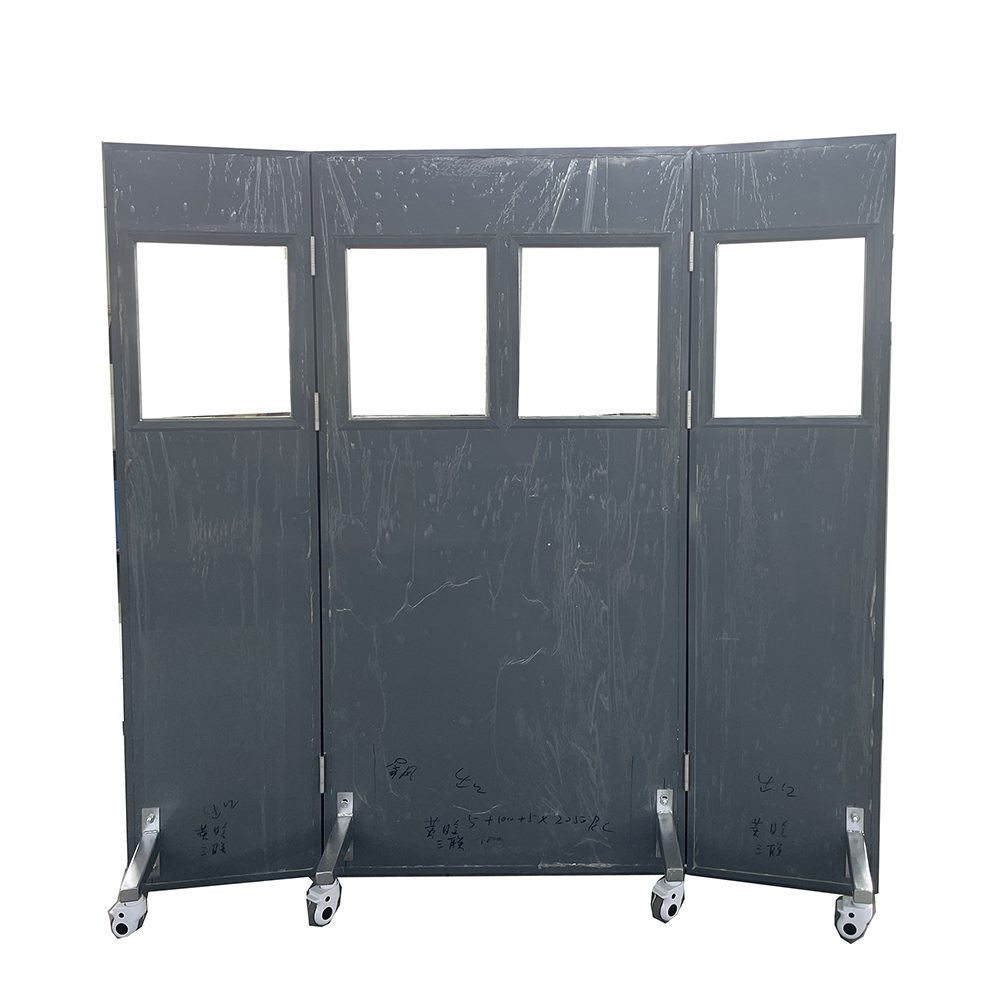
A Lead Screen is a movable radiation barrier. It blocks scatter. It protects staff.
They come in a few common forms. Folding steps depend on the type.
This one looks like a tall shield on wheels. It rolls easily.
It usually does not “fold.” It just parks in a corner.
This is the classic accordion style. Panels connect by hinges.
It folds into a compact stack. It often includes latches or straps.
Some models change height or angle. Knobs and posts appear on the frame.
Before folding, we set it neutral. We lower moving sections first.
These can “collapse” in parts. They rarely fold like an accordion.
Think reposition and park. Not panel-by-panel folding.
These use drapes or curtains. Folding sharp creases feels risky.
Many setups prefer rolling or hanging storage. Keep it smooth.
Hinges + panel seams → you likely have a folding Lead Screen.
One solid panel → park it. Folding probably not intended.
Knobs or telescopic posts → lower and lock parts first.
Drape or curtain → store flat or hung. Avoid hard creases.
Let’s be real. These units can be heavy. They can bite fingers too.
So we slow down. We control the base. We keep hands safe.
Pinch points near hinges. Fingers slip in. Panels close fast.
Tip-over during half-fold. Center of gravity shifts suddenly.
Runaway rolling from unlocked wheels. It surprises you.
Wear gloves for grip. It helps on smooth coatings.
Closed-toe shoes. Panels and frames can drop or swing.
Keep sleeves tidy. Loose fabric snags on latches.
Give yourself space. One to two meters helps a lot.
Remove cords, pedals, and carts. They catch casters easily.
This is the habit to keep. It prevents most “oops” moments.
Lock both sides. Test by pushing lightly. It should not roll.
Lock casters. Confirm no rolling.
Clear a wide working zone.
Keep fingers off hinge lines.
Fold slowly. No slamming panels.
Keep panels vertical, not leaning.
Use two people for large units.
Stop if a hinge binds.
Avoid new bend lines on lead-lined areas.
Latch or strap after folding.
Park on level floor. Re-lock wheels.
A clean fold starts earlier. Prep reduces friction. It prevents misalignment.
Check hinges. They should move smoothly.
Check frame screws. Loose fasteners cause wobble.
Test caster brakes. They must lock firmly.
Look for latch damage. Bent latches fail under load.
Hinges usually mean yes. A solid frame often means no.
If you feel resistance, stop. Don’t “muscle it” into position.
Clips, hooks, and hanging tools
Temporary labels near hinge edges
Anything taped near a latch
Lower adjustable sections. Tighten knobs again. Keep them stable.
It prevents shifting during the fold. It feels safer too.
| Item | Why it helps | When to use it |
|---|---|---|
| Soft strap | Keeps folded stack closed | No built-in latch present |
| Corner protectors | Prevents edge scuffs | Frequent transport |
| Storage cover | Reduces dust and scratches | Long-term parking |
| Direction label | Prevents wrong fold sequence | Shared staff usage |
This section covers the common hinged Lead Screen design.
If yours has hinges and panels, this is your step-by-step.
Place it on level flooring. Lock wheels. Test again.
We want a stable base. Folding shifts weight quickly.
Stand the screen upright. Bring panels into a straight line first.
Alignment reduces hinge stress. It also keeps the stack tidy.
Pick one end panel. Swing it inward slowly.
Keep hands on the frame, not the hinge line.
Fold the next panel inward. Keep the stack centered.
If it pulls sideways, pause. Re-align. Then continue.
Don’t lean panels forward. Don’t drag corners on the floor.
Vertical control protects edges. It also prevents sudden tipping.
Close the latch. Add a strap if needed.
It stops spring-back. It keeps storage safer.
Gently push the folded stack. It should feel solid.
Lock wheels again. Park it where people won’t bump it.
2-panel Lead Screen: fold like a book. Then latch.
3-panel Lead Screen: fold both wings inward. Keep center last.
4+ panels: alternate folds. Keep the stack balanced.
Folding while wheels stay unlocked
Letting panels slam shut
Forcing a hinge when it binds
Grabbing the hinge gap
Dragging corners across thresholds
Lock → Align → Fold one panel → Re-align → Fold next → Latch → Park
Some portable Lead Screen designs use a flexible ring frame. It behaves like a pop-up reflector. It wants to spring open. We guide it into a neat stack. Slow hands. Calm moves. It folds cleanly.
Hinged panels fold like an accordion. We already covered those steps.
Spring-frame units collapse into circles. They twist, then stack.
Rigid single panels usually do not fold. They park upright.
Hold the frame at two opposite edges. Bring them together. It forms a long oval. People call it a taco shape. Keep the frame vertical. It stays controllable. Your wrists stay safer.
Stand the Lead Screen upright. Keep it off the floor edges.
Grip left and right sides. Hands on the outer ring, not the fabric seam.
Push one hand forward. Pull the other hand back. A gentle twist starts.
Let the ring fold into two loops. Guide them so they line up.
Stack into three circles. Keep pressure even. No sudden bends.
Slide it into its bag. Use a slow “feed” motion. No forcing.
Front hand → goes forward
Back hand  → comes back
Ring makes a figure-8
Figure-8 stacks into circles
Reverse the twist direction. It often fixes everything.
Lift the far edge higher. It reduces snagging at the seam.
Use smaller motions. Big twists cause uneven stacking.
| Problem | What you notice | What to do |
|---|---|---|
| Frame springs open | Loops won’t stay stacked | Keep one knee near the stack, then bag it fast |
| Uneven circles | One loop larger | Reset to taco shape, then twist again |
| Seam feels stressed | Fabric pulls tight | Move hands to the ring. Reduce torque |
No. We should say it plainly. A Lead Screen only folds where engineers planned it. Hinges exist for a reason. New bend lines create long-term trouble. It might look fine today. Damage can grow quietly.
Hinges, pivot arms, folding frames. Those areas handle motion.
Solid lead-lined panels. Avoid bending. Avoid creasing.
Edges and corners. They crack easier. They take impacts.
Lead-lined products often rely on encapsulation or layered build. A hard crease can stress layers. Small splits can form. They spread later. You might not see it right away. So we keep bends gentle. We keep folds on the hinge line only.
If it has hinges and latches, fold it.
If it lacks hinges, park it upright.
If it resists, stop. Re-align. Try again. No brute force.
Storage decides lifespan. A good fold helps. A bad parking spot ruins it. We want stability. We want clean surfaces. We want no pressure points.
Upright storage suits most folding Lead Screen designs.
Flat storage can stress frames. It also invites stacking abuse.
No heavy items leaning on it. No tight strap crushing edges. No “temporary” boxes on top. Those habits create dents. They never fully disappear.
A cover reduces dust. It also blocks scuffs. It helps during janitorial work. Small bumps happen. The cover takes the hit.
Folded and latched. No spring-open risk.
Casters locked. Test by nudging the base.
Parked on level flooring. No slope.
Edges protected. Corner guards help in tight rooms.
Cover on. Label it for fast ID.
| Storage habit | Risk | Better habit |
|---|---|---|
| Leaning it on a wall | Tip, frame twist | Upright, wheels locked |
| Strap pulled too tight | Edge compression | Snug strap, no crushing |
| Stored near door swing | Impact damage | Park in a low-traffic corner |
Moving a folded Lead Screen looks easy. It can roll fast. It can clip door frames. So we steer it like a heavy cart. Slow pace. Eyes up. Hands on the frame.
Angle the leading corner first. Clear the latch side.
Push from the solid frame. Avoid pushing on seams.
Use short moves. Re-center after each threshold.
Ramps add risk. Gravity wins. So we keep it uphill from us. One person controls the roll. Another person guides the top. If you work solo, avoid ramps. Find a level path.
Pad corners. Foam or blankets work well.
Tie it to anchor points. Prevent sliding.
Keep it upright if possible. Frames prefer it.
No stacking on top. Even “light” boxes can dent edges.
LOW RISK   → level floor, wide halls
MEDIUM     → door thresholds, tight turns
HIGH RISK  → ramps, crowded areas, uneven flooring
Cleaning keeps surfaces safe. It also keeps hinges working smoothly. We keep it simple. We wipe. We dry. We avoid harsh abrasion.
After daily use. Especially in clinical spaces.
Before long storage. Dust loves seams and latches.
After transport. Hallways add grime fast.
Park the Lead Screen on level flooring. Lock casters.
Start at the top. Work downward. Drips go one direction.
Clean handles, edges, latch points. People touch those most.
Wipe hinge areas gently. Remove residue. Avoid soaking.
Dry it fully. Moisture near hardware causes stiffness later.
Sticky buildup makes latches misbehave. Hinges feel gritty. So we finish dry. A clean cloth pass helps. It takes one minute. It saves future frustration.
| Area | Why it matters | Cleaning focus |
|---|---|---|
| Handles | High touch | Wipe twice, then dry |
| Hinges | Motion area | Light wipe, no pooling liquid |
| Casters | Tracks dirt | Remove hair, debris, then test brake |
Most folding issues come from alignment. Not “bad design.” We fix the basics first. Then we decide service or stop-use.
Move to level flooring. Slopes twist the base.
Unfold fully. Re-square the frame. Then fold again.
Check hinge screws. Loose hardware causes drift.
Misalignment usually causes it. Fold sequence might be off. Reset. Start again. If a latch looks bent, stop forcing it. Replace it. A failed latch can spring open later.
Clean the wheel. Debris blocks braking surfaces.
Test each brake. Replace worn wheels early.
Keep a “bad caster” tag. It helps staff avoid surprises.
Stack balance often causes it. Re-fold using an alternating sequence. Keep the stack centered over the base. If it still rocks, inspect the frame. Don’t ignore it.
Cracks, delamination, bubbling, or loose lead-lined sections
Hinge deformation, grinding, or sudden stiffness
Frame twist you can see from two meters away
Maintenance sounds boring. It prevents downtime. It also keeps the Lead Screen predictable. Predictable means safer.
Wipe surfaces. Dry latch zones.
Test brakes. Confirm no rolling.
Inspect hinges. Listen for squeaks or clicks.
Remove caster debris. Hair, tape, dust build quickly.
Check fasteners. Tighten loose screws.
Verify stability. Push test on level flooring.
Use a formal inspection protocol. Especially in regulated environments. Keep records. They help audits. They also help replacement planning.
| Date | Check | Status | Action |
|---|---|---|---|
| YYYY-MM-DD | Casters lock | OK / Fix | Clean / Replace |
| YYYY-MM-DD | Hinges move | OK / Fix | Tighten / Service |
| YYYY-MM-DD | Latch holds | OK / Fix | Adjust / Replace |
If you buy the right Lead Screen, folding feels easy. If you buy the wrong one, it becomes daily friction. We match the screen to the room. Not the other way around.
Folding Lead Screen fits tight storage. Great for small rooms.
Single panel feels more rigid. Good for simple parking spots.
Door width and hallway corners
Parking area footprint
Coverage zone around the procedure area
Panel count. More panels, smaller folded footprint. More hinges too.
Handle placement. Better control during moves.
Caster quality. Smooth rolling. Strong brakes.
Edge protection. Helps during transport and storage.
| Need | Good choice | Why it works |
|---|---|---|
| Tight storage | Xray Shielding Lead Screen (multi-panel options) | Compact folded stack |
| Quick height changes | Adjustable Lead Shielded Screen | Fits varied workflows in one room |
| Daily mobile use | Mobile Adjustable Lead Shielding Screen Equipped with Universal Wheels | Smoother moves, safer stops |
| General X-ray shielding tasks | Radiation Protection Xray Shielding Lead Screen | Clear specs, configurable options |
Sometimes, yes. Small folding units allow it. Large multi-panel screens often need two people. We care about tip risk. We care about pinch points. If it feels unstable, ask for help. It saves accidents.
Lock wheels. Keep panels vertical. Fold one panel, then re-center the stack. Alternate folds. Keep weight over the base. Don’t rush the last fold. That step shifts the center of gravity most.
Either can work. In busy areas, fold first. Reduce footprint. Then wipe. In cleaner rooms, wipe first. Remove contamination. Then fold for storage. Pick one routine. Train everyone. Consistency prevents mistakes.
Improper folding can. Sharp creases, forced bends, impacts, hardware damage. Those issues can degrade protective layers. Proper hinge-line folding avoids most of it. Gentle handling matters more than people expect.
Yes. Keep fingers off the window edge. Avoid pressure on the window frame. Fold slowly near that section. Windows can loosen after repeated impacts. So we treat it like a “fragile zone.”
Park it upright. Lock casters. Use a cover. Keep it out of door swing areas. Avoid leaning heavy items on it. This method protects the panel. It keeps the frame straight.
Snug, not crushing. You want it closed. You don’t want edge dents. If the strap leaves marks, it is too tight. Use a wider strap if needed. Wider pressure feels kinder to edges.
Angle the leading corner. Push from the frame. Use short moves. Re-center after each threshold. If the doorway feels tight, get a spotter. They protect edges. They protect people too.
Replace them when brakes slip, wheels wobble, or rolling feels rough. Time varies by use. High traffic wears faster. A simple rule helps. If staff complains twice, inspect it. Small fixes prevent big incidents.
Folding a Lead Screen gets easy once you follow the same rhythm. Lock wheels. Align panels. Fold slowly along hinges. Latch it. Park it on level flooring. Then clean, dry, cover. Those steps protect the unit. They also protect your team.
Lock casters. Clear the area.
Align the screen fully upright.
Fold along hinges. One panel at a time.
Latch or strap. Confirm it stays closed.
Park level. Lock wheels again.
Wipe, then dry. Cover for storage.