Views: 0 Author: Site Editor Publish Time: 2026-03-30 Origin: Site


Radiation exists in many labs. Workers need reliable protection.Tungsten shielding is widely used today. It offers strong and compact protection.Devices like Tungsten Alloy Syringe Shielding help staff handle radioactive doses safely.
In this article, you will learn how to choose tungsten shielding for safer radiation work.
Tungsten has become one of the most important materials in radiation protection technology because it combines several properties that are essential for effective shielding. Compared with many traditional materials, tungsten provides higher density, greater durability, and improved environmental safety, making it suitable for both permanent shielding structures and compact handheld protection devices.
One of the primary reasons tungsten performs so well in radiation shielding applications is its extremely high density. Tungsten has a density of approximately 19.25 g/cm³, which is significantly higher than most common shielding materials. Because radiation particles lose energy when interacting with dense atomic structures, tungsten is highly effective at attenuating X-rays and gamma radiation. When ionizing radiation strikes tungsten atoms, much of its kinetic energy is absorbed or scattered, greatly reducing the amount of radiation that passes through the material.
This strong attenuation capability makes tungsten particularly valuable in nuclear medicine environments where high-energy gamma radiation is frequently encountered. In applications such as PET imaging, radiopharmaceuticals emit gamma rays that must be controlled carefully to protect healthcare professionals. Tungsten shielding allows these radiation levels to be reduced effectively without requiring excessively thick or heavy protective equipment.
Another advantage of tungsten is its ability to provide strong shielding performance within a compact structure. Medical laboratories and imaging departments often operate in spaces where equipment placement must be carefully planned to maintain workflow efficiency. Traditional shielding materials sometimes require thick layers to achieve adequate protection, which can increase equipment size and weight.
Because tungsten is denser than most alternatives, it allows manufacturers to design smaller shielding components while maintaining strong radiation attenuation performance. Devices such as Tungsten Alloy Syringe Shielding, collimators, isotope containers, and imaging system components all benefit from this compact shielding capability. Smaller shielding devices improve usability while still maintaining high levels of radiation protection.
Environmental and occupational safety considerations have become increasingly important in healthcare environments. Lead has traditionally been used as a radiation shielding material, but it is a toxic heavy metal that can pose environmental and health risks if not handled properly. Lead products often require special disposal procedures and strict regulatory controls.
Tungsten offers an important advantage in this regard because it is non-toxic and environmentally stable. Tungsten alloys do not produce hazardous dust or contamination during normal use, making them more suitable for hospitals and laboratories that prioritize environmental safety. As healthcare regulations become stricter regarding hazardous materials, many facilities are gradually transitioning from lead shielding to tungsten-based alternatives.
Tungsten is also one of the most durable metals available. It has the highest melting point of any metal, exceeding 3400°C, and maintains excellent mechanical strength even in extreme environments. This durability ensures that tungsten shielding devices can withstand repeated use without deformation or structural damage.
For medical applications where shielding equipment must be used frequently and reliably, this durability is extremely valuable. Tungsten shielding devices can maintain consistent radiation protection performance over long periods of operation, reducing the need for frequent replacement or maintenance.
Selecting the appropriate tungsten shielding solution requires careful evaluation of several technical and operational factors. Understanding these considerations helps ensure that the chosen shielding device provides effective radiation protection while remaining practical for daily use.
The first step when selecting tungsten shielding is identifying the type of radiation present in the environment. Different types of radiation interact differently with shielding materials, which means shielding strategies must be tailored to the specific radiation source.
Common radiation sources include:
● X-rays produced by imaging systems
● Gamma radiation emitted by radioactive isotopes
● Beta particles from radioactive decay
● Neutron radiation in specialized nuclear facilities
Because tungsten is particularly effective at attenuating X-rays and gamma radiation, it is widely used in nuclear medicine, radiography, and isotope handling environments.
Radiation energy level is another critical factor when determining shielding requirements. Higher-energy radiation can penetrate materials more easily and therefore requires stronger shielding. PET isotopes such as fluorodeoxyglucose (FDG), for example, emit relatively high-energy gamma radiation. In these situations, compact shielding tools such as Tungsten Alloy Syringe Shielding are commonly used to protect healthcare workers during injection procedures.
Shielding thickness directly affects radiation attenuation performance. The thicker the shielding layer, the more radiation it can absorb. However, increasing thickness also increases weight and device size. Because tungsten is extremely dense, it allows thinner shielding layers to achieve the same radiation attenuation as thicker layers of other materials.
Radiation protection devices must fit seamlessly into the workflow of the facility where they are used. In nuclear medicine departments, for example, technicians frequently handle radioactive syringes during preparation and injection procedures. Shielding devices must therefore allow precise manipulation while still providing adequate protection.
Common tungsten shielding applications include:
● Syringe shields for radiopharmaceutical injections
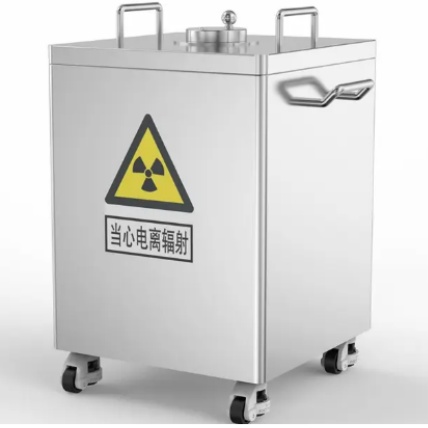
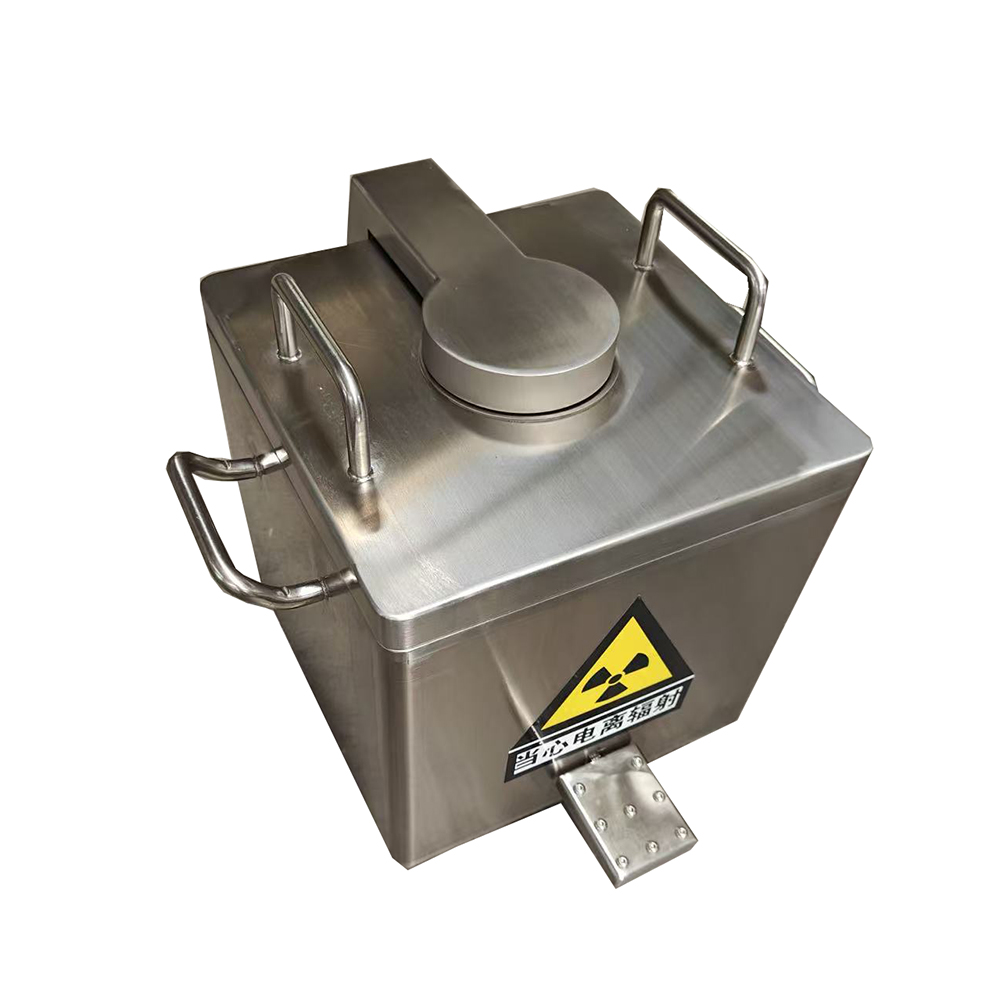
● Shielded containers for isotope transport
● Collimators for imaging systems
● Protective shielding blocks for therapy equipment
Selecting the correct device ensures both safety and workflow efficiency.
Although tungsten provides strong radiation protection, its high density can increase product weight. For handheld devices used frequently by technicians, ergonomics become extremely important. Modern tungsten alloy products address this challenge by optimizing material distribution to balance protection and usability.
For example, ST Shield’s Tungsten Alloy Syringe Shielding is engineered using high-density tungsten alloy with a density of approximately 18.5 g/cm³, allowing it to deliver strong radiation attenuation while remaining significantly lighter and more compact than comparable lead shielding products. The design can be up to 40% lighter than traditional lead syringe shields, reducing fatigue for healthcare workers who must perform repeated injections throughout the day.
Both tungsten and lead are widely used radiation shielding materials, but they offer different advantages depending on the application. The following comparison highlights key differences between these two materials.
Property | Tungsten Shielding | Lead Shielding |
Density | ~19.25 g/cm³ | ~11.34 g/cm³ |
Toxicity | Non-toxic | Toxic |
Thickness Needed | Thinner | Thicker |
Durability | Extremely strong | Softer metal |
Cost | Higher | Lower |
Tungsten is generally preferred for compact shielding devices where space and ergonomics are important. Lead, on the other hand, may still be used in large structural shielding installations such as walls or radiation barriers due to its lower cost and easier fabrication.
One of the most important practical uses of tungsten shielding is in medical injection procedures involving radioactive pharmaceuticals. During these procedures, healthcare professionals must handle syringes containing radioactive tracers, which can expose their hands to radiation.
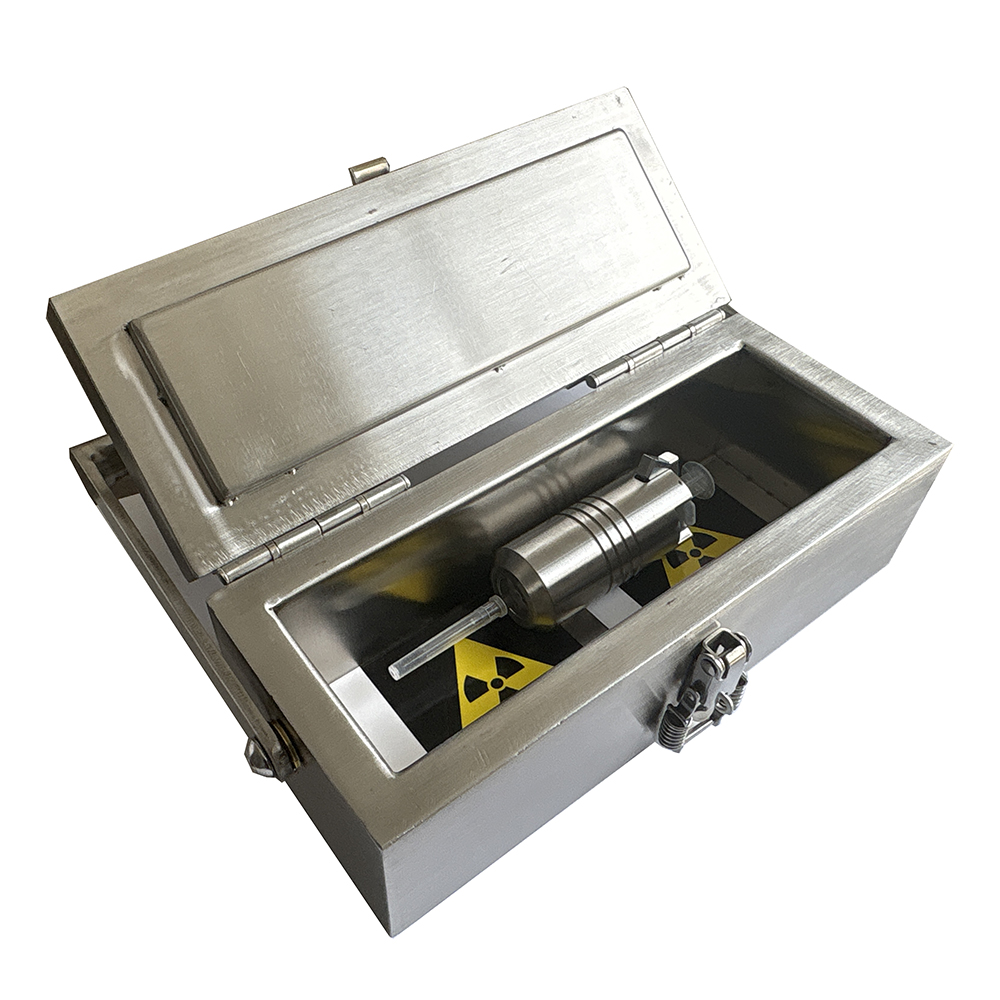
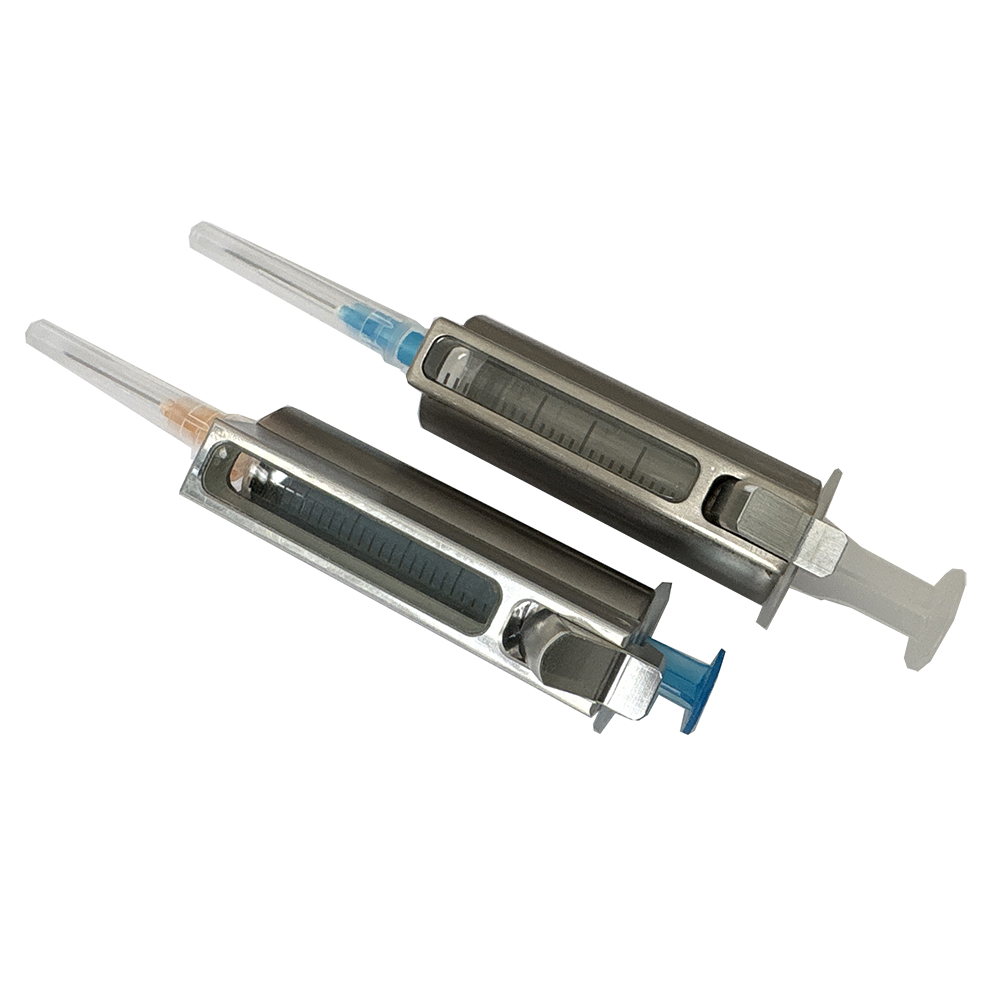
Tungsten Alloy Syringe Shielding provides a protective barrier around the syringe while still allowing the technician to administer the injection accurately. These devices are commonly used in:
● Nuclear medicine dose preparation rooms
● PET imaging facilities
● Radiopharmacy laboratories
● Diagnostic imaging departments
The shielding device typically includes a cylindrical cavity designed to fit standard syringe sizes. A radiation-shielding viewing window allows technicians to confirm the dosage while remaining protected from radiation exposure.
Modern syringe shielding devices incorporate several engineering features designed specifically for nuclear medicine environments. The ST Shield Tungsten Alloy Syringe Shielding system demonstrates how advanced materials and ergonomic design can improve both safety and usability.
Key features include:
Feature | Description |
High-density tungsten alloy | Density of approximately 18.5 g/cm³ for strong radiation attenuation |
Lightweight design | Up to 40% lighter than comparable lead shielding |
Precision syringe cavity | Fits standard syringe sizes from 1 ml to 10 ml |
Radiation-shielded viewing window | Acrylic window allows safe visual inspection of dose |
Corrosion-resistant finish | Protects device during repeated clinical use |
Lead-equivalent options | Available from 0.5 mm Pb to 2.0 mm Pb |
These design features allow medical staff to handle radiopharmaceutical injections safely while maintaining full control over dosage administration.
Facilities that handle radioactive materials should follow several best practices when selecting tungsten shielding devices.
First, conduct a detailed radiation safety assessment to determine exposure levels and shielding requirements. Second, select shielding equipment specifically designed for the intended application. Third, ensure that shielding devices meet relevant medical device quality standards and radiation protection certifications.
Finally, work with experienced manufacturers who specialize in radiation shielding technology. Reliable suppliers provide accurate shielding data, certified manufacturing processes, and customized product options for different clinical environments.
Choosing tungsten shielding improves safety. Its high density blocks radiation well. It also supports compact medical tools.Tungsten Alloy Syringe Shielding protects staff. It helps during dose preparation and injection.Liaocheng ST Technologies Co., Ltd. provides reliable solutions. Their tungsten shielding offers durability and precise protection.
A: Tungsten shielding protects staff from radiation; Tungsten Alloy Syringe Shielding is common in nuclear medicine.
A: Tungsten Alloy Syringe Shielding offers strong attenuation, compact size, and safer handling than lead.
A: Select Tungsten Alloy Syringe Shielding thickness based on isotope energy and radiation level.
A: In many cases, Tungsten Alloy Syringe Shielding is thinner, non-toxic, and more durable than lead.
A: Tungsten Alloy Syringe Shielding costs more than lead, but offers longer life and compact protection.