Views: 0 Author: Site Editor Publish Time: 2026-03-16 Origin: Site


Medical imaging saves lives daily. But radiation exposure still exists.A Lead Apron helps reduce this risk. It shields vital organs from scatter radiation.But how do you choose the right one? In this guide, you will learn key factors. We explain how to select the best Lead Apron.
A Lead Apron is a protective garment specifically designed to reduce radiation exposure by absorbing and attenuating ionizing radiation before it reaches the body. These garments typically contain layers of high-density shielding material such as pure lead or lead-equivalent composite metals embedded within flexible rubber or polymer layers, all enclosed by durable outer fabrics such as nylon or vinyl. The high atomic density of lead makes it highly effective at absorbing X-ray photons, meaning that when radiation strikes the apron, most of the energy is either absorbed or scattered away before it can penetrate the underlying tissue.
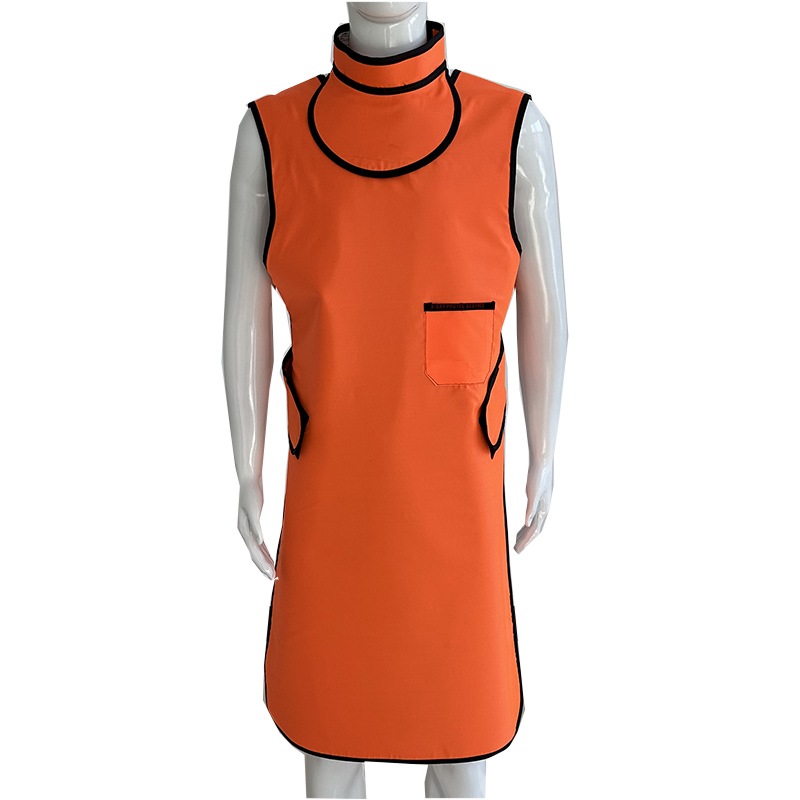
This process is known as radiation attenuation, and depending on the thickness of the shielding material used, a lead apron can block between approximately 90% and 99% of scattered radiation produced during diagnostic imaging procedures. In clinical practice, this protection significantly reduces cumulative radiation exposure for healthcare workers who may perform or assist with hundreds of imaging procedures over the course of a year. ST-Shield lead aprons are engineered using high-purity lead cores or advanced composite materials that provide consistent and reliable attenuation levels while maintaining flexibility and comfort during daily clinical use.
Lead aprons reduce radiation exposure but cannot completely eliminate radiation; proper shielding must be combined with safe operating procedures.
Lead aprons are used in a wide range of medical and industrial environments where radiation equipment is present and where staff or patients may be exposed to scatter radiation during imaging procedures. In healthcare settings, these protective garments are considered essential personal protective equipment because they help maintain a safe working environment while allowing clinicians to perform diagnostic or interventional procedures without interruption.
Radiology departments rely heavily on imaging equipment such as digital radiography (DR), computed tomography (CT), and fluoroscopy systems. During imaging procedures, radiologic technologists, nurses, and physicians often remain in close proximity to radiation sources, making lead aprons necessary to minimize radiation exposure. In these settings, aprons may be worn for extended periods during busy imaging schedules.
Dental X-ray imaging exposes patients to small amounts of radiation, particularly during intraoral and panoramic scans. To protect sensitive organs such as the thyroid and chest, patients typically wear lightweight lead aprons during dental imaging procedures.
In interventional cardiology, orthopedics, neurology, and minimally invasive surgery, fluoroscopy may operate continuously for long periods of time. Surgeons and interventional specialists must therefore wear radiation protection garments throughout the procedure to prevent long-term radiation exposure.
Technicians working in nuclear medicine departments often handle radioactive isotopes or imaging equipment that produces radiation, making protective clothing such as lead aprons an important safety measure.
Portable imaging equipment is increasingly used in emergency departments and intensive care units. In these environments, lightweight and flexible protective aprons allow staff to move quickly while still maintaining radiation protection.
ST-Shield lead aprons are designed specifically for these demanding environments, combining reliable radiation shielding with ergonomic comfort for daily clinical use.
Radiation safety guidelines in healthcare are based on the widely accepted ALARA principle, which stands for As Low As Reasonably Achievable. This principle encourages minimizing radiation exposure by controlling three main factors: exposure time, distance from the radiation source, and protective shielding. While reducing exposure time and increasing distance can significantly lower radiation dose, shielding equipment such as lead aprons provides an additional layer of protection that remains effective even when proximity to radiation equipment cannot be avoided.
Even relatively low levels of scattered radiation can accumulate over months or years of clinical work, potentially increasing long-term health risks. By incorporating protective garments into daily clinical practice, healthcare facilities ensure that occupational radiation exposure remains within internationally accepted safety limits.
Hospitals should combine lead aprons with protective barriers and radiation shields to create a comprehensive safety system.
Radiation exposure primarily affects organs that contain rapidly dividing cells, making certain areas of the body more sensitive than others. A properly designed Lead Apron protects many of these critical areas by providing shielding coverage across the torso and abdomen.
Important organs protected by lead aprons include:
● Chest and lungs
● Digestive organs and abdomen
● Reproductive organs
● Bone marrow located in the pelvis and spine
Additional protective accessories may also shield the thyroid gland, head, and arms depending on the type of procedure being performed. ST-Shield designs its radiation protection garments with full torso coverage and ergonomic weight distribution to ensure that healthcare workers receive consistent protection without sacrificing comfort.
Selecting the appropriate Lead Apron requires evaluating several factors that influence both radiation protection performance and daily usability in clinical environments.
Different medical procedures produce different levels of radiation exposure, meaning that the protection requirements for staff members may vary depending on their role and working environment. For example, dental imaging typically involves lower radiation levels compared to fluoroscopy-guided procedures performed in interventional cardiology suites. Understanding the level of exposure associated with each clinical environment helps determine the appropriate shielding thickness and apron design.
Clinical Environment | Typical Radiation Exposure | Suggested Apron Type |
Dental imaging room | Low | Lightweight apron |
Diagnostic radiology | Moderate | Standard apron |
Interventional cardiology | High | Heavy shielding apron |
Staff involved in fluoroscopy or interventional procedures should prioritize higher lead equivalency protection levels.
Lead equivalency refers to the thickness of shielding material used in a radiation protection garment and indicates how effectively the apron attenuates X-ray radiation. In general, thicker lead layers provide greater protection but also increase the overall weight of the garment.
Lead Equivalency | Approximate Protection | Typical Application |
0.25 mm | Blocks ~90% scatter radiation | Dental imaging |
0.35 mm | Blocks ~95% scatter radiation | General radiology |
0.50 mm | Blocks ~99% scatter radiation | Interventional procedures |
ST-Shield provides multiple lead equivalency options to match different clinical requirements while maintaining consistent radiation shielding performance.
The frequency with which staff members wear radiation protection garments can significantly influence purchasing decisions. In high-volume imaging departments where healthcare professionals may wear aprons for several hours each day, comfort and ergonomic design become just as important as radiation shielding performance. Aprons designed with optimized weight distribution, padded shoulder support, and soft inner lining help reduce fatigue during long procedures.
Radiation intensity decreases rapidly as distance from the source increases, which means that workers positioned farther away from imaging equipment may require less shielding compared to those standing directly beside the radiation source. For example, staff members standing less than half a meter from a fluoroscopy unit may require a 0.50 mm lead apron, while staff working farther away may safely use lighter 0.35 mm protection.
The inverse square law explains why radiation intensity decreases dramatically as distance increases.
The weight of a lead apron can significantly influence comfort and mobility during procedures. Traditional aprons may weigh between 2 and 7 kilograms, depending on thickness and coverage area. While heavier garments offer greater shielding, excessive weight can contribute to neck and shoulder strain during long procedures.
ST-Shield lead aprons are engineered with ergonomic weight distribution and lightweight composite materials that reduce fatigue while maintaining reliable radiation protection.
Radiation protection garments can be manufactured using different types of shielding materials, each offering distinct advantages depending on the clinical application.
Traditional aprons contain layers of pure lead, which has been used for radiation shielding for decades due to its excellent attenuation properties. These garments are generally more affordable and provide reliable protection, but they tend to be heavier than modern composite designs.
Newer aprons often use composite shielding materials such as tungsten, bismuth, or antimony alloys that mimic the radiation attenuation properties of lead while reducing overall garment weight. These materials can decrease apron weight by up to 35–40 percent, making them particularly beneficial for clinicians who wear radiation protection garments for extended periods.
Different apron designs provide varying levels of protection and mobility depending on the type of procedure being performed.
Frontal protection aprons cover the front of the body and are suitable for procedures where the operator faces the radiation source.
Full wrap aprons provide protection on both the front and back of the body, offering maximum shielding for environments with higher radiation exposure.
Two-piece vest and skirt designs distribute weight more evenly across the body, reducing shoulder strain and improving comfort during long procedures. ST-Shield offers vest-skirt configurations specifically designed to enhance ergonomic comfort.
Additional protective accessories can further enhance radiation safety in clinical environments.
● Thyroid collars protect the thyroid gland from scatter radiation.
● Lead caps shield the head during high-exposure procedures.
● Protective sleeves reduce radiation exposure to the arms.
● Support belts help distribute apron weight and reduce lower back strain.
Radiation protection garments must be inspected regularly to ensure they continue to provide adequate shielding. Hospitals typically perform annual integrity testing using fluoroscopic imaging to detect cracks or defects in the shielding layer.
Lead aprons generally last between three and five years depending on usage and storage conditions. Proper storage, such as hanging the garment on a dedicated apron rack, helps prevent cracks in the lead lining and extends product lifespan.
Never fold lead aprons during storage because creasing may damage the shielding layer.
Choosing the right Lead Apron requires careful evaluation.Consider exposure level, material, thickness, and comfort.Proper design improves safety and daily mobility.Liaocheng ST Technologies Co., Ltd. provides reliable lead aprons.Their products offer strong shielding, durability, and clinical comfort.
A: A Lead Apron protects the body from scatter radiation during X-ray or CT imaging.
A: Choose a Lead Apron thickness based on exposure level. High-radiation procedures often need 0.50 mm protection.
A: A Lead Apron reduces radiation exposure and protects sensitive organs during imaging procedures.
A: Lead Apron prices vary by material, thickness, and design used in clinical environments.
A: A Lead Apron usually lasts three to five years with proper inspection and storage.