Views: 0 Author: Site Editor Publish Time: 2026-03-16 Origin: Site


PET imaging uses powerful radioactive tracers. Safety becomes a serious concern.So, are PET cabinets truly safe? Hospitals rely on shielded equipment.A PET Unit Dose Cabinet helps reduce exposure. It protects staff during dose preparation.In this guide, you will learn how a PET Unit Dose Cabinet improves safety.
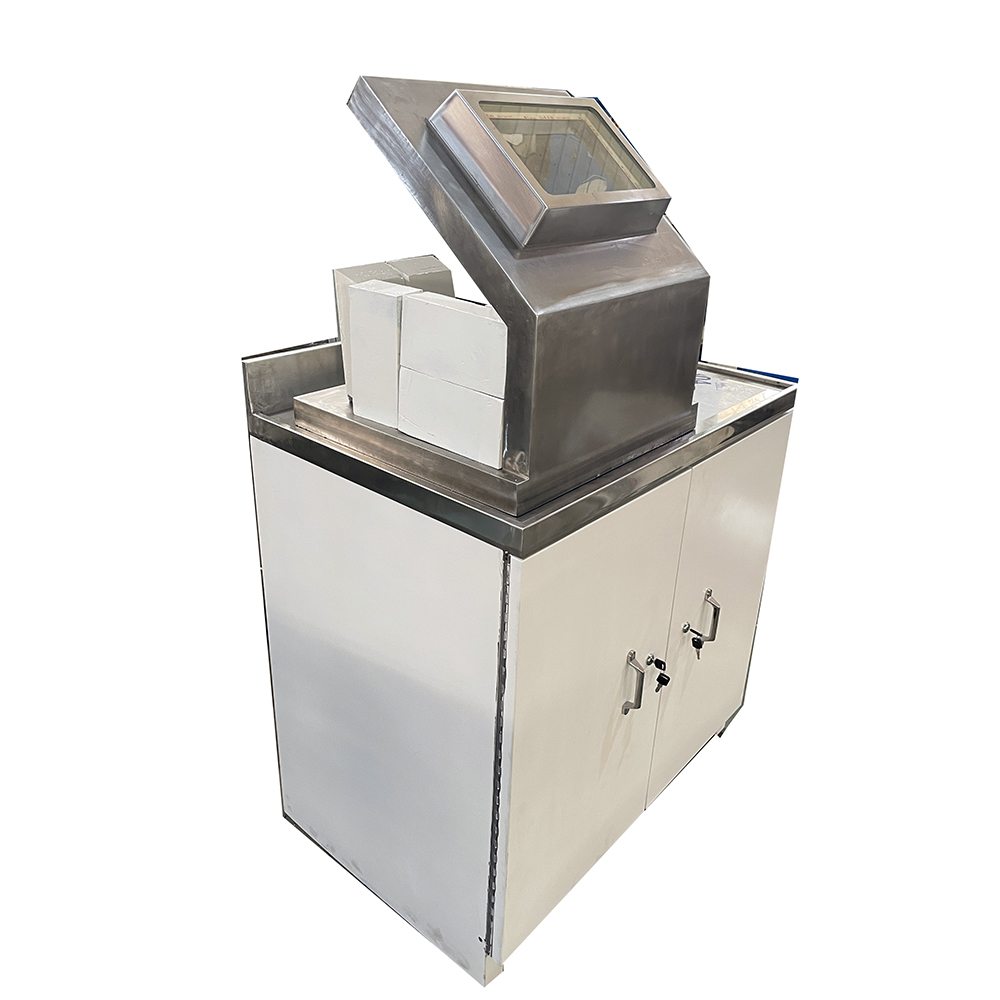
The most direct answer is that PET Unit Dose Cabinets are engineered to reduce radiation exposure to safe levels when used correctly within a properly shielded nuclear medicine environment. These cabinets form a critical component of radiation protection systems in PET hot labs and radiopharmacy workspaces. However, their safety performance depends on the quality of the cabinet design, the amount of lead shielding used, and how well the cabinet is integrated with the surrounding laboratory infrastructure.
In nuclear medicine environments, the concept of radiation safety does not mean that radiation is completely eliminated. Instead, radiation protection systems are designed to reduce radiation exposure to levels that fall within internationally accepted safety limits. Organizations such as the International Commission on Radiological Protection (ICRP) and national regulatory agencies establish exposure thresholds that medical facilities must follow. Equipment like the PET Unit Dose Cabinet is therefore designed to attenuate radiation by absorbing and weakening radioactive emissions before they reach operators or surrounding work areas.
A PET Unit Dose Cabinet reduces exposure by placing a dense shielding barrier between radioactive sources and medical personnel. During radiopharmaceutical preparation, isotopes are often handled at close range, which can increase exposure risk. The cabinet's shielding materials absorb a large portion of the emitted radiation, significantly lowering radiation levels reaching the operator. In addition, the cabinet provides a defined workspace where radioactive materials can be managed in an organized and controlled manner.
Lead is widely recognized as one of the most effective radiation shielding materials due to its high density and atomic number. These physical properties allow lead to absorb gamma radiation efficiently, making it ideal for use in nuclear medicine shielding equipment. Most PET Unit Dose Cabinets incorporate lead-lined panels throughout the cabinet structure, ensuring that radiation emitted from radioactive vials or syringes is significantly attenuated before reaching surrounding areas.
Radiation safety is not determined solely by shielding thickness; cabinet design also plays a crucial role. Properly engineered PET cabinets include overlapping shielding layers, enclosed storage compartments, and carefully positioned work surfaces that limit potential radiation escape pathways. Cabinets that combine shielding with ergonomic workflow design allow technicians to handle radioactive materials safely while maintaining efficiency.
Even the best shielding cabinet cannot provide optimal protection if the surrounding laboratory environment lacks proper radiation shielding. PET cabinets should be installed in hot labs that already incorporate shielded walls, floors, and ceilings. When integrated into a well-designed radiation protection system, the cabinet acts as an additional protective barrier that reduces occupational exposure.
To ensure safety performance, PET cabinets must undergo radiation attenuation testing before being used in medical environments. These tests measure how effectively the cabinet reduces radiation leakage and confirm compliance with safety regulations.
In high-activity environments where large quantities of PET isotopes are handled, additional shielding equipment may be necessary. For example, L-block shields, lead syringe shields, and shielded transport containers may be used alongside the cabinet to further reduce radiation exposure.
A PET Unit Dose Cabinet functions as a compact radiation-shielded workstation designed specifically for PET radiopharmaceutical handling. It combines preparation space, shielding barriers, and storage compartments into a single integrated unit that supports safe workflow in nuclear medicine laboratories.
Most PET cabinets feature six-sided lead shielding that covers the sides, back, top, and bottom of the cabinet. This design ensures that radiation emitted from stored radioactive materials is absorbed in multiple directions, significantly reducing radiation levels outside the cabinet.
The cabinet typically includes a shielded work surface on the top section, which provides a dedicated preparation area for handling radiopharmaceutical doses. Because this surface is located above a shielded storage compartment, radioactive materials remain protected during both preparation and storage stages.
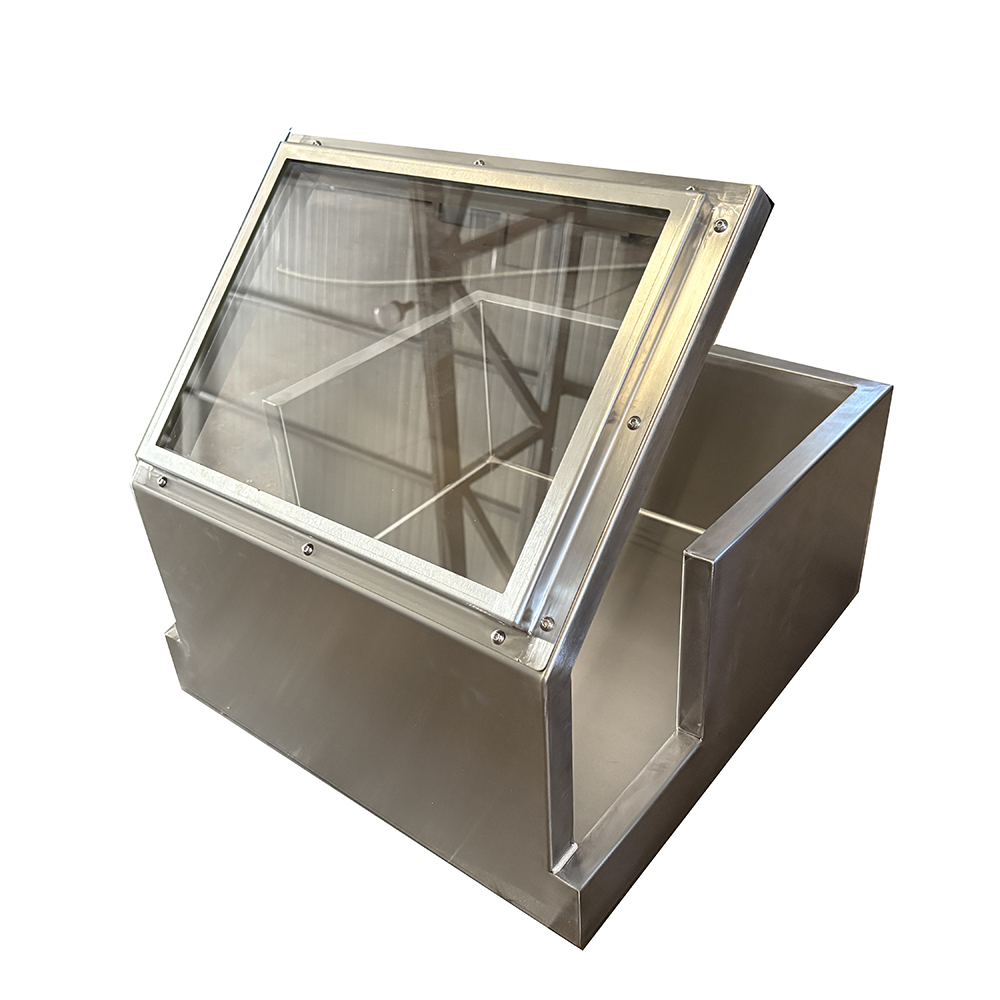
Many cabinets incorporate L-block shields made from lead and radiation-resistant glass. These shields allow operators to visually monitor their work while remaining protected from direct radiation exposure.
Below the work surface, the cabinet often includes fully shielded storage compartments where radioactive vials, syringes, or waste materials can be stored safely. This integrated design allows technicians to move materials between preparation and storage zones without leaving the protected workspace.
Cabinet Feature | Radiation Safety Function |
Lead-lined panels | Absorb gamma radiation |
Shielded work surface | Protect operator during dose preparation |
L-block shield | Block direct radiation exposure |
Shielded storage cabinet | Isolate radioactive materials |
A well-designed PET cabinet includes several integrated safety components that work together to reduce radiation exposure and improve workflow efficiency.
The L-block shield acts as a transparent radiation barrier positioned between the operator and the radioactive source. Shield caves provide additional protective shielding when handling high-activity materials.
Dose calibrators are used to measure radioactive dose levels before administration to patients. Integrating shielding for these devices within the cabinet allows technicians to perform accurate measurements without unnecessary radiation exposure.
Handling radioactive syringes requires secure disposal systems. Shielded sharps containers allow safe disposal while maintaining radiation shielding.
Cabinet doors are typically reinforced with lead panels and secure locking systems to ensure radioactive materials remain safely contained.
A PET Unit Dose Cabinet is widely used in medical and research environments where radioactive isotopes must be handled, stored, or prepared safely. Because PET radiopharmaceuticals emit high-energy gamma radiation, technicians must work within controlled areas that include specialized shielding equipment. These cabinets provide a compact workstation that integrates radiation shielding, preparation space, and protected storage compartments, allowing staff to safely manage radioactive materials during routine laboratory operations. Their design helps reduce direct radiation exposure while supporting efficient workflows in environments where radioactive tracers are used daily.
PET hot labs are specialized laboratories where radiopharmaceutical doses are prepared before being administered to patients. Technicians must handle radioactive isotopes carefully during dose preparation, measurement, and syringe filling procedures. A PET Unit Dose Cabinet provides a shielded working surface and protected storage area so technicians can perform these tasks safely. By positioning radioactive materials within a lead-lined enclosure, the cabinet significantly reduces radiation exposure to laboratory personnel while maintaining a controlled workflow environment.
Hospitals commonly install PET cabinets in nuclear medicine departments where diagnostic imaging procedures rely on radioactive tracers. In these settings, medical staff prepare and handle PET isotopes on a regular basis. The cabinet allows healthcare professionals to calibrate doses, prepare syringes, and temporarily store radioactive materials while remaining protected from unnecessary radiation exposure. Integrating a PET cabinet into nuclear medicine workflows also improves operational safety and supports compliance with radiation protection standards.
Radiopharmacies are responsible for producing and distributing radioactive medications used in diagnostic imaging and therapeutic treatments. These facilities require specialized workstations where radioactive materials can be prepared safely before distribution to hospitals and imaging centers. A PET Unit Dose Cabinet offers a shielded workspace where pharmacists can perform tasks such as dose preparation, quality verification, and packaging of radiopharmaceuticals. The cabinet's integrated shielding structure helps ensure that radiation exposure levels remain controlled during these processes.
Research laboratories that use radioactive tracers for biological, chemical, or medical studies also require reliable radiation shielding systems. Scientists working with isotopes often need to measure, store, and manipulate radioactive samples during experiments. Installing a PET Unit Dose Cabinet in these laboratories allows researchers to handle radioactive materials in a controlled environment while minimizing exposure risks. This helps maintain safe laboratory conditions and ensures compliance with radiation safety guidelines.
Installing a PET Unit Dose Cabinet offers several important advantages for nuclear medicine departments, radiopharmacies, and research laboratories. These cabinets are designed not only to improve radiation safety but also to enhance workflow efficiency and laboratory organization. By combining shielding, storage, and preparation functions into a single workstation, PET cabinets allow technicians to handle radiopharmaceutical doses more safely and efficiently.
One of the primary benefits of a PET Unit Dose Cabinet is its ability to reduce occupational radiation exposure for technicians and pharmacists. The cabinet’s lead-lined structure absorbs and attenuates gamma radiation emitted by PET isotopes, significantly lowering radiation levels outside the cabinet. This protective barrier helps ensure that healthcare workers can perform necessary tasks while maintaining exposure levels within acceptable safety limits.
PET cabinets improve laboratory workflow by combining multiple functions into one workstation. Instead of moving radioactive materials between separate preparation tables, storage areas, and calibration stations, technicians can perform these tasks within the same shielded environment. This streamlined workflow not only improves efficiency but also reduces the need to transport radioactive materials across the laboratory, which further minimizes exposure risks.
Many nuclear medicine laboratories operate in environments where available floor space is limited. PET cabinets are designed with a compact footprint that integrates preparation surfaces and storage compartments into a single structure. This space-efficient design allows laboratories to maintain proper radiation shielding without requiring large amounts of additional equipment or workspace.
Using certified radiation shielding equipment is essential for meeting national and international radiation protection standards. A PET Unit Dose Cabinet helps facilities comply with regulatory guidelines by providing verified shielding performance and secure containment for radioactive materials. This compliance is critical for hospitals and research institutions that must demonstrate adherence to strict radiation safety protocols.
Benefit | Operational Impact |
Radiation shielding | Protects technicians and pharmacists |
Integrated workstation | Improves preparation workflow |
Compact cabinet design | Saves valuable laboratory space |
Regulatory compliance | Supports radiation safety standards |
Although a PET Unit Dose Cabinet is an important radiation protection tool, it is often used together with other shielding equipment in nuclear medicine laboratories. Each type of shielding device serves a different function within the overall radiation protection strategy, and understanding these differences helps facilities choose the right combination of equipment for their workflow.
L-block workstations are commonly used in nuclear medicine laboratories to provide a protective barrier between the operator and radioactive materials during manual handling tasks. These workstations typically include a lead base and a transparent radiation-shielding glass panel. While L-block systems provide effective shielding during certain tasks, they usually do not include integrated storage compartments. In contrast, a PET Unit Dose Cabinet combines both shielding and storage capabilities, allowing technicians to prepare and store radioactive materials within the same protected environment.
Lead storage containers are designed primarily for storing and transporting radioactive sources rather than actively preparing radiopharmaceutical doses. These containers provide strong radiation shielding but lack dedicated workspace for dose preparation or measurement. A PET Unit Dose Cabinet fills this gap by offering a functional workstation where preparation, calibration, and temporary storage can occur safely.
Shielded isotope drawers are often used to store radioactive materials securely within laboratory furniture. While they provide effective containment for stored isotopes, they do not offer a shielded preparation area for handling radioactive materials. PET cabinets combine both functions, making them more versatile for environments where frequent preparation of PET doses is required.
In many nuclear medicine facilities, multiple radiation shielding devices are used together to create layered protection. For example, a laboratory might use a PET Unit Dose Cabinet for preparation tasks, L-block shields for additional operator protection, and lead containers for safe transport of radioactive materials. Combining these systems allows facilities to reduce radiation exposure while maintaining efficient laboratory operations.
Selecting the appropriate PET Unit Dose Cabinet requires careful evaluation of radiation safety requirements, laboratory layout, and workflow needs. Because each nuclear medicine facility may have different operational requirements, choosing the correct cabinet design is essential for achieving both safety and efficiency.
The amount of lead shielding used in a PET cabinet must match the radiation energy levels of the isotopes being handled. PET radiopharmaceuticals emit high-energy gamma radiation, so cabinets must incorporate sufficient shielding thickness to reduce radiation exposure effectively. Radiation safety specialists often calculate shielding requirements based on isotope activity levels and expected usage.
Facilities should also consider how much workspace and storage capacity is required for daily operations. Laboratories that prepare large numbers of radiopharmaceutical doses may need cabinets with larger work surfaces or additional storage compartments to accommodate their workflow.
Many nuclear medicine laboratories use dose calibrators to measure radioactive activity before administering doses to patients. When selecting a PET cabinet, it is important to ensure that the design can accommodate these instruments and integrate them into the workflow without compromising radiation protection.
Laboratories often have unique layouts or space limitations that require customized equipment configurations. Some manufacturers offer customized PET Unit Dose Cabinets designed to match specific laboratory dimensions or operational requirements. Custom cabinets allow facilities to maintain optimal radiation protection while adapting equipment to available workspace.
Even the most advanced shielding equipment must be used correctly to maintain effective radiation protection. Nuclear medicine departments should establish clear operational procedures and training programs to ensure that staff members use PET cabinets safely and consistently.
The ALARA principle—“As Low As Reasonably Achievable”—is a fundamental concept in radiation safety. It emphasizes minimizing radiation exposure by optimizing shielding, reducing exposure time, and increasing distance from radiation sources whenever possible. PET cabinets help support this principle by providing shielding barriers that reduce direct exposure during radiopharmaceutical preparation.
Proper training is essential for technicians who work with radioactive materials. Staff should understand how to handle isotopes safely, operate shielding equipment correctly, and follow established radiation protection procedures.
Radiation monitoring devices should be used regularly to measure exposure levels around the cabinet and within the laboratory. Monitoring ensures that shielding systems continue to perform as expected and helps identify potential safety concerns early.
Routine inspections help ensure that cabinet shielding remains intact and that mechanical components such as doors, hinges, and storage compartments operate properly. Preventive maintenance helps maintain long-term reliability and safety.
PET radiopharmaceuticals emit strong radiation. Shielding equipment becomes essential.A PET Unit Dose Cabinet helps reduce exposure. It protects staff during dose preparation.Shielded workspaces improve daily workflow. They support safe isotope handling.Products from Liaocheng ST Technologies Co., Ltd. provide reliable shielding and durable design.
A: Yes. A PET Unit Dose Cabinet uses lead shielding to reduce exposure.
A: A PET Unit Dose Cabinet stores and prepares radioactive doses safely.
A: A PET Unit Dose Cabinet protects staff from PET radiation.
A: Cost depends on size and shielding of the PET Unit Dose Cabinet.
A: A PET Unit Dose Cabinet adds storage and full shielding.