Views: 0 Author: Site Editor Publish Time: 2026-02-16 Origin: Site


People ask “What is Lead Sheet used for?” because it shows up everywhere. Hospitals, labs, factories, even sound-control builds. It is heavy, flexible, and easy to shape. So it solves problems other materials struggle to handle. If you are sourcing Lead Sheet, this guide walks through meanings, properties, real uses, specs, selection, installation, safety, plus buying tips.
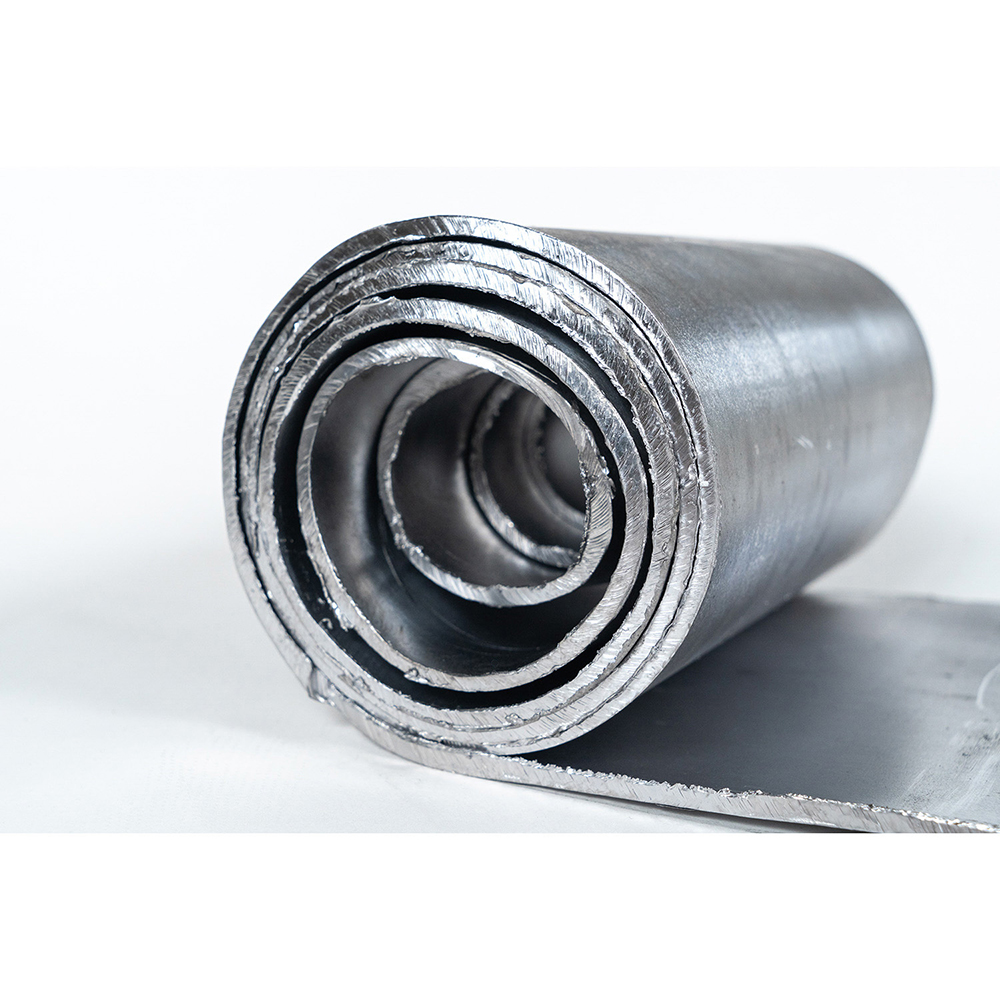
In this article, Lead Sheet means sheet metal made from lead. It often arrives as flat sheets or rolled coils. People choose it for radiation shielding, sound damping, lining, and sealing jobs.
You may also see similar terms. They usually point to form, thickness, or purity.
Lead Sheet: flat lead material, sold as sheets or coils.
Sheet lead: same idea, just a casual phrase.
Rolled lead: lead formed by rolling, often delivered in coils.
Lead plate: thicker stock, less flexible, more rigid.
Pure lead sheet: higher-purity option, common in shielding builds.
| Search term people use | What they usually want | Fast, simple answer |
|---|---|---|
| Lead Sheet | Metal lead sheet material | Dense, formable sheet used for shielding and protection |
| Lead sheet meaning | Definition | Metal lead sheet, not a song chart |
| Lead Sheet used for | Applications | Radiation shielding, sound control, lining, construction detailing |
| Lead sheet in music | Music chart | Melody, chords, sometimes lyrics on one page |
One more clarification. A “lead sheet” in music is a chart. Same words, different topic. Here, we focus on metal Lead Sheet.
Lead seems basic. Yet its traits are practical. Those traits explain why Lead Sheet stays popular.
Lead is heavy for its size. High density helps reduce radiation passing through a barrier. It also adds mass for noise control assemblies.
High density, strong attenuation effect.
Compact shielding in tight footprints.
Useful mass loading for acoustic builds.
It bends. It folds. It hugs corners and penetrations. Installers like it for retrofits, tricky rooms, odd geometry.
Easy shaping on site using common tools.
Fits around pipes, ducts, conduit runs.
Good choice for complex frames and transitions.
Lead performs well in many protected assemblies. It can handle long service cycles when it sits inside walls or enclosures. Exposure conditions still matter, so we check the environment early.
Mass helps reduce sound transmission. Lead adds mass fast, even at small thickness. So it often appears in layered partitions, doors, equipment skins.
| Property | Why it matters | Typical result |
|---|---|---|
| High density | Blocks radiation, adds mass | Efficient shielding, improved sound control |
| Malleable | Conforms to complex geometry | Cleaner corners, better coverage continuity |
| Stable in many assemblies | Supports long service life | Less frequent replacement |
| Fabrication-friendly | Easy cutting and forming | Faster installs, simpler adjustments |
Lead Sheet use cases cluster around shielding, sound control, and specialty protection. Let’s walk through the big ones, plus what people usually ask on each.
Clinics and hospitals use lead to keep radiation in controlled rooms. It often sits behind finished surfaces. So you see clean walls, yet shielding remains inside.
X-ray rooms: walls, doors, control booths, ceilings, floors.
Dental imaging: smaller rooms, compact layouts.
Vet clinics: similar needs, different room flow.
Most teams follow a predictable workflow. It keeps the build steady.
Start from a shielding plan or engineering requirement.
Select thickness or lead equivalence per the plan.
Plan seams, overlaps, and penetrations.
Fabricate sheets or coils to match drawings.
Install, then verify coverage before closing walls.
Weak points repeat on almost every job. We watch them closely.
Door frames, vision panels, pass-throughs.
Electrical boxes, switches, conduit runs.
Duct penetrations, ceiling transitions, corners.
Industrial radiography uses energetic sources. Shielding often needs flexible coverage in changing layouts. Lead sheet helps form local barriers, plus controlled zones.
Inspection bays and test cells.
Local shields around common source paths.
Temporary barriers for scheduled work.
Movement matters here. People move. Equipment moves. We plan for the real workflow, then place shielding where scatter can travel.
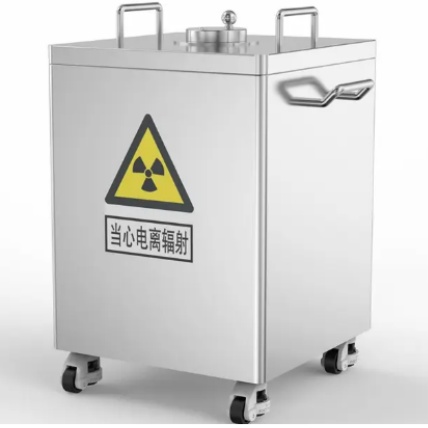
Labs store sources or handle isotopes. Lead sheet can line cabinets and small enclosures. It also supports localized shielding panels near work surfaces.
Shielded storage boxes and drawers.
Enclosure add-on panels for hot spots.
Benchtop shielding panels for task areas.
Some building projects use lead sheet for flashing and complex transitions. It forms around odd corners and penetrations. Heritage work uses it often, depending on local practice.
Roof penetrations, parapet transitions.
Masonry interfaces and specialty joints.
Restoration work needing traditional materials.
Sound control often needs mass. Lead sheet adds mass fast. It can sit inside layered walls, doors, floors, and equipment panels.
Mechanical rooms and generator enclosures.
Studio partitions and specialty doors.
Duct noise control layers in wrap assemblies.
| Use area | Why Lead Sheet fits | Where it goes |
|---|---|---|
| Medical imaging | Efficient radiation attenuation | Walls, doors, frames, control areas |
| Industrial NDT | Flexible barriers for changing layouts | Cells, local shields, temporary zones |
| Labs and research | Compact shielding in small enclosures | Cabinets, containers, panels |
| Sound control | High mass in thin layers | Partitions, doors, equipment skins |
| Construction details | Easy forming around complex joints | Flashing, penetrations, transitions |
If you want product examples for shielding builds, start here: Lead Sheet.
Not all Lead Sheet is identical. Specs change handling, fit, and performance. So we focus on the levers buyers control.
Pure lead tends to feel softer, easier to form. Alloyed lead can add stiffness. Many shielding projects prefer high-purity stock, especially sensitive environments.
For higher purity options, see Pure Lead Sheet.
For composite wall systems, see Lead Sheet + Gypsum Board.
Form factor affects seams and install speed. It also affects waste. We pick it based on the job site realities.
Coils: fewer seams on long runs, good for wraps.
Sheets: easier handling in tight rooms.
Plate: thicker, more rigid assemblies.
Thickness drives weight and shielding effect. In radiation work, plans often call out “mm Pb” or lead equivalence. It points to performance level, then you choose material thickness to match the requirement.
| Spec you will see | What it controls | What to confirm before purchase |
|---|---|---|
| Thickness | Shielding, mass, handling | Tolerance, flatness, target lead equivalence |
| Composition | Formability, consistency | Certs, traceability, batch ID |
| Sheet size or coil width | Seams, install speed | Cut-to-size options, roll length |
| Surface condition | Lamination and bonding behavior | Protective film, finish notes |
Healthcare builds often need documentation. Industrial sites may ask too. Request it early. It keeps approvals moving.
Mill certificate or material test report.
Batch identification for traceability.
Thickness verification notes for critical builds.
Selection gets easier when we start from the job, then narrow specs. It stays practical, it stays fast.
Radiation shielding → follow a shielding plan, then pick thickness and form factor.
Sound control → focus on mass, layering strategy, sealing gaps.
Construction detail → focus on forming needs and exposure conditions.
Lining or protection → check chemical, temperature, abrasion risks.
Define the performance goal. Shielding, sound, lining, sealing.
Confirm site constraints. Access, corners, penetrations.
Pick form factor. Sheets for handling, coils for long runs.
Plan fabrication. Cut-to-size, labels, pre-formed pieces.
Plan weight logistics. Receiving, lifting, storage.
Confirm documents needed. Certs, traceability, inspection support.
Most issues come from gaps and assumptions. So we remove both early.
Choosing thickness by guesswork, not project requirements.
Ignoring seams, overlaps, corners, frame transitions.
Forgetting penetrations. Outlets, ducts, conduits, pipes.
Underestimating weight during transport and install.
Installation can look easy, then a tiny gap ruins performance. So we plan the path, keep it clean, verify coverage before closing the wall.
Most projects use one of these approaches. Each brings trade-offs. Choose the path matching your wall build, access, schedule, inspection needs.
Concealed inside walls: lead sheet fastens to studs or substrate, then drywall covers it.
Laminated panels: lead bonded to board panels for faster placement.
Surface-applied layers: lead installed in cabinets or equipment skins, then finished.
| Method | Common projects | Main advantage | Main risk |
|---|---|---|---|
| Concealed inside walls | Clinics, imaging rooms | Clean finished look | Fixes get harder after drywall |
| Laminated panels | Fast-track builds | Speed, consistent coverage | Less flexible field edits |
| Surface-applied layers | Cabinets, containers | Easy access for inspection | Needs durable finishing |
Lead sheet works best as a continuous barrier. Radiation and noise both exploit weak points. Seams, corners, outlets, frames need extra care.
Overlap planning: no straight-through seam lines.
Corner folding: wrap corners to maintain coverage continuity.
Penetration detailing: pipe sleeves, conduit wraps, box shields.
Frames: treat door and window frames as high-priority zones.
Confirm orientation and piece labels match drawings.
Inspect every overlap. No gaps. No reversed seams.
Check every corner. Inside and outside corners matter.
Inspect penetrations. Boxes, ducts, pipes, conduits.
Verify transitions around doors and windows.
Photograph key areas before closing the wall.
Verification depends on the application. Some sites accept visual checks. Some require third-party verification. Either way, documentation keeps everything smooth.
Material certificates and batch records.
As-built notes for field changes.
Photo log for seams, penetrations, frames.
Room labels and shielding boundary notes.
Lead sheet is useful. It also needs respectful handling. Risk stays low when we focus on dust control and hygiene routines.
Lead risk rises when dust or residue reaches hands, then reaches mouth or nose. Cutting and drilling can create fine particles. So we keep the work area controlled, then clean using safe methods.
Avoid dry sweeping. It spreads residue.
Wash hands before eating or drinking.
Use dedicated work surfaces, then wipe them clean.
Use suitable PPE during cutting or drilling operations.
Many workplaces follow lead-control programs similar to OSHA guidance. You do not need to memorize every rule. You do need a plan covering housekeeping, hygiene, waste handling.
| Risk moment | Why it happens | Safer habit |
|---|---|---|
| Cutting or drilling | Particles and residue | Controlled cutting, PPE, planned cleanup |
| Dirty hands | Transfer to food, face, phone | Handwashing routine, glove use, wipe-down |
| Poor housekeeping | Residue on tools and surfaces | Wet wipe or HEPA cleaning methods |
Lead is heavy. It can dent. It can pick up grime. So we store it flat when possible, label it clearly, keep scraps contained.
Storage: dry area, stable pallets, edge protection.
Scrap control: collect offcuts fast, keep them bagged.
Cleanup: wipe surfaces, avoid blowing residue around.
Disposal: use licensed recycling or disposal routes per local rules.
Lead sheet pricing depends on thickness, form factor, fabrication, freight. Weight drives shipping cost. It often surprises first-time buyers, so we plan weight early.
Thickness: thicker means heavier, higher material cost.
Composition: higher purity often costs more.
Cut-to-size services: saves labor, adds fabrication cost.
Packaging and freight: heavy shipments need stronger packaging.
Documentation: certificates and traceability can add overhead.
A clear RFQ speeds quotes and reduces mistakes. List must-have specs first, then add the extras.
| RFQ field | Example | Why it matters |
|---|---|---|
| Thickness | 1.0 mm, 2.0 mm, custom | Controls shielding, weight, handling |
| Form | Sheets or coils | Seams and install speed |
| Sheet size / coil width | 1000×2000 mm, 1000 mm coil | Fit to layout, less waste |
| Quantity | Total area or total weight | Pricing, packaging, freight planning |
| Documentation | Mill cert, batch traceability | Compliance and approval flow |
Lead sheet shipments often need pallets, edge protection, secure wrap. Plan receiving space and lifting tools. Delivery day becomes easy.
Confirm packaging style: pallet, skid, crate, coil packing.
Confirm labeling: thickness, batch, piece count, net weight.
Confirm unloading: forklift access or liftgate service.
Can they provide certificates and traceability?
Do they offer cut-to-size or pre-formed parts?
What thickness tolerance can they guarantee?
How do they package heavy sheets to prevent damage?
What composition do they supply for this use case?
Need thin shielding material beyond sheet formats? Consider Lead Foil for certain specialized assemblies.
It is used as shielding inside walls, doors, frames. It helps keep radiation inside the controlled room. Coverage continuity matters a lot, so seams and penetrations get special care.
It depends on equipment, workload, room layout, adjacent occupancy. We do not guess. We follow a shielding plan from a qualified source, then match thickness or lead equivalence.
Yes, often. It adds mass in a thin layer. It can reduce transmission in layered assemblies. Gaps reduce results fast, so sealing and detailing stay important.
Yes. It is common for shielding builds. It stays protected and looks clean after finishing. Seam overlaps and penetration detailing matter more than people expect.
It describes shielding performance relative to a reference lead thickness. Plans may specify “mm Pb.” Treat it as the performance target, then choose material thickness matching the design requirement.
It can be safe if you avoid dust creation and follow hygiene rules. Avoid sanding or grinding. Wash hands after handling. Keep it away from food preparation areas.
It does not rust like steel. It can still react in certain environments. So we evaluate exposure conditions early, then confirm material suitability for the site.
You can cut it using appropriate tools and a controlled method. Avoid dust-producing steps. Wear gloves and suitable PPE. Bag scraps immediately. Clean surfaces using safe wipe methods.
Start from area and thickness. Convert thickness to volume, then multiply by lead density. Many suppliers can also provide weight-per-area values for each thickness.
Check seams, corners, penetrations before closing the wall. Keep photos and as-built notes. Some projects require third-party verification, so plan it early, not at the end.
Lead Sheet stays popular for good reasons. It shields efficiently. It forms easily. It adds mass for sound control. It also supports specialty protection roles across many industries.
If your project involves radiation shielding, start from a qualified plan. If it is sound control, focus on assembly design and gap control. Clear specs and careful installation keep results predictable.
Define the application goal first. Shielding, sound, lining, sealing.
Pick thickness and form factor, then plan seams and penetrations.
Prepare documentation needs early to avoid approval delays.
Explore radiation shielding use cases here: Applications. For product selection, start from the Lead Sheet category, then narrow specs based on your project.